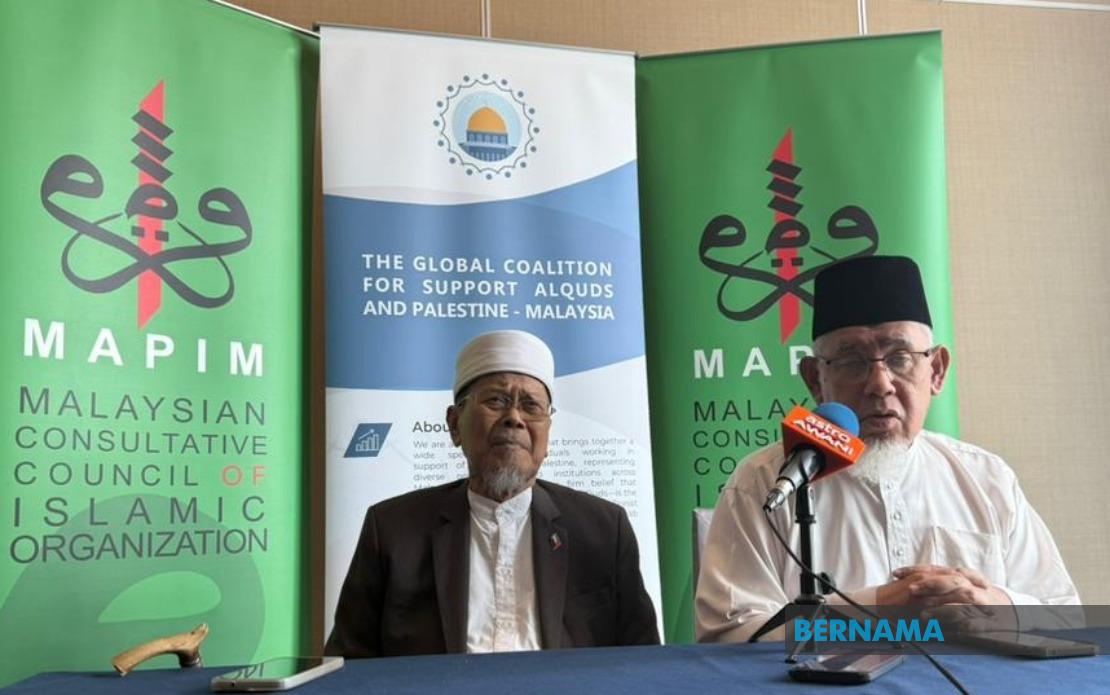
The Malaysian Consultative Council of Islamic Organisations (MAPIM) is mobilising a humanitarian response to the catastrophic flooding that has devastated Nepal, with plans to deploy relief workers beginning September 5. The intervention comes as regional authorities struggle to manage one of the most severe natural disasters to strike the Himalayan nation in recent years, with the death toll continuing to rise as rescue operations proceed across multiple affected zones.
MAPIM president Mohd Azmi Abdul Hamid announced the relief initiative at a media briefing in Ipoh on August 28, explaining that the organisation has already engaged with Nepal's diplomatic mission in Malaysia to gain clarity about conditions on the ground. The four-member initial deployment will focus on assessing humanitarian needs and coordinating supply chains in the most severely impacted communities, establishing the foundation for a sustained assistance programme.
Recognising that no single organisation can adequately address a disaster of this magnitude, MAPIM has adopted a collaborative framework involving multiple Malaysian NGOs and international partners. MyCare, a humanitarian organisation with established operations in the region, is joining the mission alongside two Nepal-based NGOs. This multi-stakeholder approach reflects a broader understanding within Malaysia's development community that effective disaster response requires pooling resources, expertise, and local knowledge to maximise operational efficiency and community trust.
The catastrophe unfolded on August 26 when torrential rainfall triggered an avalanche high in the Himalayan mountains, releasing an uncontrolled cascade of rock, ice, mud and debris that rushed through river valleys with tremendous force. The deluge swept through populated settlements and destroyed critical infrastructure located along the Annapurna Circuit, one of the world's most renowned trekking destinations and an economic lifeline for thousands of mountain communities. Official counts indicate at least 469 fatalities confirmed thus far, though more than 1,400 individuals remain unaccounted for, underscoring the scale of disruption and the challenges facing rescue teams operating in difficult terrain.
The international dimension adds complexity to relief efforts. Nearly 540 of the missing are foreign nationals, many of them trekkers who were navigating the popular route linking Kathmandu to Lhasa in Tibet when the disaster struck. This casualty profile has drawn international attention and complicated search operations, as multiple governments coordinate with Nepalese authorities to locate and assist their citizens. Malaysia has not been spared from this tragedy: the Ministry of Foreign Affairs reported that 57 Malaysians were unaccounted for as of late August 27, based on inquiries from families, colleagues and employers seeking information about missing relatives.
Mohd Azmi indicated that medical supplies represent the most pressing immediate need among affected populations. Flood disasters typically compromise healthcare infrastructure and create acute demand for trauma care, emergency medicines, and preventive health measures in the aftermath of mass casualty events. Beyond medical intervention, the distribution of food packs and basic necessities forms the second priority, addressing the fundamental needs of thousands displaced from their homes and livelihoods. The sequencing of assistance reflects humanitarian best practice: stabilise health outcomes first, then address basic survival requirements.
MATPIM intends to formally brief Prime Minister Datuk Seri Anwar Ibrahim about the mission's scope and timeline before deployment commences. This consultation with the nation's top political leadership signals the significance Malaysia's Islamic community organisations place on the response and ensures government coordination with NGO activities. Such alignment prevents duplication, facilitates customs clearance for relief supplies, and strengthens Malaysia's diplomatic standing with Nepal during its hour of crisis.
The broader context of this Malaysian response reflects the evolving role of Southeast Asian civil society in regional disaster management. As natural disasters become increasingly frequent and severe owing to climate variability, governments increasingly rely on rapid mobilisation of NGO networks to supplement official aid channels. Malaysia's Islamic organisations have developed particular expertise in humanitarian logistics and cross-border coordination, demonstrating capacity for effective intervention in neighbouring South Asian countries. This initiative positions MAPIM and allied organisations as key assets in Malaysia's soft power toolkit and demonstrates religious communities' commitment to universal humanitarian values transcending national and sectarian boundaries.
Mohd Azmi framed the mission as an expression of pan-Malaysian solidarity, emphasising that disaster relief transcends religious identity and reflects shared human values. By marshalling resources across diverse Malaysian NGOs and inviting international partners to participate, the response exemplifies how civil society can organise rapid, coordinated action in response to transnational crises. The September 5 deployment represents the initial phase; sustained engagement extending weeks or months will likely follow as communities navigate the longer reconstruction process.
For Malaysian readers, the humanitarian mission offers a tangible reminder of the region's interconnectedness and shared vulnerability to natural disasters. Nepal's tragedy underscores the climate-related risks facing mountainous and flood-prone areas throughout South and Southeast Asia, including regions within Malaysia itself. The disaster also highlights how Malaysian expertise, resources and goodwill can make meaningful differences in neighbouring countries, contributing to regional stability and goodwill that ultimately benefits all nations involved.

