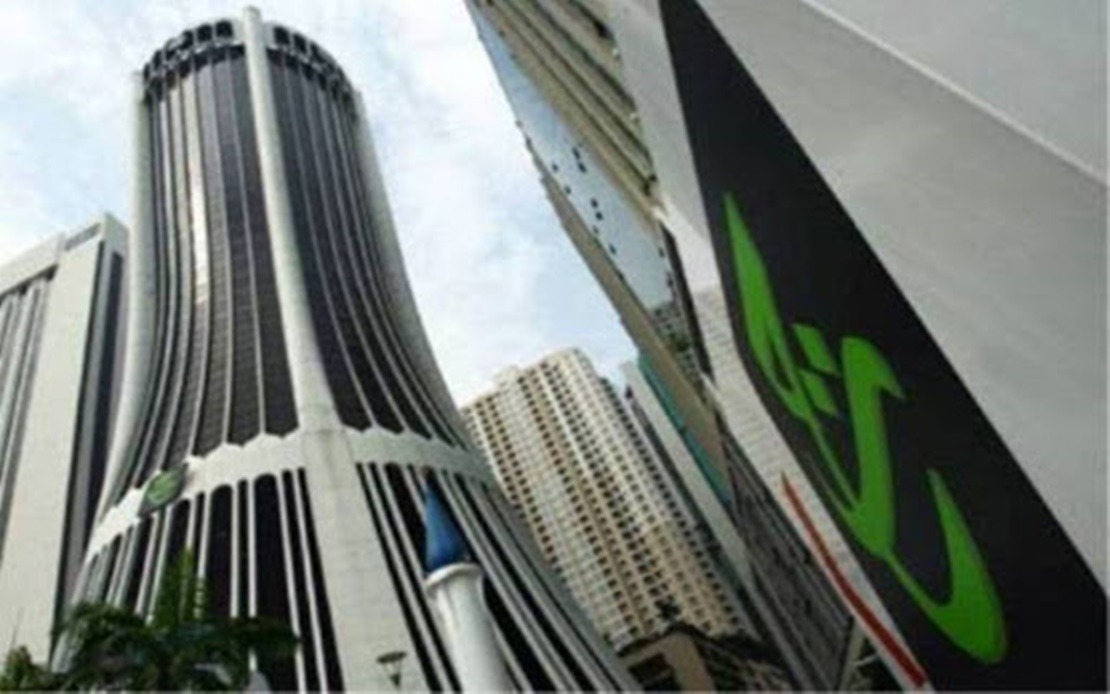
The Royal Commission of Inquiry's findings on Tabung Haji have exposed a troubling gap in the institution's asset valuation practices that experts say undermines its financial credibility. Of the RM4.6 billion in property assets that TH claimed to hold in 2017, only RM556 million was supported by valuations from qualified independent professionals. The remaining RM4.044 billion rested entirely on estimates produced by TH's own management—a practice that economists argue creates unacceptable risks for an institution entrusted with billions of ringgit in depositors' funds.
The distinction between independent professional valuation and internal management estimation may seem technical, but its consequences are potentially severe. Prof Emeritus Dr Barjoyai Bardai of Malaysia University of Science and Technology explains that when an organisation's own management team determines asset values, inherent conflicts of interest emerge. Management professionals have a natural incentive to present their institution's financial position in the most favorable light possible, making their estimates inherently prone to optimistic bias. This does not necessarily mean deliberate fraud occurred at TH, but it does mean the valuation process lacked the objectivity that independent assessors would provide.
The practical implications of inflated asset valuations ripple through TH's operations in ways that directly affect ordinary Malaysians. The institution uses what is called Realisable Asset Value, or RAV, to calculate how much it can distribute to depositors as hibah, or dividends. When properties and investments are valued higher than their true market worth, the RAV appears stronger than it actually is. This can trigger dividend payments that exceed what the institution can genuinely afford, creating a dangerous illusion of financial health while depleting reserves in ways that ultimately threaten the security of depositors' savings. According to Barjoyai, TH's management should have adopted far more conservative valuation standards and subjected high-value properties to independent assessment using consistent methodologies backed by clear market evidence.
The governance failures identified by the RCI extend beyond simple valuation practices. TH's board of directors and audit committee bear responsibility for scrutinising management assumptions before accepting them as factual. Prof Dr Ahmed Razman Abdul Latiff of Putra Business School emphasizes that material estimates with significant consequences for financial position and dividend decisions require rigorous multi-stage review processes. The fact that RAV directly determines TH's compliance with Section 22 of the Tabung Haji Act 1995—a legal requirement affecting millions of depositors—should have elevated the level of scrutiny dramatically. Yet apparently this heightened examination never occurred.
Questions about the audit function itself loom large in the RCI's assessment. If professional auditors were examining TH's financial statements during the years when management estimates dominated valuations, why did these concerns not trigger stronger objections? Ahmed Razman points out that previous auditors face difficult questions about whether they adequately challenged management assumptions or simply accepted them without sufficient corroboration. The PricewaterhouseCoopers audit report cited by the RCI noted that RAV calculations relied on management estimates rather than market prices for listed shares or independent property valuations, yet this apparent red flag apparently failed to prompt corrective action.
The specific example of TH Plantations Berhad illustrates how the valuation methodology distorted TH's reported financial position. RM2.294 billion attributed to TH Plantations was folded into the overall RM4.6 billion property asset valuation, yet this figure was derived from the same problematic management estimate process. When TH calculated profit distributions, management deliberately bypassed the asset and liability values reported in the institution's official financial statements. Instead, it constructed the alternative RAV figure to meet technical requirements of the Tabung Haji Act 1995. This created a troubling situation where the official audited financial statements told one story while the figure used for dividend calculations told another, potentially more optimistic one.
TH's legal defence for this practice—that Section 22 of the Act does not clearly define which assets should be included or how they should be valued—reveals a dangerous interpretation of ambiguous legislation. When rules are vague, responsible institutions generally adopt conservative interpretations that protect stakeholder interests. Instead, TH management claimed the right to determine valuation methodology unilaterally, essentially giving itself discretion to define its own financial position. This inverts the proper relationship between governance and management; board oversight should constrain management discretion, not enable it.
Barjoyai's recommended governance reforms address the structural weaknesses that enabled this situation. Realisable Asset Value calculations should be governed by transparent, published standards rather than management discretion. An independent special committee comprising investment experts and qualified accountants should verify RAV figures before they are used for any decisions affecting depositors. Most fundamentally, figures used to determine dividend distribution capacity must satisfy three basic principles: they must be conservative rather than optimistic, they must be independently verifiable rather than based on estimates, and they must not rely on valuations from parties with direct financial interest in inflating those figures.
The broader implications for Malaysian financial regulation are significant. TH is not simply a commercial enterprise; it functions as a quasi-religious financial institution managing savings for millions of Muslim Malaysians who have particular trust in the institution's integrity. When management estimates replace independent verification and when audit functions apparently fail to challenge dubious valuation practices, the foundation of that trust erodes. The RCI report, publicly released on July 29 and debated in Parliament on August 11, has opened these governance failures to public scrutiny. However, scrutiny must now translate into concrete reforms that restore the independence and credibility of TH's financial reporting.
Moving forward, TH faces pressure to implement stronger independent oversight mechanisms and to cease relying on internal management estimates for material asset valuations. The question remains whether current TH leadership will voluntarily embrace more stringent governance standards or whether regulatory intervention will become necessary. For Malaysian depositors—particularly the millions who rely on TH for hajj savings and retirement security—the distinction is crucial. Their financial security ultimately depends on knowing that the institution's reported asset values reflect genuine market reality rather than optimistic management projections designed to justify generous dividend payments.

