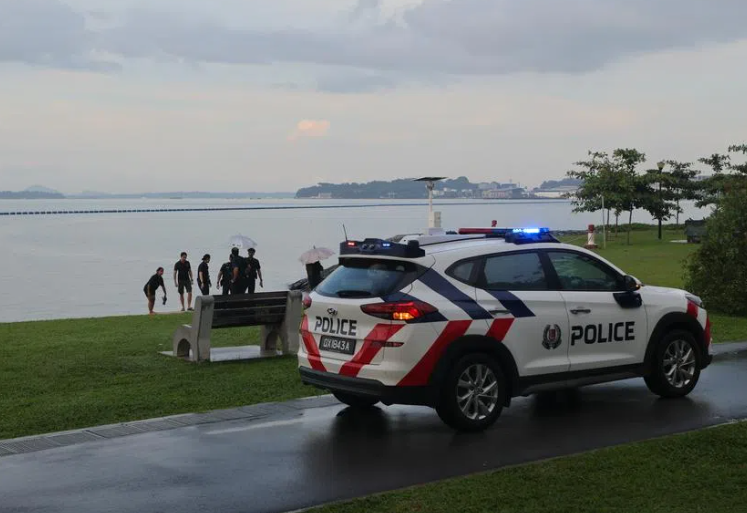
A recreational water sports outing turned tragic when a 24-year-old man was fatally struck by lightning while paddleboarding in waters near Pasir Ris Beach in Singapore on Sunday, July 5. The victim was among a group of seven people engaged in kayaking and paddleboarding activities when an unexpected lightning bolt struck the water around 4.50pm. The man was found unconscious and conveyed to hospital, where he was pronounced dead despite emergency medical intervention. Six other members of the group, aged between 13 and 54, survived the incident and were transported to various medical facilities while conscious.
Police responded to the incident at 131 Pasir Ris Road after receiving an alert in the late afternoon. Initial investigations suggest no criminal activity was involved, with authorities focusing on the lightning strike as the direct cause of death. The Singapore Civil Defence Force coordinated the rescue and medical response, transporting five people to Sengkang General Hospital and two young children to KK Women's and Children's Hospital. A Red Rhino fire attack vehicle and ambulance were deployed to the beach, where SCDF personnel could be seen performing emergency resuscitation procedures on the unconscious victim before transport.
Eyewitness accounts paint a picture of an ordinary recreation day that descended into chaos within moments. Muhammad Fairuz, a 40-year-old delivery rider who was fishing nearby, observed the group paddling about 100 metres offshore shortly after 4pm when the incident occurred. He reported that the sky appeared clear at the time of the strike, suggesting the lightning emerged from weather conditions not immediately obvious to beach-goers. Fairuz felt the electrical current travel through his own fishing rod, indicating the considerable power of the discharge. After hearing urgent shouting, he spotted an unconscious man lying on a paddleboard and acted quickly, paddling out with another bystander to retrieve the victim and bring him back to shore.
The incident underscores the persistent hazards associated with outdoor water activities in tropical and subtropical environments where electrical storms develop with limited warning. Singapore experiences an average of 176 lightning days annually according to data from the Meteorological Service Singapore, with a lightning day defined as any 24-hour period during which at least one lightning occurrence is detected at the Changi climate station. This frequency means that lightning poses a genuine, recurring risk to anyone spending time on the water during warmer months. The tropical climate's characteristic rapid weather shifts can catch recreational users off guard, particularly when storm clouds develop with limited visible warning on the horizon.
This fatality represents a stark reminder of lightning's devastating potential in the region. May 2024 saw another fatal lightning strike claiming a worker at a fish farm, demonstrating that both recreational and occupational water exposure carries significant risk. More broadly, the hazard extends beyond those directly in the water—in December 2023, three workers required hospitalisation after lightning struck near their worksite. These incidents cluster around the warmer months when atmospheric instability peaks across Southeast Asia, a period during which water-based activities see heightened participation as school holidays and good weather encourage outdoor recreation.
The rescue efforts by bystanders and emergency services highlight the critical importance of rapid response when lightning incidents occur. The presence of trained personnel and emergency vehicles at the scene within minutes of the initial alert likely prevented additional casualties among the group. However, the fundamental challenge remains that lightning strikes offer no opportunity for prevention through conventional safety measures once a person is exposed on open water. Unlike land-based lightning safety protocols that recommend shelter indoors or in vehicles, individuals on paddleboards and kayaks remain highly vulnerable with no practical protective option available.
For Malaysian readers and Southeast Asian water sports enthusiasts, the incident carries direct relevance given Malaysia's similar tropical climate and prevalence of lightning activity during monsoon and inter-monsoon periods. Water sports have grown increasingly popular throughout the region as recreation becomes more accessible and tourism development expands. The combination of expanding participation in activities like paddleboarding, kayaking, and water skiing with the region's natural meteorological hazards creates an ongoing safety challenge that extends beyond Singapore's shores.
Public health authorities and water sports operators across Southeast Asia may need to reassess lightning preparedness protocols. Current safety frameworks often focus on undertow, drowning prevention, and collision risks, with less emphasis on electrical weather hazards. Beach operators and water sports rental facilities could implement monitoring systems linked to lightning detection networks, establishing clearer thresholds for activity suspension when electrical storm risk escalates. Educational campaigns targeting regular water users about storm development and appropriate response measures could complement infrastructure improvements.
The broader question of climate resilience also warrants consideration. As weather patterns potentially become more volatile and unpredictable with climate change, the frequency and intensity of electrical storms may shift. Communities dependent on water-based recreation and industries requiring waterside work face cumulative exposure to risks that existing safety frameworks may inadequately address. Regional cooperation on meteorological monitoring and early warning systems could enhance protective capacity across the Strait of Malacca and broader Southeast Asian waters where leisure and commercial activities intersect.
Investigations remain ongoing into the specific circumstances surrounding the lightning strike. Beyond establishing the precise sequence of events, authorities will likely examine whether additional safety measures or awareness campaigns could help prevent similar tragedies. The paddleboarder's death represents not merely an individual loss but a signal that even routine recreational activities in familiar coastal environments carry weather-related hazards requiring serious attention and preparedness planning across the region.

