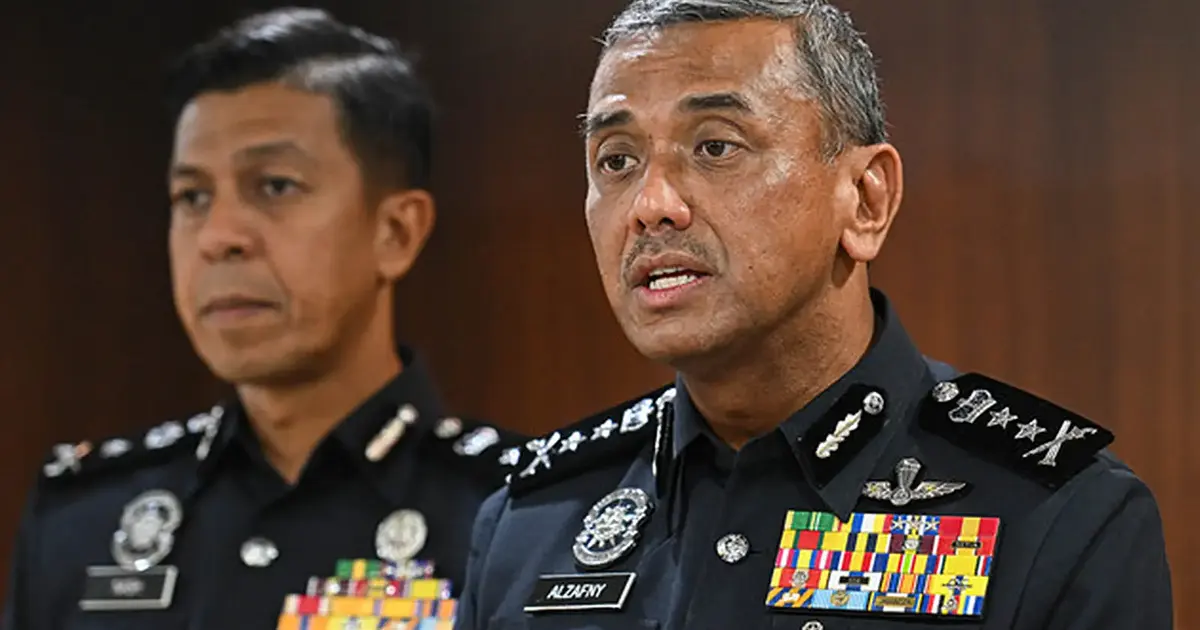
Police in Negeri Sembilan have apprehended a man in connection with a social media post that authorities contend contained insulting remarks directed at the state's royalty. According to Negeri Sembilan police chief Alzafny Ahmad, officers detained the suspect and confiscated his mobile phone as part of their investigation into the matter.
The arrest highlights the ongoing sensitivity surrounding online commentary on Malaysia's royal institutions, a matter that remains firmly protected under the country's legal framework. Such cases routinely attract police attention across Malaysian states, particularly when allegations centre on disrespectful remarks made through digital platforms. The seizure of the suspect's device suggests investigators intend to examine other digital content and communications that may be relevant to their inquiry.
Negeri Sembilan, like other Malaysian states, maintains strong cultural and constitutional traditions regarding respect for its ruler. The Duli Yang Maha Mulia Negeri Sembilan holds paramount significance in the state's governance structure and social fabric. Any perceived breach of this protocol, whether offline or in digital spaces, tends to invite swift official response from law enforcement authorities.
The emergence of such cases reflects broader patterns across Malaysia, where the intersection of social media activity and laws protecting royal dignity continues to generate legal scrutiny. Over recent years, numerous individuals have faced investigation or prosecution following online posts that authorities deemed insulting or disrespectful towards royal institutions at both federal and state levels. These legal mechanisms exist to uphold what the government views as essential standards of respect and propriety.
For Malaysian news consumers and particularly those in Negeri Sembilan, this incident underscores the legal boundaries governing public discourse about royalty on social platforms. Despite widespread global norms that emphasise digital freedom of expression, Malaysia maintains distinct legal protections that extend to its royal institutions. The implications for social media users remain significant: posts perceived as insulting can trigger formal police investigations and potential criminal liability.
The confiscation of digital devices during such operations is standard investigative procedure, allowing authorities to examine message histories, browsing records, and other electronic communications that might substantiate allegations or reveal additional breaches. Forensic examination of seized phones frequently forms a central component of modern police investigations, particularly in cases involving online activity.
This development comes amid ongoing conversations within Malaysian society about balancing free expression with legal protections for revered institutions. While constitutional frameworks exist guaranteeing certain freedoms, they remain circumscribed by laws designed to protect national symbols, religious authorities, and royal institutions. The practical application of these legal protections through cases like this one continues to shape online behaviour and public understanding of acceptable digital discourse.
For individuals operating across Malaysian social media platforms, the case serves as a reminder that online anonymity does not shield users from potential investigation or consequences. Digital footprints remain traceable, and platform data frequently assists law enforcement in identifying individuals who may have violated relevant statutes. The technical capacity to identify content creators has grown substantially, diminishing traditional assumptions about online privacy or untraceability.
Regional observers monitoring Malaysia's legal approach to digital content and royal protection will note this incident as part of an established pattern. Several Southeast Asian nations maintain comparable legal frameworks protecting their royal institutions, though enforcement intensity and specific legislative approaches vary. Malaysia's approach represents one point along a spectrum of regional attitudes towards online speech and institutional protection.
The investigation remains ongoing, and formal charges have not yet been disclosed. The detention marks the commencement of a process that may result in various outcomes depending on evidence gathered and legal assessments made by prosecutorial authorities. Precedent suggests such matters can result in bail or remand arrangements while investigations proceed, with potential charges under relevant legislation designed to address disrespectful online commentary.
This arrest illustrates how digital communication increasingly intersects with traditional legal frameworks designed for earlier eras. As Malaysian society continues navigating these intersections, questions about proportionality, press freedom, and institutional respect remain contested. The specific post that prompted the detention remains undisclosed in public reporting, leaving observers unable to assess whether the allegation involves crude insults or more nuanced political commentary.

