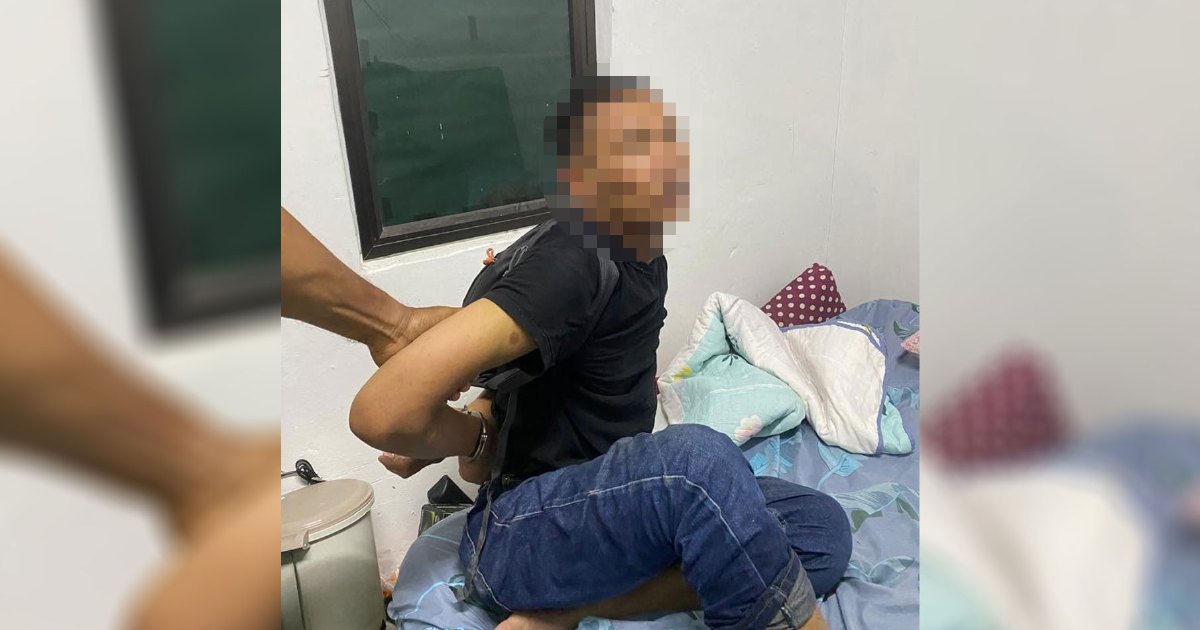
Police in Johor Baru have arrested a 48-year-old man on suspicion of unlawfully entering a residential property in Kampung Melayu Majidee. The swift apprehension, completed within 20 minutes of the initial report, highlights the efficiency of the state's law enforcement response to home intrusion incidents that have become an increasing concern across urban residential areas in Malaysia.
House trespassing remains a serious offence under Malaysian law, carrying potential penalties including fines and imprisonment depending on the circumstances and intent. The rapid arrest underscores efforts by the Johor police force to address the growing public anxiety surrounding unauthorized entries into private residences, a problem that has prompted many households throughout the state to invest in enhanced security measures such as CCTV systems and reinforced locks.
The incident in Kampung Melayu Majidee reflects broader security challenges facing densely populated residential neighbourhoods in Johor Baru, where proximity between properties and high foot traffic can create vulnerabilities. Residents in such areas have increasingly reported concerns about suspicious individuals loitering near homes, prompting police to maintain visible patrols and encourage community vigilance through neighbourhood watch programmes.
The 20-minute response time represents a notable operational achievement for the district's police contingent, suggesting effective coordination between emergency reporting systems and deployment protocols. When residents contact authorities about trespassing incidents, rapid response teams must balance immediate apprehension with thorough investigation to gather evidence and obtain witness statements that will support potential prosecution.
Investigations into trespassing cases typically examine whether the suspect had prior criminal history, mental health concerns, or specific intent related to theft or harassment. Such background details prove crucial for determining whether charges should be pursued under general trespassing statutes or more serious legislation related to criminal intimidation or property offences. The arresting officers would have documented the circumstances of the intrusion to establish the suspect's actions and statements upon detention.
Johor Baru's experience mirrors trends seen across major Malaysian urban centres where residential security has become increasingly prominent in public discourse. Property owners have become more proactive about fortifying homes and participating in community policing initiatives, recognizing that coordinated neighbourhood responses can deter would-be trespassers more effectively than individual security measures alone.
The incident also reflects the broader mandate of the Royal Malaysia Police to maintain public order and protect citizens' fundamental right to security in their own homes. Trespassing cases, while sometimes involving seemingly minor intrusions, carry significant psychological impact on residents and their families, often triggering anxiety about home safety and repeated victimization.
Forces in Johor continue training their personnel in de-escalation techniques and evidence collection procedures to ensure that trespassing arrests result in viable prosecutions rather than cases dismissed on procedural grounds. This emphasis on investigative rigour complements the quick-response capabilities that made the 20-minute apprehension possible.
Community policing strategies in Johor Baru increasingly encourage residents to report suspicious activities immediately rather than attempting to confront intruders themselves, a safety protocol that has contributed to faster police mobilization. When combined with improved emergency dispatch systems and strategic patrolling, these initiatives have enhanced the overall responsiveness of law enforcement to residential crime incidents.
The arrest serves as a reminder to residents throughout the state about the importance of maintaining vigilant security practices, from securing windows and doors to installing motion-sensor lighting and maintaining regular communication with neighbours about unusual activities. Kampung Melayu Majidee residents will likely view this swift police action as validation of their community's responsiveness to security threats.
As the suspect undergoes further investigation and questioning, authorities will work to determine the full circumstances of the alleged intrusion and whether additional charges might apply. The case exemplifies how residential security concerns, while sometimes appearing localized, form part of a larger pattern requiring sustained police attention and community engagement throughout Johor Baru's expanding urban landscape.

