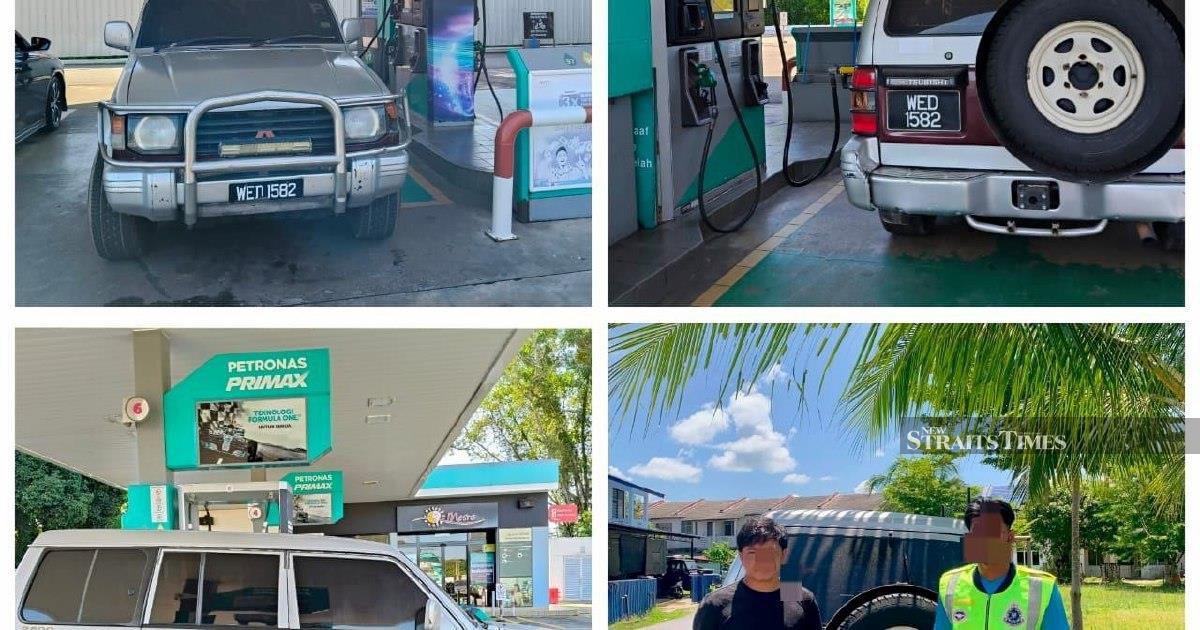
Authorities have arrested a 36-year-old man at a petrol station in Rantau Panjang, Kelantan, as part of ongoing efforts to curb fuel smuggling across the Malaysia-Thailand border. The detention followed observations that the suspect had been making repeated and substantial petrol purchases at the station, with evidence suggesting the fuel was intended for illegal cross-border trafficking rather than personal consumption.
The suspect's arrest represents a fresh enforcement action against a persistent problem plaguing Malaysia's northern border region. Fuel smuggling remains a significant concern for both law enforcement and the government, as unauthorised movement of Malaysian petroleum products into neighbouring Thailand drains local supplies and undermines the economic value of the nation's energy resources. The arrest at Rantau Panjang, a locality closely positioned to the international frontier, underscores law enforcement focus on key transit points where such illegal activity concentrates.
Fuel smuggling operations along the Malaysia-Thailand border typically involve sophisticated networks that exploit price differentials between the two countries and gaps in border security. Operators recruit individuals to make seemingly routine fuel purchases at legitimate Malaysian petrol stations before the product is transported across the border through various channels. By making multiple smaller transactions rather than single large purchases, perpetrators attempt to avoid triggering alerts among station staff or automated monitoring systems designed to flag suspicious activity.
The arrest occurred as authorities continue intensified patrols and intelligence-gathering operations in border areas known for smuggling activity. Kelantan's lengthy frontier with Thailand makes it particularly vulnerable to cross-border trafficking of contraband goods, including fuel, cigarettes, and other commodities. The state's porous terrain and numerous informal crossing points complicate enforcement despite the presence of official checkpoints and security personnel.
Malaysia's government has consistently prioritised border security and anti-smuggling initiatives, recognising the significant revenue implications of fuel losses. Petroleum products represent a critical component of Malaysia's national economy, and unauthorised exports deprive the government of potential tax revenue and undermine domestic fuel price stability. The fuel subsidies Malaysia maintains to keep consumer prices competitive make the country an attractive source for smugglers targeting markets where fuel commands higher prices.
The nature of the suspect's alleged activities—multiple petrol purchases rather than a single transaction—suggests either coordination with other individuals or supply to an existing distribution network on the Thai side. Such patterns typically emerge when local recruitment agents work on behalf of larger smuggling syndicates that orchestrate the collection and transportation of fuel across borders. Understanding these operational structures helps authorities target not only street-level operatives but the organisational frameworks that enable sustained smuggling operations.
Forces at the border have previously reported disrupting fuel smuggling attempts through vehicle inspections, surveillance of petrol station activity, and cooperation with Thai authorities on coordinated enforcement initiatives. However, the clandestine nature of the trade means many operations continue undetected, with perpetrators constantly adapting their methods to evade detection. The arrest in Rantau Panjang suggests that intelligence gathering and pattern recognition remain effective tools in identifying suspicious behaviour before large quantities of fuel cross the frontier.
The detention also highlights the challenge authorities face in distinguishing between legitimate high-volume fuel purchases and those conducted for smuggling purposes. Commercial operators, transporters, and others with legitimate reasons to buy substantial quantities of fuel must be differentiated from individuals making purchases solely for illegal export. This requires vigilant station staff training, coordination between petrol retailers and law enforcement, and willingness among operators to report suspicious patterns to authorities.
Regional implications of fuel smuggling extend beyond Malaysia's borders. Thailand faces its own challenges with fuel supply management and black-market diversion, making cross-border cooperation essential for addressing the issue comprehensively. Joint enforcement operations between Malaysian and Thai authorities have proven valuable in intercepting smuggling attempts and dismantling networks operating across the frontier. Intelligence sharing regarding smuggling tactics, key personnel, and operational patterns strengthens both nations' capacities to protect their fuel resources and border security interests.
The economic dimension of fuel smuggling warrants sustained policy attention. While individual arrests address immediate law enforcement objectives, structural responses—including refined border monitoring technologies, enhanced penalties for smuggling-related offences, and coordinated regional strategies—offer longer-term solutions to reducing the appeal and feasibility of such operations. Malaysia's investment in border security infrastructure and personnel reflects recognition that fuel smuggling represents a substantial threat to national resource management and revenue protection.

