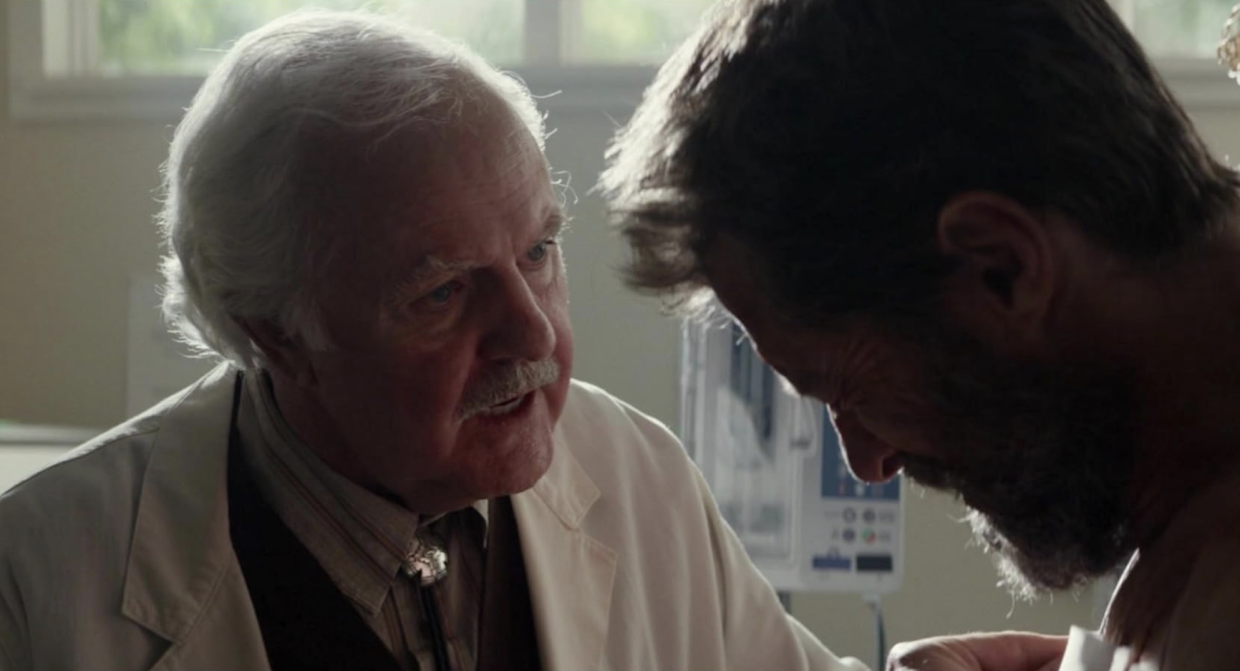
A California court has determined that the man accused of fatally stabbing veteran character actor James Handy is psychologically unfit to participate in criminal proceedings. Los Angeles Superior Court Judge Maria Cavalluzzi issued the ruling on Monday after evaluating the mental state of 44-year-old Michael Gledhill, concluding he lacks the cognitive capacity to understand the charges against him or work meaningfully with his defence team.
The competency finding represents a significant development in a case that shocked Hollywood circles following Handy's death earlier this year. The 81-year-old performer, whose extensive career spanned films and television productions over multiple decades, was killed at a residence where Gledhill was living in his mother's garage. When police arrived at the scene following an emergency call, Gledhill reportedly told officers that he was the person they sought, effectively confessing to his presence at the critical moment.
The circumstances surrounding the call itself have drawn considerable attention. A 911 dispatcher recorded a caller declaring, "I am the son of man, I just killed the man of sin," according to police records. This statement, combined with Gledhill's subsequent admission, created an immediate basis for his arrest on suspicion of murder. However, questions about his mental state emerged quickly, prompting authorities to seek a formal evaluation rather than proceeding directly to trial.
Gledhill's legal journey through the court system has been marked by procedural pauses designed to address mental health concerns. When the case was scheduled for arraignment on June 5, the presiding judge opted to divert the proceedings to a specialized mental health court rather than advancing through standard criminal protocols. This tactical decision reflected mounting concerns about whether Gledhill possessed sufficient psychological capacity to navigate the legal process.
Following comprehensive psychiatric evaluations conducted within the mental health division, clinicians determined that Gledhill failed to meet the legal threshold for competency. Judge Cavalluzzi subsequently affirmed this assessment, establishing on record that the defendant cannot comprehend the nature of the allegations he faces or provide rational assistance to his legal representation. The judge also found that Gledhill lacks the ability to make informed decisions regarding his own medical treatment.
In response to these findings, Cavalluzzi authorized involuntary psychiatric medication for a period of one year. The decision was grounded in professional psychiatric testimony indicating that appropriate pharmaceutical intervention could substantially improve Gledhill's mental health condition. This authorization represents an extraordinary judicial measure, undertaken only when courts determine that medication is essential for stabilizing a defendant's psychological state. A further hearing scheduled for July 14 will determine appropriate long-term placement options for Gledhill.
The trajectory of the case remains contingent on future psychiatric evaluations. Should Gledhill eventually be deemed competent following treatment, the matter would proceed to trial, where prosecutors would need to present evidence of his guilt to a jury. The current suspension of proceedings does not constitute an acquittal or dismissal; rather, it is an administrative pause reflecting the law's requirement that defendants be mentally fit to face justice. This framework, common across American jurisdictions, acknowledges that prosecution of individuals unable to comprehend their circumstances or assist their defence raises fundamental fairness questions.
Friends and associates of Handy have provided context regarding the household dynamics preceding his death. Brian Delate, a fellow actor and longtime companion, spoke with media outlets after the killing, describing how Gledhill's mother had arranged her garage as living quarters for her son. Although Handy maintained his own residence, he spent considerable time at the family home. Delate noted that Handy had casually mentioned that his girlfriend's son was experiencing mental health difficulties, suggesting that concerns about Gledhill's condition may have been apparent to those in his social circle.
The case raises broader questions about mental illness, family caregiving, and violence prevention that resonate beyond California. Gledhill's apparent acknowledgment of the crime, combined with psychiatric findings of incompetency, presents a complex scenario in which criminal culpability and mental disability intersect. For Malaysian and Southeast Asian observers, the case underscores how developed nations balance accountability for serious crimes against obligations to provide treatment for mentally ill individuals within the criminal justice system.
Handy's death marks the conclusion of a career that reflected the life of a working character actor rather than a marquee celebrity. His filmography and television appearances accumulated across decades of professional engagement with the entertainment industry. His passing at age 81 followed a career trajectory common among performers who sustained employment through consistent, dedicated work in secondary roles.
As Gledhill undergoes involuntary medication and awaits the July 14 hearing on placement, the legal system will continue to manage the case with emphasis on his psychological rehabilitation. Whether he ultimately achieves competency, faces trial, or remains institutionalized long-term will depend on psychiatric progress over the coming months. The case demonstrates how American criminal procedure accommodates mental health considerations even in circumstances involving serious violent crime.