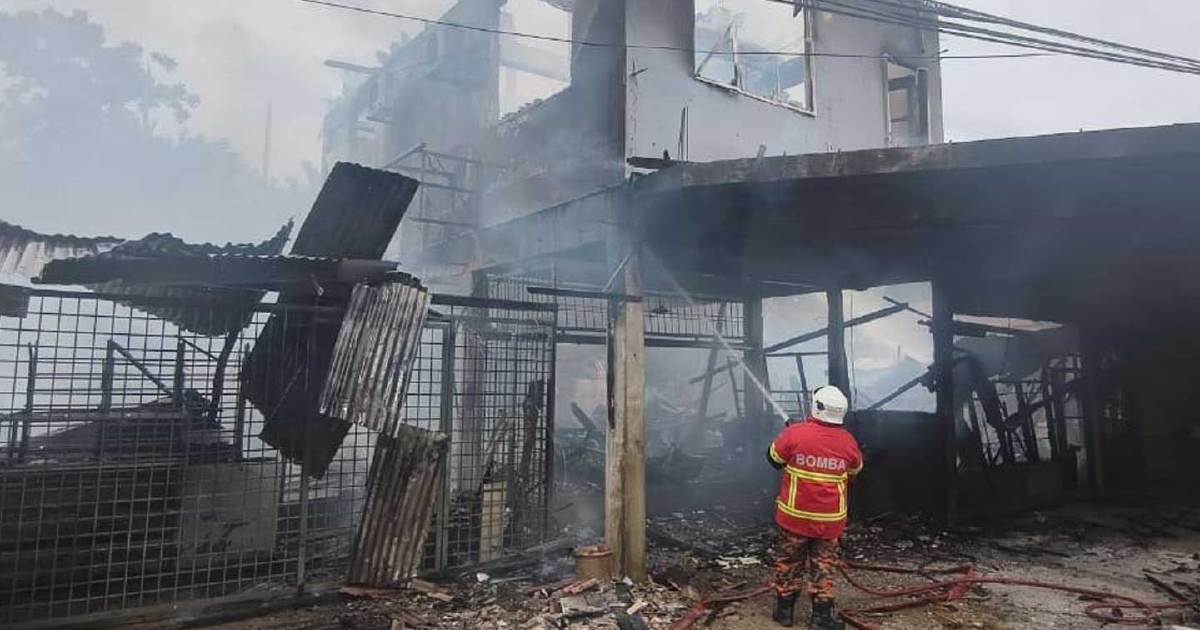
Police in Jitra have remanded a 36-year-old man for five days following his arrest on suspicion of deliberately setting fire to his mother's dwelling in Kampung Sungai Baru. The decision, made by the magistrate's court, will allow investigators additional time to gather evidence and interview the suspect as they piece together the circumstances surrounding the incident.
Arson cases involving residential properties present significant challenges for law enforcement in Malaysia, particularly when they occur within family settings. These investigations require meticulous evidence collection, including forensic analysis of the fire scene, witness statements, and potential motives. The five-day remand order provides authorities with a critical window to establish whether the fire was deliberately ignited and to determine what circumstances may have led to such a serious allegation.
The Jitra district, located in Kedah, has seen its share of crime-related incidents over recent years. Residential fires, whether accidental or deliberate, pose substantial risks not only to the targeted properties but also to neighbouring homes and the broader community. When arson is suspected, the implications extend beyond property damage to encompass serious criminal liability, as deliberately setting fire to premises is treated as a grave offence under Malaysian law.
Intra-family conflicts that escalate to property damage and fire-setting represent a troubling dimension of domestic tensions. Such cases often reveal underlying issues including financial disputes, inheritance disagreements, substance abuse problems, or longstanding interpersonal conflict. Understanding the root causes is essential not only for justice purposes but also for developing community support mechanisms that might prevent similar incidents.
Police investigations into suspected arson require coordination between multiple agencies. Fire and Rescue Department officials conduct technical investigations to determine fire origin and cause, while police gather testimonial evidence and examine potential motives. This collaborative approach strengthens the evidentiary foundation necessary for prosecution should charges proceed.
The remand period allows investigators to secure crucial details: whether accelerants were used, whether there were witnesses to suspicious activity, whether the suspect had access to the property at the relevant time, and what the relationship dynamics between the accused and his mother might reveal about potential motivation. Such groundwork proves essential in arson prosecutions, where circumstantial evidence often carries substantial weight.
Family-related property crimes reflect broader societal issues that extend across socioeconomic boundaries throughout Malaysia and Southeast Asia. While police focus on evidence collection, social services and counselling organisations increasingly recognize that such incidents often emerge from crisis situations amenable to intervention. Neighbours, employers, and relatives of individuals experiencing severe stress can play protective roles by recognizing warning signs and facilitating access to appropriate support services.
The legal framework governing arson in Malaysia carries substantial penalties, recognising the severity of deliberately destroying property and endangering lives. Conviction can result in imprisonment and substantial fines. The five-day remand reflects the judiciary's recognition of the case's seriousness and the need for thorough investigation before any charging decision.
Family disputes in Malaysia increasingly draw attention from authorities and social commentators concerned about domestic stability. Campaigns promoting conflict resolution, counselling services, and community support networks aim to prevent escalation from disagreement to violence or property destruction. Police investigations into such incidents, while necessary, represent the enforcement endpoint of what ideally should be addressed through earlier intervention.
The outcome of this investigation will depend substantially on forensic evidence from the fire scene. Experienced investigators can determine fire spread patterns, identify likely ignition points, and assess whether the damage pattern aligns with deliberate burning or accidental causes. This technical foundation combines with witness testimony and circumstantial evidence to build investigative cases.
As the investigation proceeds, questions regarding the suspect's mental state, any potential dispute with his mother, financial pressures, or substance involvement may emerge. Malaysian courts consider such contextual factors when evaluating culpability and determining appropriate sentencing, should conviction occur. The remand period provides time for investigators to develop a comprehensive picture of events leading to the alleged fire.
Regional law enforcement agencies have increasingly shared best practices in investigating property crimes, recognizing patterns and developing more sophisticated investigative techniques. The Jitra police handling this case benefit from such institutional knowledge and established protocols for managing arson investigations within family contexts.
As police continue their work during the remand period, the case serves as a reminder of the serious consequences that domestic disputes can generate. Community awareness campaigns about conflict resolution, accessible counselling services, and early intervention pathways represent preventive measures complementing law enforcement's necessary investigative role.

