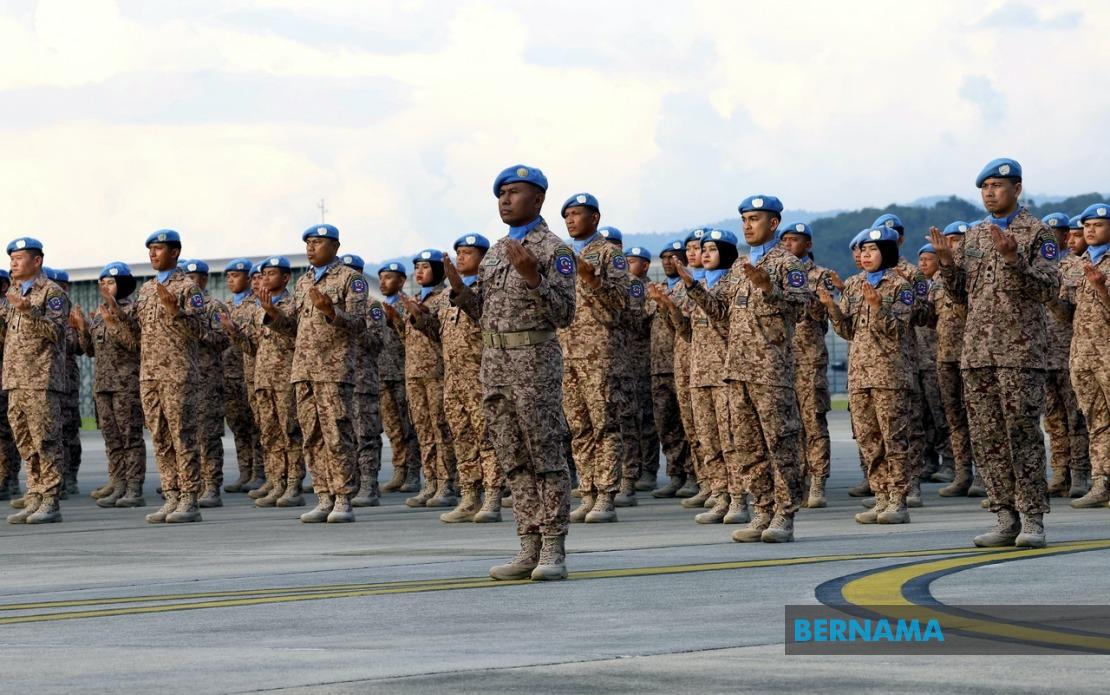
The Malaysian Battalion (MALBATT) 850-13 stationed in Lebanon has been strategically positioned at a central location that significantly reduces exposure to ground-level conflict along one of the Middle East's most volatile borders. Defence Minister Datuk Seri Mohamed Khaled Nordin outlined this tactical advantage during remarks in Kota Tinggi, emphasising that the deployment model prioritises soldier safety without compromising the unit's peacekeeping mandate.
Unlike some multinational contingents assigned to the United Nations Interim Force in Lebanon (UNIFIL), the Malaysian contingent operates from an interior base rather than forward positions directly facing the Lebanon-Israel demarcation line. This placement reflects a deliberate strategic choice that distances personnel from potential ground skirmishes while maintaining their ability to fulfil monitoring and stabilisation responsibilities across their assigned sector. The configuration contrasts with deployments by other nations, particularly French and Indonesian forces, which maintain positions closer to the border itself.
The minister's public statement underscores growing international attention to the safety protocols governing multinational peacekeeping operations in the region. MALBATT's positioning exemplifies a broader trend in contemporary UN peacekeeping doctrine, where force protection and operational effectiveness must be balanced through careful terrain assessment and risk analysis. By situating the battalion at a location with strategic depth, Malaysian defence planners have created what military analysts would recognise as a defensive buffer against rapid escalation scenarios.
However, Mohamed Khaled acknowledged that the security landscape has evolved considerably in recent years. The shift toward aerial-based threats—including drone operations and fighter jet incursions—means that positional security alone cannot guarantee complete protection. This reality reflects the modern character of Middle Eastern conflicts, where traditional notions of front-line positioning have become less relevant. Aerial assets operate across large geographical zones, rendering border proximity a less critical factor in threat assessment.
The emergence of drone warfare and precision air strikes as the dominant tactical form has forced defence establishments throughout the region and beyond to recalibrate their risk calculations. For peacekeeping forces, this development presents unique challenges. No amount of terrain separation can shield forces from overhead threats, requiring instead a comprehensive defensive architecture combining early warning systems, dispersed positioning, and rapid response capabilities. Malaysia's contingent must therefore maintain heightened vigilance despite its advantageous ground positioning.
To address these evolving threats, the Malaysian Defence Ministry has implemented comprehensive emergency protocols governing MALBATT's responses to security incidents. Standard operating procedures mandate that all personnel maintain constant situational awareness and utilise hardened shelters—including bunkers and reinforced positions—during periods of elevated threat. These procedures represent the institutional response to recognising that protection cannot rely solely on geographical advantage.
The battalion's operational framework reflects lessons learned from previous Malaysian deployments in conflict zones and insights drawn from international peacekeeping experiences. UNIFIL itself has operated in Lebanon since 1978, providing three decades of accumulated knowledge regarding threat patterns, seasonal variations in tensions, and early warning indicators of larger escalations. Malaysian contingents benefit from this institutional memory while adapting their specific tactics to contemporary realities.
For Malaysia's defence establishment and broader national interests, MALBATT's sustained presence in Lebanon carries significance beyond immediate military considerations. The deployment demonstrates Malaysia's commitment to international peace operations and positions the nation as a responsible stakeholder in regional stability efforts. It also provides valuable operational experience for Malaysian personnel, building institutional capacity and enhancing interoperability with allied forces from diverse nations and military traditions.
The positioning debate also reflects broader geopolitical considerations affecting Southeast Asian nations with peacekeeping commitments in volatile regions. Malaysia, alongside Indonesia and other regional states, must navigate the competing imperatives of supporting international legal frameworks while protecting national personnel. The central positioning of MALBATT represents a pragmatic middle ground—enabling meaningful participation in UNIFIL's mandate while implementing risk mitigation measures appropriate to the threat environment.
Looking forward, the security situation across the Lebanon-Israel border will likely continue influencing force composition and positioning strategies for all UNIFIL contingents. Should tensions escalate significantly, the international community may need to reassess deployment models and resource allocations. Malaysia's decision-makers will need to remain flexible, prepared to adjust protocols and positioning as circumstances warrant, while maintaining the protective posture that has served the battalion effectively.
The minister's public acknowledgment of both positioning advantages and emerging vulnerabilities demonstrates transparency regarding Malaysian military operations abroad. This communication helps inform domestic stakeholders about the complexities of modern peacekeeping while emphasising the professionalism and preparedness of Malaysian forces. It also signals to regional and international partners Malaysia's serious approach to force protection and operational integrity.
Ultimately, MALBATT's deployment exemplifies the nuanced security thinking required in contemporary peace operations. Strategic positioning matters, but it must be complemented by adaptive protocols, modern technology, and sustained vigilance to address threats that increasingly transcend traditional notions of geography and borders.

