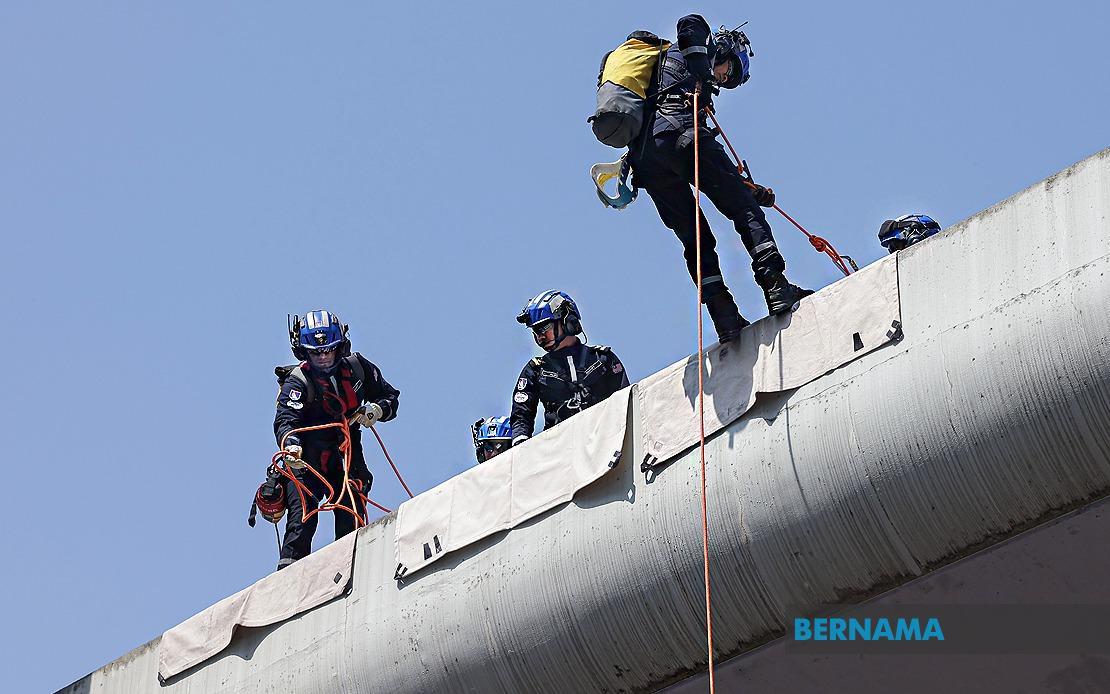
Malaysia has positioned its elite search and rescue capability at immediate readiness to assist Nepal following devastating floods that have swept across the Himalayan nation, with deployment dependent solely on formal acceptance from the Nepali Government. The National Disaster Management Agency confirmed that the Malaysian Special Search and Rescue Team (SMART) has been placed on high alert and can mobilise at short notice, though the final go-ahead for the unit to enter Nepali territory rests with authorities in Kathmandu.
The standby posture represents a significant commitment to regional disaster response, reflecting Malaysia's broader strategy of positioning itself as a reliable humanitarian partner within Asia. SMART, an elite unit maintained by Malaysia's fire and rescue services, has earned considerable international reputation through previous deployments to major disasters across the region, making it a valued asset during emergencies of this magnitude. The team's activation underscores how natural disasters increasingly transcend national borders, necessitating coordinated international assistance frameworks that Malaysia has invested heavily in maintaining.
Coordination between Malaysia's multiple agencies has proceeded seamlessly, with the Foreign Ministry working alongside NADMA to ensure that all diplomatic protocols are observed and that proposed assistance aligns with Nepal's actual requirements and preferences. This inter-agency coordination reflects lessons learned from previous disaster responses, where communication breakdowns or insensitivity to host nation priorities occasionally hampered relief efforts. By routing requests through official channels and respecting Nepal's authority to determine what external help proves most beneficial, Malaysia positions itself as a responsible partner rather than an imposing donor.
The scope of Malaysian assistance extends beyond search and rescue operations into broader humanitarian support. In addition to deploying SMART to conduct search operations and locate any Malaysian nationals affected by the floods, Malaysia has committed to providing targeted assistance to Nepal's recovery process through a US$1 million financial contribution. This dual approach—combining specialised personnel deployment with financial resources—demonstrates recognition that disaster recovery involves both immediate emergency response phases and longer-term reconstruction needs that require sustained funding.
Snr Fire Supt I Abdul Manaf Che Isa, commanding the SMART contingent, emphasised the team's preparedness despite concurrent National Day commitments, noting that Malaysian operatives maintain perpetual readiness for disaster response regardless of other scheduled activities. The willingness to balance domestic ceremonial obligations with international humanitarian responsibilities reflects institutional culture within Malaysia's emergency services. The team's participation in the National Day parade tomorrow does not diminish its capacity or commitment to immediate deployment should Nepal formally request assistance.
The Prime Minister's public announcement of the deployment decision signals governmental commitment at the highest political level, lending weight and resources to the assistance effort. By framing the initiative around both rescue operations and the protection of Malaysian citizens, the government articulates multiple justifications that resonate with domestic constituencies while demonstrating engagement with international humanitarian norms. The Embassy coordination function particularly reflects recognition that disasters create complex situations requiring diplomatic expertise alongside technical rescue capabilities.
Nepal's recent flooding represents precisely the type of large-scale disaster where international cooperation proves essential, as single nations often lack sufficient resources or specialised expertise to manage catastrophic events comprehensively. The country's mountainous terrain, vulnerable infrastructure, and substantial vulnerable populations make flood events particularly devastating, frequently trapping victims in remote areas accessible only through sophisticated search operations. Malaysian expertise in managing similar challenges within tropical Southeast Asian contexts proves transferable to Nepali conditions.
The financial contribution of US$1 million, while modest relative to the scale of reconstruction needs, carries symbolic significance as evidence of Malaysia's commitment and willingness to share recovery burdens. For Nepal's government and affected populations, such support from a fellow developing nation demonstrates that economic constraints need not prevent meaningful solidarity. The amount also reflects realistic assessment of Malaysia's capacity as a middle-income nation, avoiding overextension while demonstrating genuine support.
Malaysia's approach to disaster diplomacy through SMART deployments has become increasingly sophisticated, with the country now recognised as a reliable contributor to regional emergency response networks. This reputation facilitates Malaysia's broader diplomatic objectives by creating goodwill and demonstrating practical commitment to regional stability and cooperation. Each successful deployment strengthens networks and relationships that prove valuable across multiple dimensions of bilateral and multilateral engagement.
The standby deployment model allows Malaysia to signal commitment whilst respecting Nepal's sovereign authority over its territory and disaster response operations, a balance that reflects contemporary humanitarian practice. Rather than assuming Nepal would welcome immediate intervention, Malaysia positions itself as available support subject to Nepali preferences and needs assessment. This approach proves particularly important given historical sensitivities around external intervention in sovereign states and recognition that host nations generally possess superior understanding of local conditions and requirements.
Should Nepal formally request deployment, SMART's mobilisation would likely occur within hours, with the team's training and pre-positioned equipment enabling rapid transit to affected areas. The unit's composition typically includes rescue specialists, medical personnel, engineers, and support staff capable of conducting sustained operations in challenging environments. Previous deployments to regional disasters have demonstrated SMART's capacity to work effectively alongside host nation agencies whilst bringing specialised capabilities not always available domestically.
The Malaysia-Nepal assistance initiative reflects broader patterns of intra-regional support that have become increasingly important as developing nations strengthen capacities to assist one another. Rather than depending exclusively on Western nations and international organisations for disaster response, Asian countries increasingly look to regional partners with demonstrated capability and cultural affinity. Malaysia's positioning as both capable responder and fellow developing nation experiencing similar vulnerability to natural disasters creates particular resonance with Nepali audiences.

