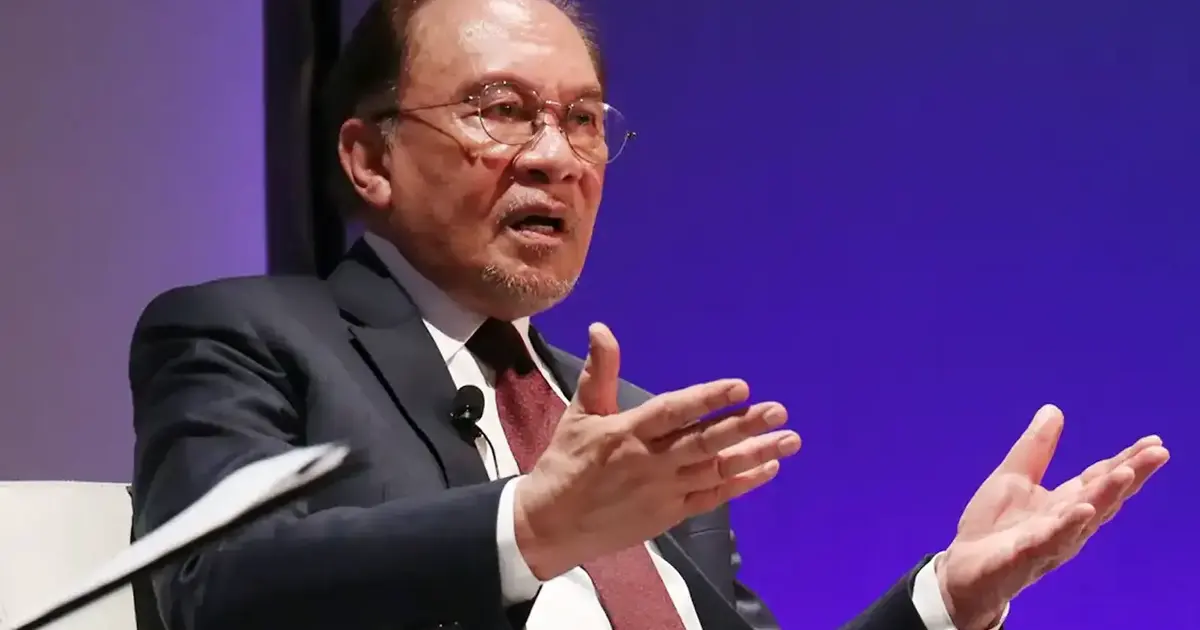
Prime Minister Anwar Ibrahim has cited Malaysia's second-quarter gross domestic product growth as validation of the nation's underlying economic strength, emphasising that Putrajaya's strategic policy interventions over the past three years have consolidated the country's macroeconomic position. The statement underscores the government's confidence in its approach to managing the economy amid global uncertainties and regional competitive pressures.
The timing of Anwar's remarks reflects a broader effort by the administration to demonstrate tangible results from its reform agenda since taking office. The government has positioned itself as committed to modernising Malaysia's economic structure, moving beyond reliance on commodity exports and low-value manufacturing towards higher-margin industries and digital transformation. This narrative is particularly significant given Malaysia's historical vulnerability to external shocks tied to oil prices and global demand fluctuations.
Anwar's emphasis on the durability of growth suggests confidence that the economy can weather ongoing headwinds. The Southeast Asian region faces a complex landscape: slowing Chinese growth, elevated global interest rates, and tightening financial conditions have pressured regional economies. Malaysia's ability to maintain positive expansion in this environment, if sustained, would contrast with some peers facing stagnation or contraction risks. For Malaysian investors and businesses, this signals government optimism about near-term prospects.
The reference to three years of reforms carries political weight. Since Anwar's government assumed power, it has implemented measures aimed at fiscal discipline, improving governance standards, and attracting foreign investment. These efforts have included anti-corruption initiatives, regulatory modernisation, and attempts to streamline the business environment. The government appears eager to establish a track record of competent economic stewardship ahead of electoral cycles and international investor scrutiny.
Malaysia's growth trajectory relative to other ASEAN economies matters significantly for the nation's regional standing and ability to attract multinational investment. If Malaysia outperforms expectations while peers struggle, it could reshape perceptions of the country's economic competitiveness and government effectiveness. Conversely, if growth slows unexpectedly, it would undermine the credibility of the administration's policy framework and invite questions about structural vulnerabilities.
The emphasis on economic resilience also serves a domestic political purpose. Managing public expectations around living standards, employment, and purchasing power remains central to the government's legitimacy. By framing current growth as evidence of sound management, Anwar positions the administration as the guardian of national prosperity, a claim that resonates with voters concerned about inflation, wage stagnation, and cost-of-living pressures. The Q2 figures provide concrete ammunition for this narrative.
However, macroeconomic stability and broad-based growth are distinct phenomena. Aggregate GDP expansion does not automatically translate into improved wages for workers, reduced inequality, or enhanced opportunities for small and medium enterprises. The government will face pressure to demonstrate that growth benefits are distributed across regions and income groups, not concentrated among large corporations and wealthy households. This tension between headline growth and inclusive prosperity represents a persistent challenge for Malaysian policymakers.
The government's three-year reform programme has touched multiple domains: tax administration, digital infrastructure, renewable energy transition, and financial sector development. Each initiative carries implications for different constituencies. For instance, renewable energy investments may attract overseas capital but could disrupt traditional utility business models. Digital infrastructure spending benefits tech sectors but requires sustained expenditure that competes with social spending priorities. Anwar's invocation of these reforms as drivers of growth reflects an attempt to justify the distribution of resources across competing agendas.
Regional dynamics further contextualise Malaysia's economic positioning. The nation competes with Indonesia, Thailand, Vietnam, and the Philippines for foreign direct investment, manufacturing capacity, and trade. A stronger Malaysia narrative—backed by solid growth figures—enhances its appeal as a regional hub for multinational operations. This is particularly relevant given discussions around supply chain diversification away from China, which presents opportunities for Malaysia if it can position itself as a stable, business-friendly alternative.
Looking forward, the sustainability of growth will depend on factors beyond immediate government control. Global demand recovery, commodity price movements, and interest rate trajectories will shape Malaysia's economic trajectory alongside domestic policy choices. The government's framing of current growth as evidence of resilience implicitly claims agency over outcomes, a positioning that carries both opportunity and risk. Should external conditions deteriorate significantly, the administration would face difficult questions about the adequacy of its policy framework.
Anwar's confidence in economic fundamentals reflects broader messaging around Malaysia's medium-term prospects. The government appears committed to maintaining credibility with international investors and credit rating agencies by demonstrating fiscal discipline and structural reform. This focus on fundamentals—rather than short-term stimulus—suggests a deliberate strategy to build sustainable growth foundations, even if it means accepting slower near-term expansion.
For Malaysian businesses and households, the government's optimism about resilience carries practical implications. Confidence in growth prospects may encourage corporate investment, hiring, and expansion plans. However, consumers and workers will ultimately assess the government's economic management through their own experiences of employment stability, income growth, and affordability. This gap between headline sentiment and lived experience will shape both electoral dynamics and the long-term credibility of the current administration's economic narrative.

