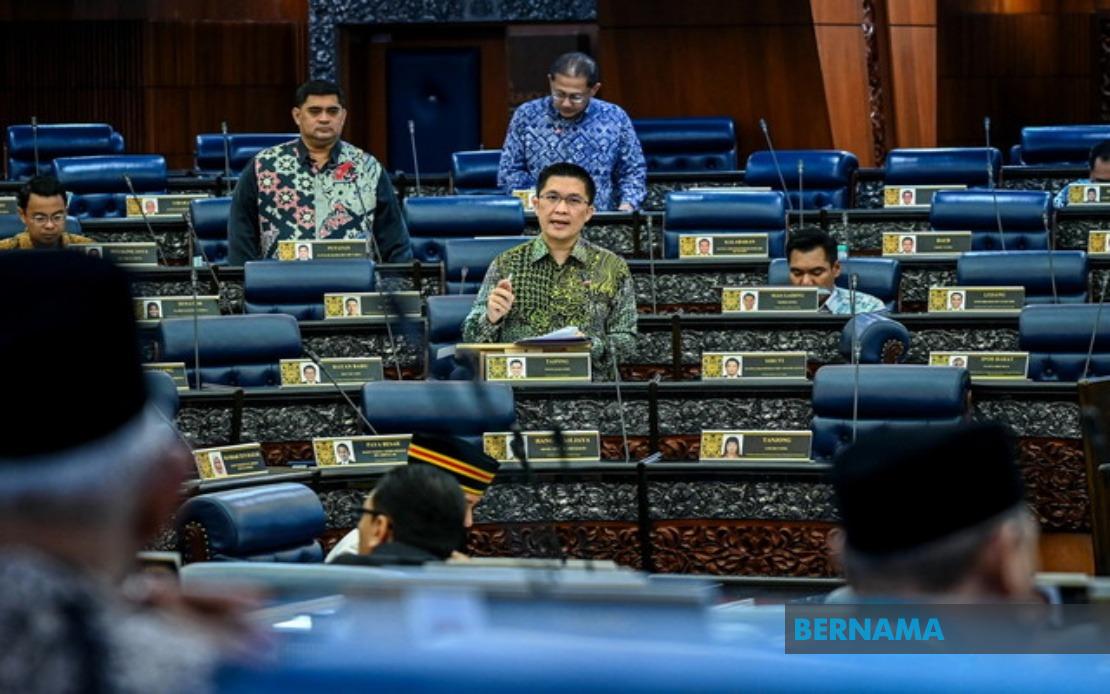
Malaysia's Education Ministry has achieved near-complete staffing of its preschool teacher positions, with 99.8 per cent of posts filled as of July 1, according to a parliamentary statement made on July 9. The deployment of 10,478 teachers nationwide represents a significant milestone in addressing the growing demand for early childhood education across the country, particularly as enrolment numbers continue to climb in various regions.
Deputy Minister Wong Kah Woh disclosed to the Dewan Rakyat that between 2023 and 2025, the ministry had successfully recruited and deployed a total of 1,202 new preschool teachers to strengthen its workforce. This phased and systematic approach to recruitment reflects the government's commitment to matching teacher supply with rising enrolment projections in different areas of the country. The continued recruitment drive will proceed in phases to ensure sustainable expansion of the preschool system without compromising educational quality or institutional capacity.
Beyond recruitment numbers, the Education Ministry has invested significantly in elevating teaching standards through comprehensive professional development initiatives. The ministry has reinforced its service training programmes as well as pre-service and in-service offerings to ensure that preschool educators possess the qualifications and competencies required under established early childhood education standards. These training modules are designed with a direct impact on the quality of learning environments available to young students in preschool settings across the nation.
As of the end of May, the ministry was operating 10,491 preschool classes nationwide, serving approximately 217,026 pupils. This extensive network demonstrates the scale of Malaysia's commitment to providing structured early childhood education at the government level. The expansion of this network has been methodical, with decisions on opening and expanding classes based on thorough assessments of multiple critical factors, including the concentration of eligible-age children in specific localities and demonstrated local demand for preschool services.
When pressed by parliamentarian Hassan Abdul Saad from Baling on whether the Education Ministry had established concrete targets and timelines to ensure universal access to government preschool education for eligible children, Deputy Minister Wong outlined an ambitious expansion roadmap. The ministry is targeting the opening of 300 additional preschool classes in the coming year, building momentum toward a broader five-year goal of launching 1,040 new classes in total. This systematic phasing suggests the ministry is balancing rapid expansion with the practical constraints of recruiting, training, and deploying qualified staff.
For six-year-old children who have missed opportunities to attend government preschool, the Education Ministry is committing to continued expansion of classroom capacity while fostering collaborative partnerships with State Education Departments and the Community Development Department (KEMAS). These inter-agency partnerships are critical to extending reach into underserved communities and improving accessibility of preschool services across different regions. Such cooperation acknowledges that preschool provision is not solely a federal ministry function but requires coordinated effort across multiple government layers.
The high staffing rate of 99.8 per cent reflects considerable progress in meeting one of the fundamental prerequisites for quality preschool delivery—having sufficient trained personnel in place. However, the continued phased recruitment approach suggests that the remaining 0.2 per cent of unfilled posts, while minimal, still warrants attention to achieve complete saturation. The deliberate pace of recruitment also signals the ministry's recognition that rapid expansion must be balanced against the capacity to train and integrate new educators into the system effectively.
For Malaysia's broader early childhood education landscape, these developments carry significant implications. The government's demonstrated commitment to expanding preschool access aligns with international best practices emphasizing early intervention in child development. Strong preschool foundation has been linked in research to improved educational outcomes, social development, and long-term economic productivity. By systematically building teacher capacity and classroom infrastructure, Malaysia is investing in human capital development from the foundational years.
The expansion programme also addresses equity concerns inherent in preschool access. Rural and underserved areas have historically faced challenges in accessing quality early childhood services. The ministry's stated focus on assessing local demand and collaborating with state-level departments suggests attention to geographic disparities in provision. Nevertheless, ensuring that projected growth reaches the most vulnerable populations will require sustained monitoring and targeted resource allocation to regions with the greatest need.
Looking forward, the ministry's five-year roadmap of 1,040 additional classrooms represents a substantial commitment of resources, both financial and human. Success will depend not only on recruiting and training sufficient numbers of qualified preschool teachers but also on constructing or converting physical spaces to accommodate expanding enrolment. The coordination with KEMAS and state education departments will be crucial, as these agencies bring local knowledge and existing infrastructure that can be leveraged for rapid but sustainable expansion.
The strong staffing position achieved so far provides a solid foundation for the next phase of preschool system growth. However, maintaining quality alongside rapid expansion remains the central challenge. The ministry's emphasis on continuous professional development and alignment with early childhood education standards suggests awareness of this tension. As Malaysia pursues its ambitious classroom expansion targets, the focus must remain on ensuring that every additional teacher possesses not just formal qualifications but the practical skills and pedagogical understanding necessary to deliver developmentally appropriate education to young learners.

