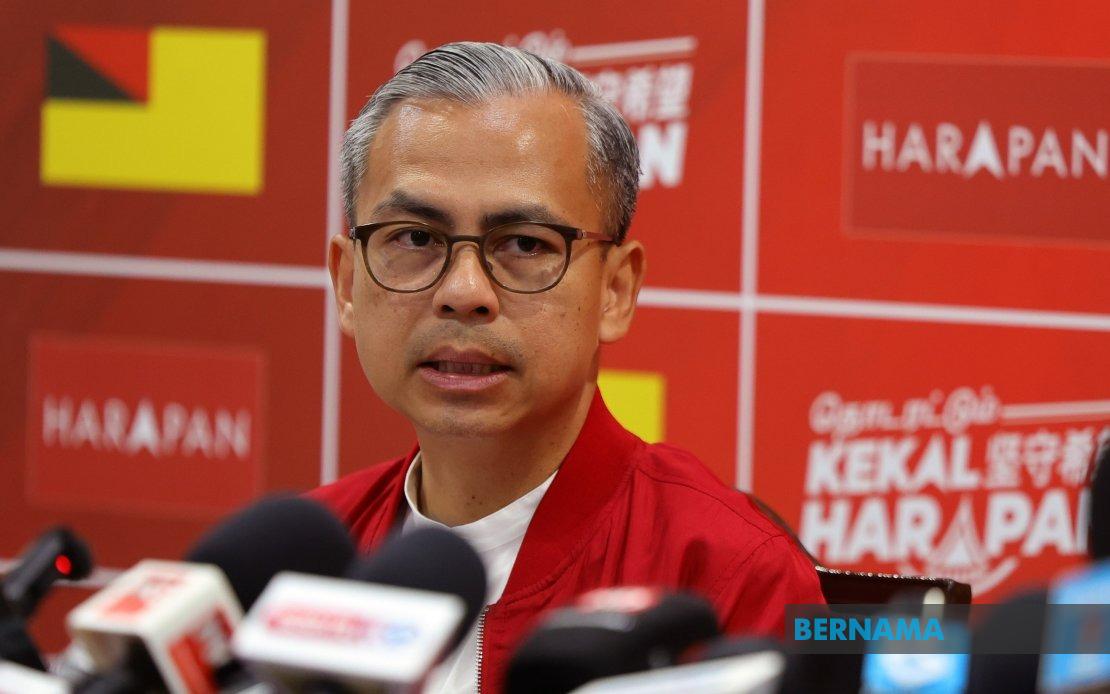
Pakatan Harapan has pushed back against an increasingly prevalent political narrative suggesting that only one faction can legitimately claim to represent Malaysia's Malay-Muslim interests, describing such framings as fundamentally at odds with the country's multicultural character and democratic principles. The coalition's communications chief Datuk Seri Fahmi Fadzil made this assertion during a campaign event in Seremban ahead of the Negeri Sembilan state election, pointing to the presence of numerous Malay-Muslim leaders within PH's ranks as evidence that the grouping maintains deep roots and credibility within this crucial demographic.
The statement carries particular weight given the timing, arriving as Negeri Sembilan voters prepare to cast ballots on August 1 following early voting on July 28. The contest has become a testing ground for broader questions about coalition representation and community interests, with competing narratives emerging about which political formation better serves different segments of Malaysia's electorate. Fahmi's intervention signals that PH intends to actively counter claims that Malay-Muslim voters have limited choices within the coalition framework or face marginalisation under its governance.
Fahmi presented his argument through specific examples of high-profile Malay-Muslim figures holding senior positions within the coalition. He questioned rhetorical suggestions that such leaders—himself included, alongside Amanah's Khalid Abdul Samad—do not qualify as genuine representatives of their community's interests. This line of reasoning challenges the implicit assumption that political legitimacy with Malay-Muslim voters automatically defaults to any single organisation, instead asserting that representation flows through multiple channels and leaders distributed across coalition structures.
The broader concern animating PH's response touches on what the coalition characterises as corrosive divisive politics. Fahmi argued that framing electoral choice in terms of ethnic or religious exclusivity contradicts Malaysia's foundational commitment to pluralism and interfaith cooperation. The coalition sees such messaging as deliberately polarising, designed to pressure voters into supporting particular candidates or groupings by suggesting that alternative choices somehow threaten their community's welfare or religious observance. This represents a fundamental disagreement about how electoral competition should function in a diverse democracy.
To substantiate claims that the Pakatan Harapan-led Unity Government respects Malay-Muslim interests, Fahmi cited concrete achievements within Negeri Sembilan's administration under Menteri Besar Datuk Seri Aminuddin Harun. The state government has constructed additional mosques and dramatically expanded zakat collections—rising approximately 150 percent compared with figures from the preceding administration. Such metrics matter significantly in Malaysian politics, as religious infrastructure investment and Islamic charitable collection represent tangible demonstrations of commitment to Muslim community welfare that resonate across diverse constituencies.
These achievements carry particular resonance because they directly counter narratives suggesting that non-traditional ruling coalitions inevitably neglect Islamic institutions or community interests. In Malaysia's competitive political environment, where claims about protecting Islam and Muslim welfare feature prominently in campaign messaging, documented improvements in mosque construction and zakat administration provide PH with defensible evidence that governance priorities align with community needs. The numbers themselves become political ammunition against suggestions that the coalition harbours indifference toward Islamic development.
Fahmi articulated PH's broader political philosophy as grounded in shared values rather than ethnic or religious category membership. The coalition advocates for what might be termed inclusive national unity—calling for Malay cohesion, Chinese cohesion, Indian cohesion, and broader Malaysian solidarity, but justified through appeals to collective wellbeing and moral principle rather than ethnic exclusivity. This framing attempts to occupy philosophical higher ground, positioning PH as transcending particularistic appeals while simultaneously engaging communities through their own frameworks and interests.
The distinction matters considerably for Malaysian political dynamics. One approach emphasises what different communities have in common and shared national projects; another mobilises voters by emphasising distinct community interests and threats to community welfare. Both exist within Malaysian political discourse, but PH is asserting that exclusive focus on the latter approach fundamentally misrepresents how modern Malaysia functions and what most voters actually prioritise when making electoral decisions. The coalition believes inclusive messaging need not sacrifice attention to specific community concerns.
The Negeri Sembilan context provides valuable real-world testing ground for these competing philosophical approaches. The state represents Malaysia in miniature—ethnically and religiously diverse, with significant Malay-Muslim populations but also substantial non-Muslim communities. Election outcomes here will indicate whether voters respond to narratives emphasising exclusive community representation or whether coalitional approaches emphasising pluralism while delivering concrete results for multiple constituencies can maintain political viability.
For broader Malaysian politics, these arguments reflect deeper questions about democratic legitimacy in plural societies. The stakes extend beyond Negeri Sembilan to national political competition, where questions of representation, inclusion, and community interest will continue shaping voter behaviour and coalition formation. How major political groupings address these tensions—whether through increasingly particularistic appeals or through frameworks emphasising shared citizenship and inclusive governance—will significantly influence Malaysia's political trajectory over coming years.

