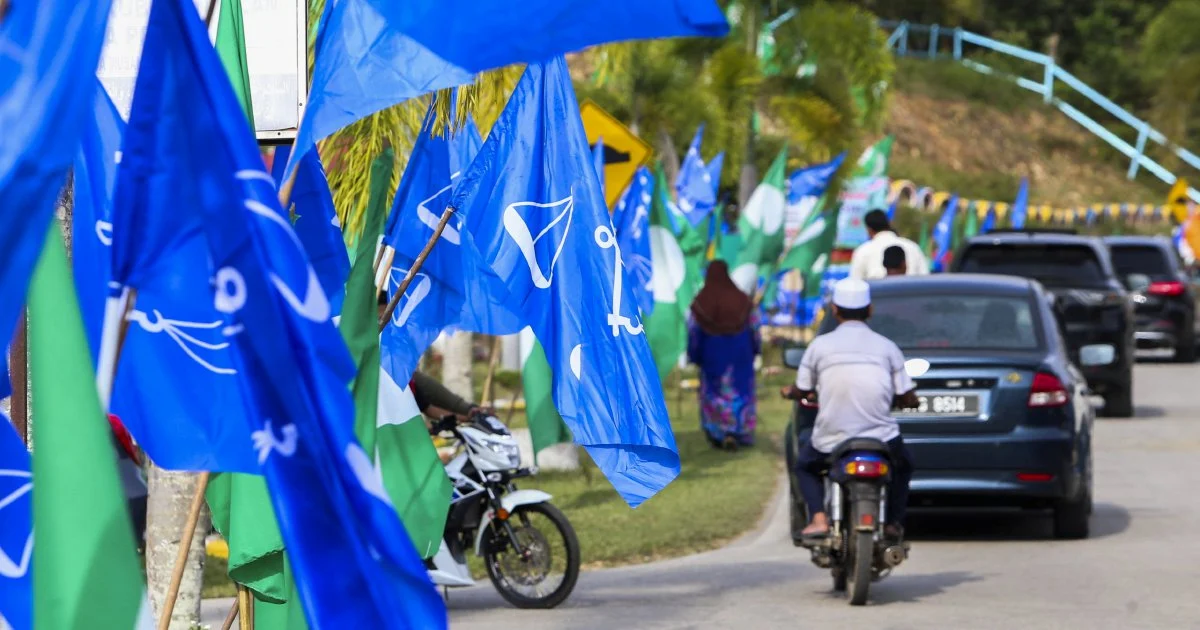
Malaysia's political establishment is bracing for electoral activity within the coming months, with senior party figures now publicly articulating expectations about the timing of the 16th general election. Datuk Mohd Amar Nik Abdullah, who holds the position of vice-president within Pas, has indicated that the polls are most likely to materialise between late October and November of this year, offering what appears to be an informed assessment from someone positioned within Malaysia's Islamic opposition movement.
The forecast arrives as the nation's political landscape continues its characteristic flux, with various factions positioning themselves ahead of what many analysts view as an inevitable electoral contest. Pas, as one of the leading Islamist political forces in the country, maintains considerable influence across multiple states and holds significant parliamentary representation. The party's senior leadership would ordinarily possess reasonable insight into government planning and the broader political calculations that inform the timing of general elections, lending credibility to such pronouncements from party figures.
Timing predictions for general elections carry profound implications for political strategists across Malaysia's diverse party system. An October or November election window would necessitate immediate intensification of campaign machinery, candidate finalisation, and resource mobilisation across all major contenders. The historical pattern of Malaysian elections demonstrates that parties typically require several months of preparation once electoral dates enter the realm of realistic possibility, suggesting that any announcement of such timing would trigger rapid institutional responses.
For governing coalitions currently holding power at federal and state levels, the selection of election timing represents a delicate calculus involving multiple competing considerations. Incumbent administrations must weigh factors including economic conditions, public sentiment on flagship policies, and the readiness of their organisational machinery. Conversely, opposition blocs like those involving Pas must manage expectations while simultaneously preparing their own ground-level operations in constituencies nationwide.
The seasonal context of an October-November election warrants examination, particularly within Malaysia's meteorological and social calendar. This period falls within the beginning of the monsoon season in peninsular Malaysia, which could present logistical challenges for campaign activities and voting operations, especially in states prone to flooding during this timeframe. However, it also represents a window when academic calendars have stabilised and religious obligations post-Aidilfitri have concluded, potentially facilitating higher voter turnout.
From a Southeast Asian perspective, Malaysian electoral timing holds regional significance beyond domestic boundaries. The nation's political stability and the nature of its government composition influence regional security architecture, investment confidence, and diplomatic alignments throughout the Association of Southeast Asian Nations. An electoral process that produces clarity and legitimacy can strengthen Malaysia's position within regional forums, whereas prolonged political uncertainty tends to diminish its influence on pressing issues affecting the broader region.
Pas's willingness to publicly articulate election timing expectations suggests internal confidence about the party's preparedness, or conversely, a strategic communication designed to signal readiness to both supporters and the broader electorate. The party has undergone considerable organisational evolution over recent years, consolidating its support base particularly in rural constituencies across the peninsular heartland and securing government partnerships at various state levels. Such positioning would theoretically benefit from an earlier rather than later electoral timeline, as the party's momentum in specific demographic segments remains relatively strong.
The economic implications of an October-November election deserve consideration, particularly as Malaysia navigates persistent inflation pressures and adjusting monetary policy conditions throughout the region. Electoral certainty, once achieved, typically allows markets and businesses to plan with greater confidence, potentially unlocking investment and business expansion that remained constrained during periods of political uncertainty. However, the campaign period itself may introduce volatility as competing visions for economic management compete for voter endorsement.
For Malaysian voters across all demographic segments, the prospect of elections within this timeframe necessitates attention to candidate selection processes within their respective constituencies. Whether voters ultimately perceive such timing as convenient or inconvenient often depends on how well parties communicate their visions for governance and how effectively they address concerns specific to particular communities. State-level variations in voter priorities—ranging from economic development in urban centres to agricultural support in rural zones—will significantly influence electoral dynamics across different regions.
The legislative calendar and parliamentary business cycles also intersect with general election timing considerations. An October-November election would conclude parliamentary activity several months before natural term completion, suggesting deliberate government action rather than electoral timing driven purely by constitutional requirements. Such deliberateness typically reflects calculations about optimal political positioning rather than circumstances imposed by statutory deadlines.
As preparation intensifies across Malaysia's political spectrum, Pas's articulation of these timing expectations contributes to the broader conversation about when electoral consolidation might occur. Whether the October-November window materialises precisely as predicted remains uncertain—Malaysian political history offers numerous examples of earlier-than-expected or delayed elections based on shifting circumstances and strategic recalculations by governing authorities.