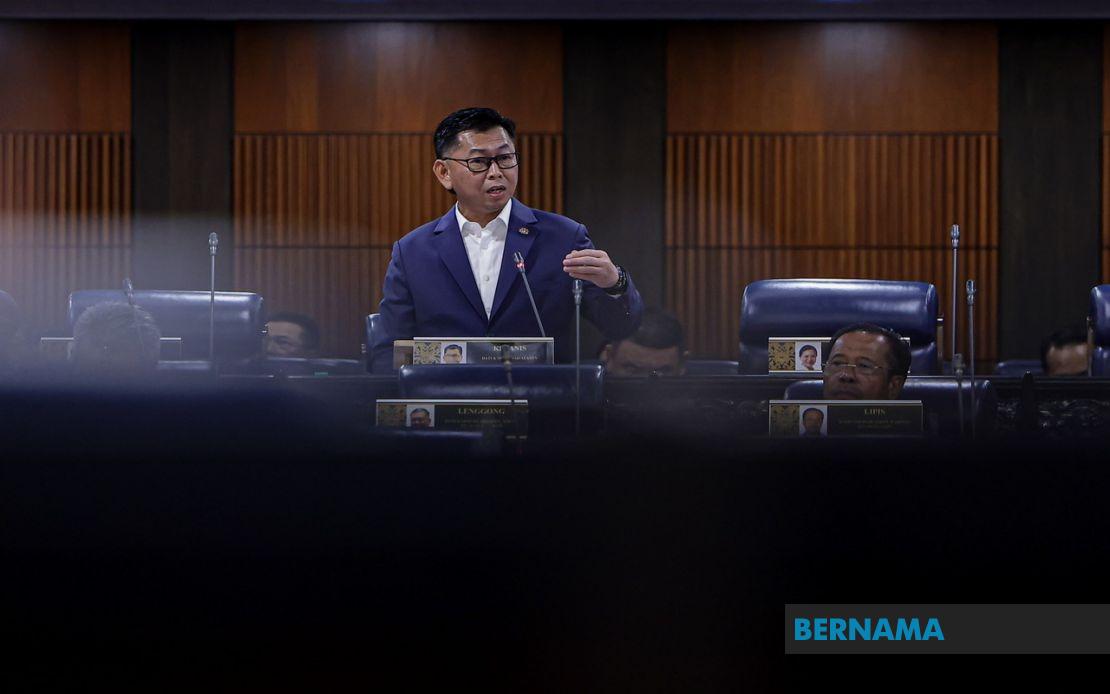
The Malaysian Ministry of Entrepreneur and Cooperatives Development (KUSKOP) has unveiled an ambitious strategic blueprint aimed at fortifying the nation's micro, small and medium enterprises in the digital economy. The MSME Strategic Plan 2030, revealed during parliamentary proceedings on June 24, represents the government's latest attempt to address structural disadvantages facing local online traders who must compete against international sellers operating with significantly lower cost bases. Deputy Minister Datuk Mohamad Alamin framed the initiative as a comprehensive response to the evolving competitive landscape, where Malaysian digital entrepreneurs face persistent challenges adapting to rapid market changes and managing operational expenses that often exceed those of their regional counterparts.
The strategic plan targets fundamental transformation across the MSME sector, moving beyond short-term relief measures toward building a sustainable, resilient business ecosystem. Rather than merely protecting local traders through tariffs or restrictions, KUSKOP's approach emphasises capability development and market access expansion. This philosophy reflects growing recognition within Malaysia's business policy establishment that MSMEs must become genuinely competitive rather than dependent on government subsidies or protective mechanisms. The plan acknowledges that operating cost disadvantages—particularly in areas such as logistics, payment processing, and platform fees—create persistent headwinds for entrepreneurs seeking to scale their digital operations regionally or globally.
Central to this strategy is MyMall, an e-commerce platform launched by KUSKOP in 2022 that has rapidly become a cornerstone of the government's MSME digitalisation effort. By eliminating traditional overhead costs associated with physical retail space or premium e-commerce platform fees, MyMall removes one significant barrier to market entry and expansion. As of May 31, the platform had attracted 5,776 registered traders and merchants, collectively generating RM24.5 million in cumulative sales. While these figures demonstrate meaningful traction within Malaysia's fragmented MSME landscape, they also highlight the substantial scale of the addressable market—millions of Malaysian entrepreneurs remain outside the digital economy or operate in isolation without coordinated support infrastructure.
Parallel to the MyMall initiative, KUSKOP has strategically partnered with TikTok Shop to provide livestream studio facilities for local sellers, recognising that short-form video commerce has become increasingly central to consumer purchasing behaviour, particularly among younger demographics. This collaboration represents sophisticated policy thinking about where commerce is actually happening in Southeast Asia, rather than attempting to redirect traffic to government-controlled platforms that may lack consumer adoption. The engagement metrics are instructive: 1,054 Malaysian digital entrepreneurs have utilised the TikTok Shop livestream facilities and generated approximately RM35 million in sales, indicating that social commerce infrastructure, when subsidised or made freely available, can significantly accelerate transaction volumes and entrepreneurial confidence.
The financial architecture supporting these initiatives extends through Bank Rakyat, the development-focused financial institution under KUSKOP's purview. The Jajahan Rakyat programme has digitalised 627 rural entrepreneurs while mobilising RM610.6 million in financing allocation. This component of the broader strategy addresses a critical equity concern: rural entrepreneurship often faces disproportionate barriers to digital adoption due to limited access to technical expertise, unreliable internet infrastructure, and insufficient capital. By combining subsidised digital infrastructure access with tailored financing solutions, KUSKOP attempts to ensure that Malaysia's digital economy dividend does not concentrate exclusively in urban centres.
The policy response outlined by Deputy Minister Mohamad Alamin implicitly acknowledges a fundamental challenge facing policymakers across Southeast Asia. Foreign e-commerce platforms and international sellers often operate with cost structures—whether through economies of scale, advantageous tax arrangements, or lower labour costs in origin countries—that local entrepreneurs cannot replicate through effort alone. Rather than pursuing protectionist measures that could invite international trade disputes or reduce consumer choice, Malaysia has chosen to level the playing field through targeted infrastructure investment and capability building. This approach carries both promise and limitations: it can create genuine competitive advantage, but only if the underlying quality, product differentiation, and service standards of local entrepreneurs improve commensurately.
The articulation of this strategic direction during parliamentary question time carries political significance within Malaysia's context. The query from Mohd Kurniawan Naim Moktar (BN-Kinabatangan) reflected constituency concerns about rural and small-town traders facing digital disruption. By responding with concrete figures, active programmes, and forward-looking plans, Deputy Minister Alamin positioned the government as actively engaged with MSME concerns rather than dismissive of them. This responsiveness matters for political legitimacy, particularly in constituencies where traditional commerce has faced sustained pressure from e-commerce disruption over the past decade.
Looking outward, the MSME Strategic Plan 2030 positions Malaysia within a broader regional conversation about inclusive digitalisation. Countries throughout Southeast Asia—from Indonesia to Thailand to the Philippines—have recognised that MSME competitiveness increasingly determines national economic resilience and regional trade dynamics. Malaysia's emphasis on removing cost barriers, providing free or subsidised platform access, and extending digital infrastructure to rural areas represents one model for managing this transition. The success of this approach will depend critically on execution quality, continued investment allocation, and the ability of programmes to reach underserved entrepreneur cohorts beyond the early adopters already leveraging platforms like MyMall.
The underlying economic logic reflects sound policy reasoning: by reducing entry and operating costs for digital commerce, KUSKOP expands the entrepreneur population capable of participating in formal e-commerce ecosystems. This expansion generates data, facilitates learning within the MSME community, and creates clustering effects that strengthen the entire sector. However, cost reduction alone cannot substitute for fundamental improvements in product quality, customer service standards, and supply chain reliability. The strategic plan's long-term impact will ultimately depend not just on infrastructure provision but on whether it catalyses genuine productivity improvements and innovation within Malaysian MSMEs. The next critical benchmark will be tracking whether the entrepreneurs utilising these platforms progress toward sustainable, independent operation or whether they remain dependent on government subsidy indefinitely.