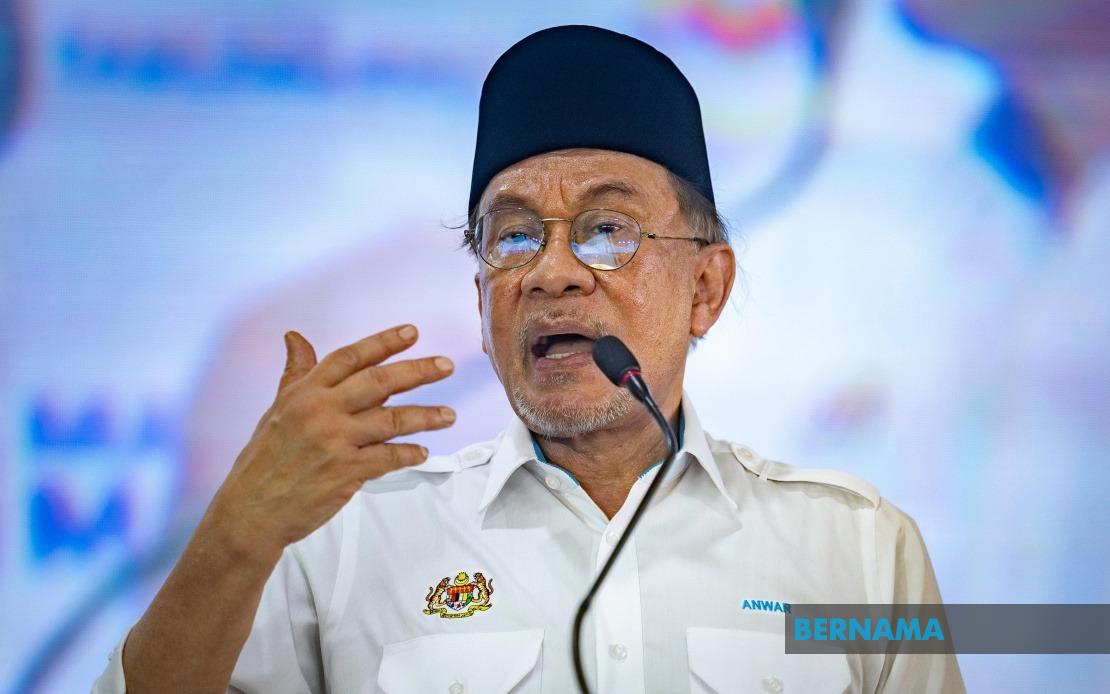
Prime Minister Datuk Seri Anwar Ibrahim has reaffirmed the government's commitment to modernizing and strengthening Islamic religious schools and traditional pondok institutions nationwide, signalling a comprehensive development strategy for faith-based education at a gathering in Perak. Speaking at the 2026 Perak Pondok and Religious Schools Gathering in Ipoh on July 19, Anwar outlined how the MADANI Government views these establishments not merely as repositories of classical Islamic knowledge, but as institutions capable of competing in the contemporary education landscape.
The Prime Minister acknowledged a historical weakness in pondok education, noting that while these schools once served as vital educational centers within their communities, they struggled to maintain relevance as Malaysia underwent rapid modernization and economic transformation. Many pondok institutions found themselves unable to equip students with competencies in emerging fields beyond traditional Islamic studies, creating an educational gap that threatened their sustainability and appeal to families seeking comprehensive skill development for their children.
Yet Anwar praised the resilience and adaptive capacity demonstrated by religious teachers, pondok leaders, and tok guru across the nation, who have begun bridging this divide. These educators have shown willingness to embrace technological innovation—including artificial intelligence and computer science—while simultaneously preserving the classical Islamic texts, methodologies, and spiritual traditions that form the foundation of pondok education. This dual commitment represents a philosophical stance that religious education need not remain isolated from secular disciplines, but rather can integrate both seamlessly.
The government's support for this transformation extends beyond rhetorical backing. Anwar specifically acknowledged the collaborative efforts of Malaysia Digital Economy Corporation (MDEC) and the Implementation Coordination Unit (ICU) under the Prime Minister's Department, crediting both bodies with providing practical assistance in upgrading infrastructure and curricula within religious schools. This institutional cooperation demonstrates a coordinated approach to translating policy intent into tangible improvements at the grassroots level.
Anwar's pledge came with an implicit condition tied to national economic stability. He indicated that sustained government investment in pondok and religious school enhancement depends on Malaysia maintaining its current health and economic trajectory. This conditional framing reflects fiscal realities governing budget allocation, though it also introduces an element of uncertainty regarding long-term funding commitments. The statement suggests that while the political will exists, competing budgetary priorities could influence the pace and scale of implementation.
The Prime Minister specifically referenced his dialogue with Sheikh Wazir Che Awang Al-Makki, a prominent religious scholar from Kelantan, framing the government's intentions within consultation with recognized Islamic authorities. This approach emphasizes legitimacy within religious circles and suggests the government is not unilaterally imposing modernization but rather working collaboratively with respected ulama and educators.
For Malaysia's Islamic education sector, this commitment carries substantial implications. Pondok schools serve millions of students across the country, particularly in rural areas where alternative educational options remain limited. Their modernization could enhance employment prospects for graduates while maintaining cultural and religious continuity. A pondok education that successfully integrates technology skills alongside Islamic jurisprudence would produce graduates equipped for both religious leadership and professional employment in knowledge-based industries.
Regionally, Malaysia's approach to modernizing Islamic education offers a model that neighboring countries with similar pondok traditions—particularly Thailand and Brunei—might observe closely. Successfully balancing traditionalism with technological advancement in faith-based schools addresses challenges faced throughout Southeast Asia's Islamic education landscape.
The gathering's attendees included Perak Menteri Besar Datuk Seri Saarani Mohamad, Minister in the Prime Minister's Department (Religious Affairs) Dr Zulkifli Hasan, and Chief Secretary to the Government Tan Sri Shamsul Azri Abu Bakar, indicating high-level government engagement with the pondok education portfolio. This ministerial attendance suggests religious education is being treated as a priority within national governance rather than a peripheral concern.
Moving forward, the government's success in upgrading pondok institutions will depend on translating these commitments into concrete curriculum reforms, teacher training programs, and infrastructure investments. Anwar's emphasis on collaboration with MDEC and ICU suggests a digital-first approach to modernization, potentially offering pondok students exposure to AI and technology sectors where Malaysia seeks to build competitive advantage.
The challenge ahead involves maintaining the distinctive character and spiritual mission of pondok education while equipping students for contemporary employment markets. This requires careful calibration of curricula, thoughtful teacher development, and sustained financial commitment. The MADANI Government's public pledges suggest awareness of this balance, though implementation will test whether rhetoric translates into policy effectiveness and resource allocation across Malaysia's diverse and decentralized pondok school network.

