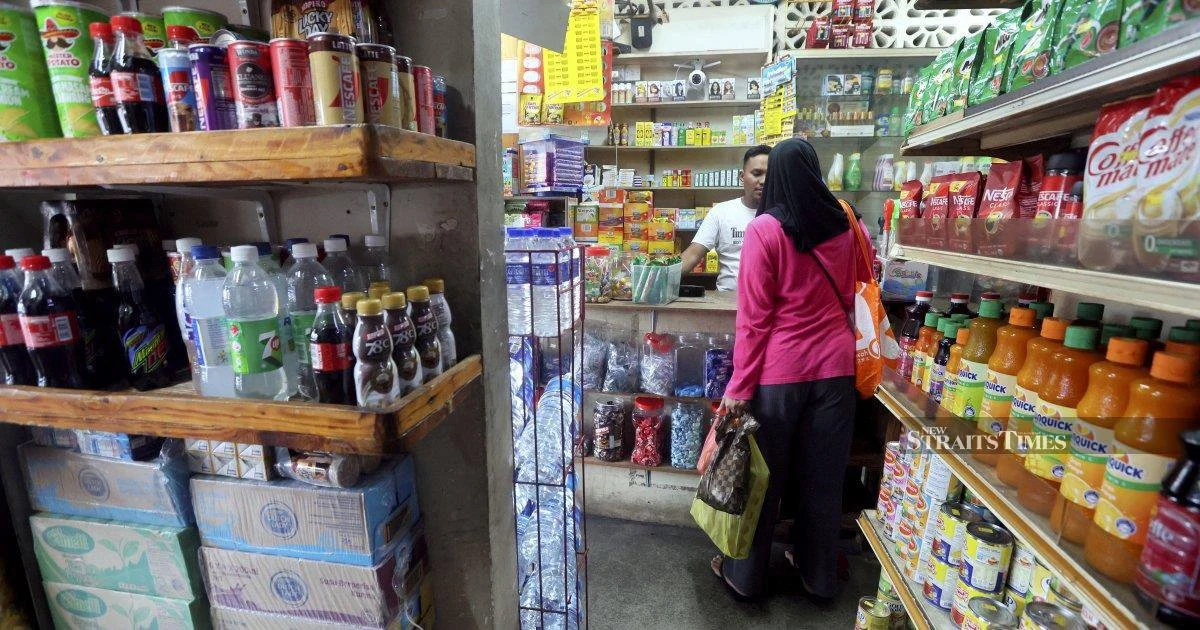
Malaysia's inflation environment is settling into a manageable state for now, yet the nation's price stability rests on precarious foundations shaped by forces largely beyond domestic control. While immediate inflationary pressures show signs of moderation, the underlying economic structure exposes the country to sudden shocks stemming from volatile global commodity markets and currency fluctuations—risks that could rapidly unravel the current equilibrium.
The tempering of inflation in the near term reflects a convergence of favourable conditions: moderating global energy prices, cooling supply chain disruptions from pandemic-era constraints, and steady domestic demand management through monetary policy. These tailwinds have allowed Malaysian inflation to settle within a relatively comfortable band, easing pressure on the central bank to maintain elevated interest rates and providing some relief to households and businesses struggling with cost pressures. However, this respite should not be mistaken for long-term stability, as several structural vulnerabilities lurk beneath the surface.
Malaysia's economy is inherently exposed to commodity price movements in ways that more diversified, service-oriented economies are not. As a significant petroleum and natural gas exporter, the country's fiscal revenues and export earnings fluctuate with global energy markets. Additionally, Malaysia imports substantial quantities of food and raw materials, meaning international price spikes directly feed through to domestic consumer prices. This structural reliance on commodity imports creates a transmission mechanism through which global inflation can penetrate the domestic economy regardless of local conditions.
The ringgit's performance against major currencies introduces another critical vulnerability. Currency weakness amplifies imported inflation by making foreign purchases more expensive in ringgit terms, while strength can undermine export competitiveness and government commodity revenues. Throughout 2022 and 2023, the ringgit experienced notable volatility, reflecting broader emerging-market currency pressures and shifts in capital flows. Any sustained depreciation could quickly reverse the modest inflation gains achieved in recent months, placing renewed pressure on the central bank's policy framework.
Geopolitical tensions and disruptions to critical shipping routes present additional risks that policymakers must monitor closely. The Red Sea tensions and ongoing Middle East complications have demonstrated how quickly maritime disruptions can trigger inflationary spikes across Asia-Pacific economies. Malaysia, as both an exporter and importer, faces particularly acute exposure to such supply chain shocks, which could rapidly transmit inflation into the domestic economy through energy costs and manufacturing inputs.
The central bank's policy response to this environment requires careful calibration. While headline inflation appears manageable, underlying price pressures in domestically-driven sectors like services and housing remain persistent. The challenge lies in maintaining sufficient monetary tightness to anchor expectations and prevent wage-price spirals, while avoiding the growth-dampening effects of excessively restrictive policy. This balancing act becomes more difficult when external shocks threaten to overwhelm domestic economic fundamentals.
For Malaysia's business sector, the current stability provides a window for adjustment and planning, but contingency frameworks must remain robust. Corporations exposed to commodity price fluctuations or significant foreign exchange transactions face ongoing hedging costs and earnings volatility. Supply chain managers must continue building resilience against future disruptions, whether from geopolitical sources or climate-related events that threaten agricultural exports and food supplies.
Regional comparisons reveal that Malaysia's inflation profile sits between more vulnerable peers and those with greater insulation from global shocks. Vietnam and the Philippines, with less developed financial markets and smaller commodity export bases, experience more volatile price dynamics. Conversely, Singapore's diversified economy and stronger currency provide greater buffers against external pressures. Malaysia occupies a middle position, with sufficient economic diversification to avoid the worst outcomes, yet insufficient to ignore commodity and currency risks entirely.
Longer-term structural responses must address this vulnerability. Diversifying the economic base away from commodity dependence, deepening financial market development to better manage currency risks, and building strategic reserves to cushion commodity price shocks would all strengthen Malaysia's inflation resilience. Meanwhile, investing in agricultural capacity and food security reduces exposure to global food price volatility, a particularly pressing concern given climate change impacts on global harvest patterns.
The current benign inflation environment should not breed complacency within policymaking circles. While headline numbers appear satisfactory, the underlying architecture of Malaysia's economy remains exposed to sudden, dramatic shifts in external conditions. Policymakers, businesses, and households must appreciate that today's stability reflects a temporary alignment of global conditions rather than a fundamental transformation of the structural vulnerabilities that have long characterised the Malaysian economy's relationship with international commodity and currency markets.

