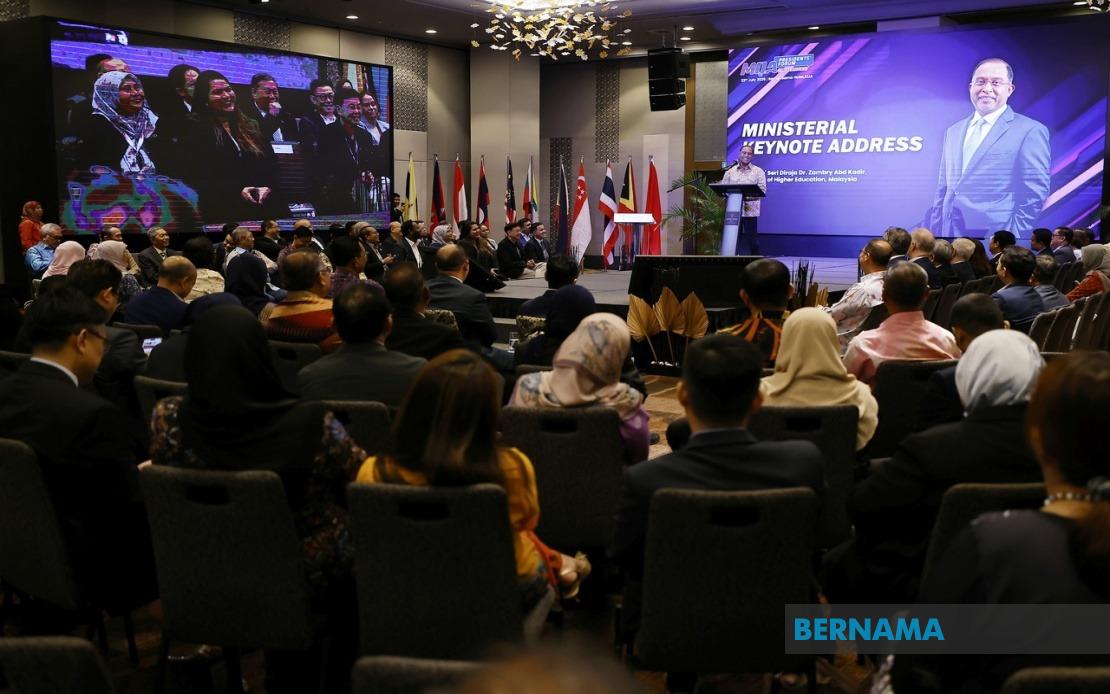
The Ministry of Higher Education (MOHE) has committed to resolving a growing accommodation shortage at polytechnics nationwide, with Higher Education Minister Datuk Seri Dr Zambry Abd Kadir announcing a comprehensive maintenance and repair programme at the 2026 Malaysian Qualifications Agency (MQA) Presidents' Forum in Sepang on July 23. The initiative targets hostel facilities identified as requiring urgent renovation, reflecting the ministry's acknowledgement that infrastructure has not kept pace with surging student demand.
The accommodation crisis has emerged unexpectedly as a consequence of the government's deliberate effort to steer more Sijil Pelajaran Malaysia (SPM) certificate holders towards technical and vocational education and training (TVET) pathways. Rather than viewing the housing shortage as a setback, Dr Zambry framed the situation as evidence of the policy's remarkable success, noting that polytechnics recorded over 125 per cent of their anticipated application intake during the first round of the 2026/2027 academic session. This unprecedented enthusiasm reflects a significant cultural shift in how Malaysian school leavers perceive vocational and skills-based education.
The statistics underscore the magnitude of this shift. A total of 30,488 new students registered across polytechnics nationwide on June 22, substantially exceeding intake targets and straining existing infrastructure. This represents a watershed moment for Malaysia's technical education sector, which has historically struggled to attract sufficient numbers of qualified candidates relative to the country's workforce development needs. The surge indicates that coordinated government messaging and scholarship initiatives have successfully repositioned vocational pathways as legitimate and desirable alternatives to traditional university education.
Dr Zambry disclosed that MOHE had already submitted formal requests to the government to proceed with repair works at several polytechnics identified as facing maintenance backlogs. These facilities, particularly older hostel buildings that house students, have deteriorated to levels that compromise living conditions. The ministry's approach acknowledges that rapid expansion has exposed infrastructure gaps that were tolerable under lower occupancy rates but become untenable when student numbers spike dramatically. Rather than construction of new facilities, the immediate priority is remedying existing structures through targeted repair programmes.
The Polytechnic and Community College Education Department director-general Dr Shamsuri Abdullah has received instructions to implement urgent operational measures addressing both student placement logistics and hostel allocation challenges. This delegation of responsibility to senior departmental management indicates MOHE's intention to move beyond general policy announcements toward concrete implementation. The coordination between ministerial directives and departmental execution will prove critical in mitigating student hardship during what remains a transitional period for the sector.
For Malaysian students and families, this situation presents both opportunities and near-term challenges. The successful recruitment drive validates government confidence in polytechnic quality and employment prospects, signalling positive labour market demand for technical graduates. However, students admitted during this transition period may experience substandard living conditions if repair works face implementation delays. The ministry's explicit acknowledgement of the problem suggests awareness that deferring action could damage the sector's reputation precisely when enrolment momentum is strongest.
The accommodation issue also highlights broader planning constraints within Malaysia's higher education infrastructure. Polytechnics, which operate under different governance frameworks than universities, have received less capital investment historically despite their growing strategic importance to workforce development. The sudden surge in applications has revealed that facilities planning lagged actual demand by several years. This gap underscores the need for more sophisticated demand forecasting and proactive infrastructure investment cycles that anticipate policy-driven shifts in student distribution.
Regionally, Malaysia's experience reflects broader Southeast Asian trends toward expanding technical education capacity. Countries including Thailand, Vietnam and Indonesia have similarly prioritised TVET expansion to support manufacturing and services sectors requiring skilled workers. Malaysia's challenge mirrors difficulties encountered elsewhere when demand rapidly exceeds supply. How effectively MOHE manages this transition could influence other nations' approaches to accelerating technical education uptake.
The ministry's willingness to publicly acknowledge infrastructure deficiencies demonstrates maturity in government communication around policy implementation. Rather than minimising or obscuring accommodation issues, Dr Zambry reframed them as evidence of policy success, which may enhance public confidence that genuine effort is underway to resolve practical problems. Transparency about challenges, coupled with concrete commitments regarding repair timelines, typically builds stakeholder trust better than avoiding discussion of difficulties.
Looking forward, the sustainability of polytech growth depends on whether MOHE can maintain momentum while systematically improving physical infrastructure. Hostel repairs represent the immediate priority, but longer-term success requires sustained capital allocation for classroom facilities, workshop equipment and recreational spaces. The 125 per cent application achievement represents exceptional recruitment success, but retaining students through graduation requires matching educational quality and campus experience to heightened expectations.
For policymakers designing technical education expansion strategies, Malaysia's situation offers important lessons about the critical importance of coordinating demand stimulation with supply-side infrastructure preparation. Successful policy implementation requires not merely legislative change or ministry initiatives, but careful attention to unglamorous logistics including student housing. The government's response to these accommodation challenges will significantly influence whether the current surge in polytechnic applications translates into sustained enrolment growth or represents a temporary spike followed by declining interest if living conditions deteriorate.

