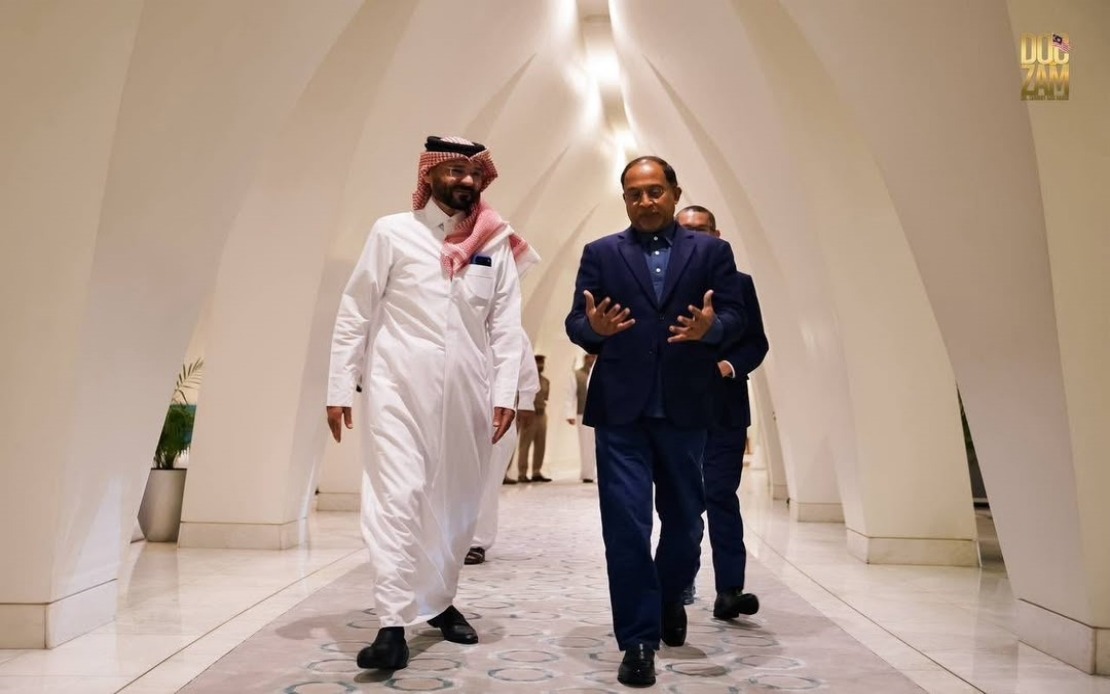
Datuk Seri Dr Zambry Abd Kadir, Malaysia's Higher Education Minister, touched down in Doha on Tuesday morning to serve as the official Malaysian government representative at funeral ceremonies for Qatar's former ruling figure, Sheikh Hamad bin Khalifa Al Thani. The visit reflects the diplomatic significance Malaysia places on honouring the passing of senior regional leaders and maintaining strong bilateral ties with the Gulf state.
The Father Amir of Qatar died on Sunday morning at the age of 74, according to an announcement by Qatar's Amiri Diwan on the same day. His death marks the end of an era for the peninsula's political landscape, as he had been a towering figure in Gulf politics for nearly two decades. The passing of such a prominent regional statesman prompted governments across the Middle East and beyond to dispatch senior officials to pay their respects, underlining his influence and importance to the broader geopolitical sphere.
Zambry announced through a Facebook statement that he would be meeting with the incumbent Amir of Qatar, Sheikh Tamim bin Hamad Al Thani, at the Lusail Palace during Tuesday. This audience with the current leadership represents both a gesture of sympathy and an opportunity to reaffirm Malaysia's commitment to strengthening relations with Qatar under its present administration. Such diplomatic visits often serve as occasions to discuss mutual interests and cooperation between nations.
In his remarks, Zambry conveyed Malaysia's formal condolences to Qatar's leadership and population, stating that the nation "extends its deepest condolences to the leadership and the people of Qatar for the passing of the Father Amir, Sheikh Hamad bin Khalifa Al Thani." This expression of sympathy represents the Malaysian government's official position during the period of mourning in Qatar and demonstrates the respect Malaysian officials hold for the late Amir's legacy and contributions to regional stability.
Sheikh Hamad's tenure as Qatar's supreme leader spanned nearly two decades, beginning in 1995 and concluding in 2013 when he voluntarily transferred authority to his son. This 18-year period witnessed significant transformations in Qatar's economy, international standing, and influence throughout the Middle East. The transition of power to Sheikh Tamim, which occurred through deliberate succession rather than through conflict or external pressure, was considered a relatively smooth handover by regional standards and reflected the stability of Qatar's governance structure.
Quatar declared a four-day period of official mourning commencing on Sunday, July 12, to honour the late Amir's memory and legacy. During this extended mourning period, all government ministries, official entities, and public institutions throughout Qatar remained closed, symbolizing the nation's collective recognition of their departed former leader's historical importance. This comprehensive shutdown of government operations underscores the ceremonial significance attached to the passing of a former head of state in the Gulf region.
The timing of Zambry's dispatch to Doha reflects Malaysia's awareness of the importance of bilateral relations with Qatar, a strategically positioned Gulf nation with considerable economic and political influence. Qatar hosts significant numbers of Malaysian workers and students, and the two nations maintain substantial commercial and cultural exchanges. By ensuring high-level governmental representation at such significant state occasions, Malaysia demonstrates its commitment to preserving and strengthening its partnerships within the Gulf Cooperation Council sphere and beyond.
Sheikh Hamad's death also carries broader implications for understanding leadership continuity in the Gulf region. His decision to hand power to his son marked a departure from some regional patterns and established a precedent for managed succession in Qatar. During his administration, Sheikh Hamad oversaw Qatar's emergence as a major economic player through investments in energy infrastructure, sports, and international affairs, including hosting major global events that elevated the nation's profile considerably.
The presence of Malaysian representation at the funeral ceremonies reflects the interconnected nature of modern regional diplomacy, where even a nation thousands of kilometres away recognizes the importance of acknowledging significant transitions in neighbouring regions. For Malaysian readers, particularly those with connections to Qatar or interests in Gulf affairs, such diplomatic missions underscore how Malaysia remains actively engaged in maintaining respectful relationships with key players in international relations, even during periods of transition in neighbouring states' leadership.

