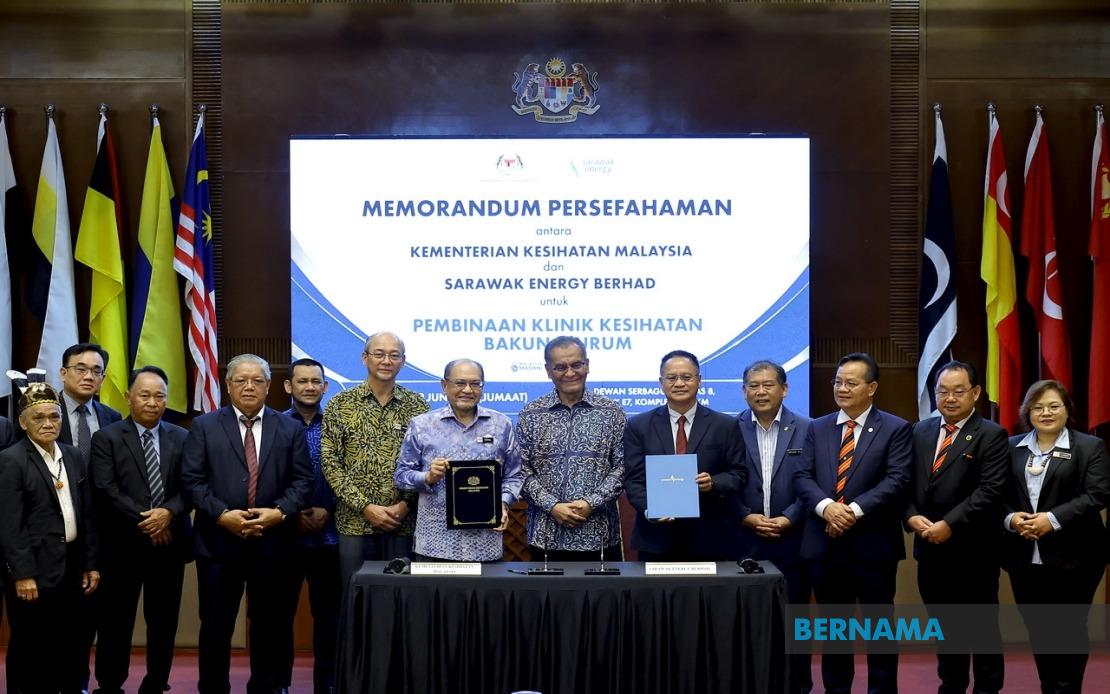
Malaysia's Health Ministry has moved into the concluding phase of addressing systemic obstacles that have impeded the development and training of medical specialists, Health Minister Datuk Seri Dr Dzulkefly Ahmad announced here on Tuesday. Speaking after the ministry signed a memorandum of understanding with Sarawak Energy for a new health facility, Dr Dzulkefly acknowledged that bureaucratic constraints exist within the healthcare system but assured that all identified bottlenecks are being systematically resolved. The minister emphasised that the ministry is determined to accelerate the production of more medical specialists to strengthen Malaysia's healthcare workforce, signalling heightened urgency around a long-standing challenge affecting the nation's medical establishments.
The acknowledgement comes as Malaysia contends with a reported shortage of approximately 11,000 medical specialists across its healthcare landscape, a figure encompassing both government-run and privately-operated facilities. This deficit represents a significant strain on the public healthcare system's capacity to respond to rising patient numbers and complex medical demands. The shortage has become increasingly visible in tertiary hospitals and specialised centres, where workload pressures have mounted considerably. For Malaysian patients seeking specialist care, especially in tertiary facilities, the gap between available expertise and demand has translated into longer waiting periods and challenges in accessing timely treatment across multiple medical disciplines.
Dr Dzulkefly articulated a measured approach to expanding the specialist workforce, one that eschews rapid recruitment in favour of strategic, phased implementation closely aligned with infrastructure expansion. He stressed that growing the cadre of specialists cannot proceed in isolation from the concurrent development and upgrading of healthcare facilities and supporting infrastructure. This synchronisation approach reflects a recognition that deploying specialists without adequate institutional infrastructure, equipment, and support systems would prove counterproductive. The ministry's planning framework therefore couples workforce expansion with facility modernisation, ensuring that new specialists have appropriate working environments and resources to function effectively. This constraint-based approach has both merits—sustainability and quality control—and drawbacks, as it means addressing the shortage takes longer than immediate recruitment might suggest.
The phased expansion strategy is being calibrated to respond to current operational priorities and projected healthcare requirements across different regions. Rather than implementing uniform increases nationwide, the ministry is tailoring specialist development to areas where demand and infrastructure readiness align most closely. This targeted approach allows the ministry to concentrate resources where they will generate the most immediate benefits for patient care while laying groundwork for broader expansion. However, this methodology also means that regions with acute specialist shortages but underdeveloped infrastructure may experience continued gaps in specialist availability during the interim period.
To bridge the gap between current capacity and evolving demand, the Health Ministry has adopted a cluster crisis management system as a temporary operational framework. This approach fundamentally reorganises how healthcare personnel are deployed and how resources are distributed across hospital groupings. Within designated clusters, neighbouring hospitals and primary health facilities collaborate more closely, sharing expertise and coordinating patient referrals to optimise the use of available specialists. Personnel can be repositioned between facilities based on urgent operational requirements, allowing the ministry to concentrate specialist expertise where patient volume and clinical urgency are greatest at any given time.
The cluster system represents an adaptive management response to workforce constraints, enabling the ministry to maintain healthcare continuity despite specialist shortages. Facilities within a cluster can jointly plan surgical schedules, rotate specialists between centres to cover multiple locations, and establish rapid referral pathways to ensure patients access appropriate specialist expertise. This organisational restructuring partially mitigates the impact of understaffing, though it simultaneously increases demands on individual specialists who must now manage broader geographic areas and potentially larger patient populations. The psychological and physical toll on healthcare workers operating within such systems remains a concern, particularly as the interim measures may persist for several years depending on the pace of infrastructure development.
Dr Dzulkefly underscored the critical importance of maintaining uninterrupted healthcare delivery despite the acknowledged pressures affecting the medical workforce. He recognised that healthcare professionals are bearing significant burdens as they cope with escalating patient numbers and demand-supply imbalances across multiple specialties. The minister's public acknowledgement of workforce strain suggests government awareness that burnout and attrition among medical specialists could compound existing shortages if working conditions and support systems are not urgently enhanced. The interim cluster management approach, while practical, does not directly address underlying workforce fatigue or the systemic conditions driving specialist emigration and career dissatisfaction.
The initiative to enhance specialist training pathways holds particular significance for Southeast Asia's healthcare landscape, given regional competition for medical talent. Malaysia's capacity to develop and retain specialists affects not only domestic healthcare capacity but also regional brain drain dynamics. Neighbouring countries actively recruit Malaysian-trained specialists, creating a secondary challenge beyond training bottlenecks. By streamlining specialist training pathways and removing bureaucratic impediments, Malaysia aims to accelerate the transition from medical graduate to fully qualified specialist, potentially reducing the window during which ambitious doctors consider overseas opportunities. This regional dimension makes specialist workforce development increasingly important for Malaysia's long-term healthcare security and professional competitiveness.
The ministry's commitment to resolving identified constraints within the near term suggests that reform proposals are substantive rather than rhetorical. The bureaucratic issues identified likely encompass credentialing processes, training program accreditation, examination procedures, and institutional authorisation frameworks that currently extend specialist qualification timelines. Streamlining these administrative pathways could expedite specialist production without requiring immediate major infrastructure investments, making it a logical first phase in comprehensive workforce development. However, the absence of specific timelines or quantified targets for specialist recruitment makes it difficult to assess whether the ministry's efforts will meaningfully close the 11,000-specialist gap within a defined period.
Looking forward, Malaysia's specialist shortage resolution will require sustained commitment across multiple fronts simultaneously. Bureaucratic reform must proceed alongside infrastructure development, compensation improvements, and workplace condition enhancements if the country is to successfully attract and retain the specialists its healthcare system requires. The cluster crisis management system provides breathing room but cannot serve as a permanent solution. International recruitment may play a supplementary role, though reliance on foreign specialists introduces its own complexities around language, cultural competence, and professional integration. For Malaysian patients and healthcare institutions, the coming months will reveal whether the ministry's final-stage reforms translate into meaningful expansion of specialist availability.

