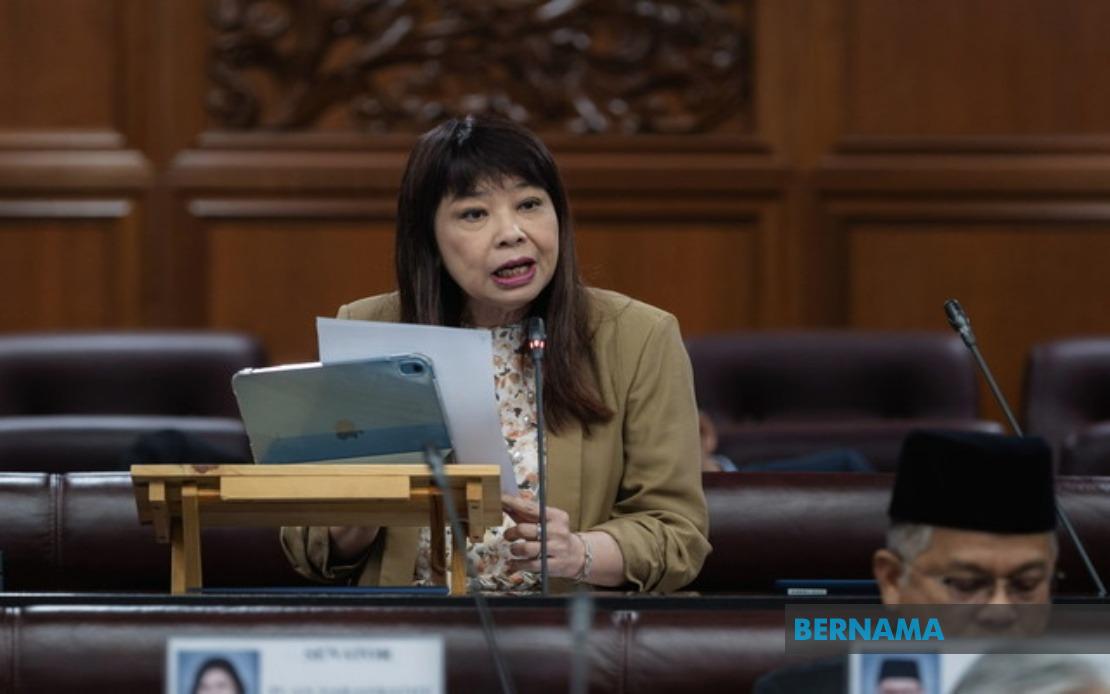
Malaysia is moving toward establishing a comprehensive tracking system for domestic violence offenders as part of a government-wide effort to disrupt patterns of repeated abuse. Deputy Women, Family and Community Development Minister Lim Hui Ying disclosed that the Women, Family and Community Development Ministry (KPWKM) is collaborating with the Royal Malaysia Police (PDRM) and the judiciary to develop mechanisms for recording and monitoring serial offenders, a development announced during parliamentary Question Time in the Dewan Negara.
The initiative addresses a critical gap in Malaysia's domestic violence prevention infrastructure. Presently, the country lacks a centralised, accurate data system to identify patterns of repeat offences, which hampers enforcement agencies' ability to anticipate and prevent escalating abuse. By creating a coordinated registry accessible to relevant authorities, the government aims to implement interventions before situations deteriorate into serious harm or fatalities.
The registry proposal reflects international best practices adopted in countries like the United States, Canada, and parts of Europe, where offender databases have demonstrated effectiveness in reducing recidivism rates and enhancing victim safety. However, Malaysian authorities must balance public safety objectives with privacy considerations and rehabilitation principles embedded in the Malaysian legal system. The involvement of the judiciary in designing the framework suggests officials are conscious of ensuring legal due process and avoiding arbitrary inclusion or discriminatory application.
Lim emphasised that the proposed registry would operate through existing criminal records infrastructure or be developed as a dedicated database, depending on technical and legislative feasibility. The flexibility in approach indicates government sensitivity to implementation challenges, particularly the need for inter-agency data-sharing protocols and cybersecurity safeguards. Successfully integrating police, court, and community development agencies requires establishing standardised definitions of qualifying offences, data governance rules, and access permissions.
Beyond tracking mechanisms, the government is investing substantially in victim protection infrastructure. KPWKM has earmarked RM2.1 million this financial year for upgrading government-run shelters nationwide, demonstrating commitment to strengthening the physical and psychological safety of abuse survivors. According to Social Welfare Department (JKM) records as of July 2026, Malaysia operates 43 approved shelters under the Domestic Violence Act 1994, comprising 39 government facilities and four NGO-operated centres, though many facilities reportedly require renovation and modernisation.
These upgrades address longstanding concerns about shelter capacity and conditions. Domestic violence shelter networks in Malaysia have faced chronic underfunding and overcrowding, forcing some facilities to turn away victims during crisis situations. Enhanced shelters with improved security, counselling spaces, and recreational facilities create safer environments where traumatised individuals can stabilise and access pathway services, including legal assistance and retraining programmes.
The legal protection framework already available to victims is expanding through improved service delivery. JKM assists domestic violence survivors in obtaining Emergency Protection Orders (EPOs), which can be issued within two hours when immediate danger is assessed, providing rapid judicial intervention during crisis moments. The availability of Interim Protection Orders (IPOs) and Protection Orders (POs) through the court system offers longer-term legal safeguards, though navigating these processes often requires guidance that many isolated victims lack.
The comprehensive approach outlined by Lim reflects emerging recognition that domestic violence prevention demands coordinated action spanning law enforcement, judiciary, social welfare, community organisations, and civil society. Malaysia's "whole-of-government and whole-of-society" framing aligns with international public health models treating domestic violence as a systemic issue rather than an individual failing. This perspective opens space for prevention education in schools, workplace training programmes, community awareness campaigns, and intervention protocols engaging neighbours and extended families.
However, challenges remain substantial. Malaysia's domestic violence reporting rate is believed significantly underrepresented, with cultural stigma and economic dependence discouraging victims from seeking help or pursuing prosecution. An offenders registry functions effectively only when cases are reported and perpetrators prosecuted, requiring parallel initiatives to encourage disclosure and strengthen conviction rates. Police training, victim-sympathetic investigation procedures, and access to legal aid all require investment.
The registry proposal also raises important questions about rehabilitation and social reintegration. While monitoring repeat offenders serves legitimate public safety purposes, evidence-based interventions—such as batterer intervention programmes—have shown promise in reducing recidivism. Malaysia should ensure the registry complements rather than replaces treatment-oriented approaches, particularly given the country's rehabilitation-focused criminal justice principles.
For Malaysian and Southeast Asian readers, this development signals that policymakers increasingly recognise domestic violence as a governance priority warranting systematic solutions. Regional counterparts may observe how Malaysia implements the registry framework, offering potential lessons for countries facing similar data gaps and enforcement challenges. Success depends not merely on technological infrastructure but on building public trust, ensuring equitable enforcement, and maintaining focus on victim support alongside offender management.

