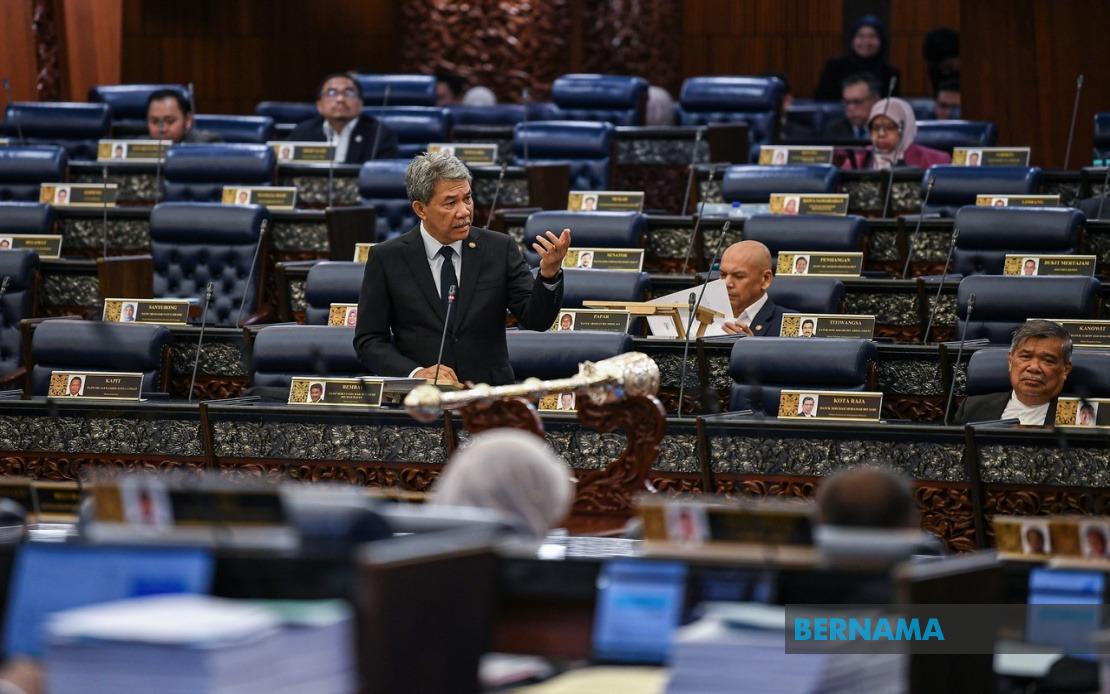
Malaysia's Humanitarian Trust Fund for the People of Palestine (AAKRP) operates under rigorous government supervision and transparent management practices, Foreign Minister Datuk Seri Mohamad Hasan confirmed in Parliament on June 23. The assurance comes as the ministry confronts persistent misconceptions circulating on social media regarding the fund's administration and the proper allocation of humanitarian resources intended for Palestinians affected by ongoing conflict.
Addressing a parliamentary question from Ahmad Tarmizi Sulaiman (PN-Sik) regarding the effectiveness of assistance delivery to Gaza, Mohamad emphasised that Malaysia's approach prioritises accountability at every stage. The AAKRP functions as a formal government-managed trust account rather than an independently operated entity, a critical distinction that ensures all transactions remain subject to comprehensive government oversight mechanisms. The minister stressed this structural arrangement prevents unauthorised disbursement and guarantees that humanitarian assistance reaches its intended beneficiaries without diversion.
The Foreign Ministry's oversight framework incorporates multiple layers of accountability. Regular audits conducted by the Auditor-General provide independent verification of financial transactions and fund allocation patterns. Additionally, the ministry maintains a system of periodic reporting to Malaysia's Cabinet, ensuring that senior government officials remain fully informed of fund utilisation and programme effectiveness. This governance structure reflects international best practices for humanitarian fund management and demonstrates Malaysia's commitment to responsible stewardship of public resources devoted to international relief efforts.
To ensure aid reaches vulnerable Palestinian populations, Malaysia has deliberately selected established international and regional organisations as implementing partners. These include UNRWA, which operates extensive relief programmes across Palestinian territories; the Jordan Hashemite Charity Organisation, with deep operational experience in the region; the Palestine Red Crescent Society, which maintains local presence and community trust; and King Hussein Hospital, a major healthcare provider serving Palestinians. By channelling assistance through these vetted institutions rather than managing distribution independently, Malaysia reduces administrative burden while leveraging existing infrastructure and local expertise.
Beyond financial contributions, Malaysia has maintained a consistent commitment to direct humanitarian aid delivery. The ministry has successfully dispatched food supplies, medical equipment, and healthcare resources to Gaza, addressing immediate needs within civilian populations. Previous logistical constraints that delayed certain shipments have been overcome following the reopening of overland humanitarian corridors, which Malaysia coordinated with Egyptian authorities. This coordinated approach exemplifies how bilateral diplomatic cooperation can facilitate life-saving assistance to conflict-affected regions when traditional maritime routes remain restricted or unreliable.
The humanitarian crisis affecting Gaza remains severe and deteriorating, according to government assessments. Widespread destruction of essential infrastructure has rendered hospitals, schools, and religious facilities severely damaged or non-functional. This infrastructure collapse compounds the suffering of civilian populations already facing shortages of clean water, sanitation facilities, and electricity. Medical services have become critically strained, forcing Palestinians to travel considerable distances for basic healthcare. Educational disruption affects children's development and future prospects. Such comprehensive destruction underscores why Malaysia maintains its assistance programmes despite the logistical and political complexities involved.
The Foreign Minister's parliamentary statement represents a direct response to online misinformation campaigns that question AAKRP's legitimacy or suggest funds are misallocated. Mohamad urged citizens to disregard inaccurate social media narratives, emphasising that the fund operates according to professional standards and responsible practices. This call for critical media literacy reflects broader challenges facing governments attempting to maintain public confidence in humanitarian initiatives while competing against coordinated disinformation efforts on digital platforms.
For Malaysian readers, the AAKRP exemplifies how government institutions can manage international assistance programmes while maintaining democratic accountability. The fund represents Malaysia's practical commitment to supporting Palestinians beyond rhetorical solidarity, translating stated principles into sustained financial and material support. The ministry's emphasis on transparency suggests receptivity to public scrutiny and confidence that scrutiny will vindicate rather than undermine the programme's credibility.
The Palestine humanitarian situation carries particular resonance in Malaysia, where public opinion strongly favours Palestinian self-determination and views assistance as a moral obligation. Political leaders across Malaysia's diverse spectrum have historically prioritised Palestinian causes, making the AAKRP emblematic of consistent national policy. However, this high public interest simultaneously creates vulnerability to misinformation, as bad-faith actors exploit genuine concern to spread unfounded allegations about fund management. The ministry's proactive parliamentary clarification attempts to preempt such manipulation by establishing a clear factual record.
Looking forward, Malaysia's humanitarian engagement with Palestine will likely remain subject to intense public scrutiny and periodic political contestation. The government's willingness to present detailed accountability frameworks suggests confidence that transparent operations will withstand examination. For Southeast Asian countries similarly engaged in Palestinian support, Malaysia's approach offers a model for structuring assistance programmes that balance political commitment with institutional credibility and fiscal responsibility.

