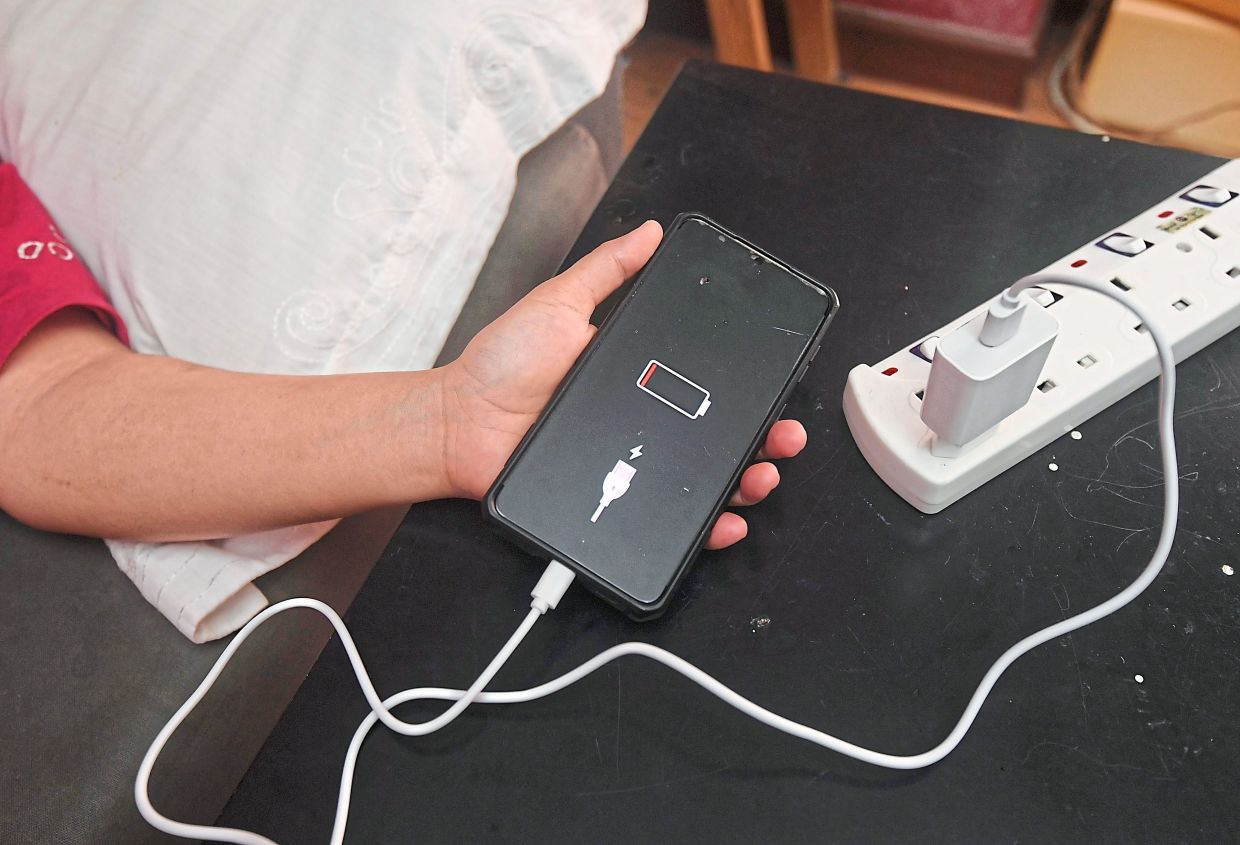
Malaysia's fire department has identified a troubling trend in residential fire incidents, revealing that unsafe device charging practices have triggered 59 fires across the country in the past three years, resulting in accumulated property damage exceeding RM14.2 million. The findings underscore a persistent gap between consumer behaviour and fire safety standards, even as awareness campaigns continue across the region. Between 2023 and 2025, these preventable blazes have ravaged homes from Peninsular Malaysia to East Malaysia, though fortunately no deaths have been attributed to these incidents.
The geographical distribution of fires reveals that Sarawak bears the heaviest burden, accounting for approximately RM9.7 million in losses across 11 documented cases. This substantial concentration in a single state reflects both the prevalence of the problem in East Malaysia and potential variations in charging practices or electrical infrastructure. Kelantan follows as the second most affected region with 17 incidents resulting in RM1.14 million in damages, suggesting that the issue transcends any single economic bracket or demographic. Sabah rounds out the top three with three cases and RM806,800 in losses, indicating that device charging fires constitute a significant infrastructure and safety challenge in Malaysian Borneo.
In Peninsular Malaysia, the impact spreads more diffusely across multiple states. Selangor, despite its large urban population and higher concentration of modern electrical appliances, recorded five cases amounting to RM661,040. Penang experienced nine separate incidents resulting in RM537,125 in property damage, while Johor documented two major fires totalling RM470,000. Smaller incidents were recorded in Putrajaya, Melaka, Terengganu and Perak, collectively adding another RM872,560 to the national tally. Notably, six states and federal territories—Kedah, Negri Sembilan, Pahang, Perlis, Kuala Lumpur and Labuan—reported no recorded incidents during this period, though this absence may reflect underreporting rather than complete immunity from the risk.
Fire investigation specialists emphasise that assessing these incidents requires more than simple financial accounting. Each fire presents distinct investigative challenges, ranging from the physical location where the incident occurred to the specific technology involved and the extent of structural damage. Investigators must navigate complex safety considerations at fire scenes whilst simultaneously preserving and analysing evidence that may be partially or entirely destroyed by flames. The technical expertise required to determine conclusively whether a lithium-ion battery, charging cable, power adapter or electrical outlet caused a particular fire demands meticulous methodology and sometimes sophisticated forensic analysis.
The most problematic cases are not always those with the largest financial losses. Rather, fires that demand extensive technical investigation—those where physical evidence has been severely compromised, where multiple potential ignition sources exist, or where the device involved uses proprietary technology—often prove most challenging for investigators. This complexity underscores the department's warning that fire prevention requires understanding not just the scale of losses, but the underlying mechanisms that allow household electrical devices to ignite residential structures.
The fire department's analysis identifies several recurring unsafe practices that have directly contributed to these incidents. Foremost among these is the common habit of leaving devices to charge overnight without any supervision, a practice that permits small electrical faults to develop into uncontrolled fires. Using counterfeit or uncertified chargers and cables represents another major risk factor, as these products frequently lack adequate voltage regulation and safety components. Perhaps most immediately dangerous is the tendency to charge devices on or near soft furnishings—mattresses, pillows, sofas and blankets—where heat cannot dissipate freely and where fires can spread rapidly through flammable materials.
Beyond charging location and equipment quality, investigators have identified additional practices that substantially elevate fire risk. Overloading power strips by connecting too many devices simultaneously places excessive electrical demand on circuits designed for lighter loads. Using visibly damaged devices—those displaying swollen batteries, unusual heat generation, burning odours or compromised charging cables—effectively transforms electrical appliances into uncontrolled experiments in thermal runaway. These warning signs frequently precede ignition by hours or days, yet many users delay repairs or replacement, potentially to reduce costs or inconvenience.
The root cause of these unsafe practices often traces back to consumer economics and limited awareness of genuine safety standards. Many Malaysians continue selecting cheaper charging equipment over certified alternatives, prioritising immediate cost savings over long-term property protection and safety. This purchasing behaviour creates demand for substandard products that circumvent proper testing, certification and manufacturing standards. Such uncertified equipment frequently exhibits poor quality control, inadequate insulation, insufficient thermal protection and dangerous voltage fluctuations that inevitably lead to overheating, short circuits and fire.
To combat this preventable hazard, the fire department strongly recommends that consumers verify that all charging equipment carries SIRIM certification or equivalent safety approvals from recognised international standards bodies. Avoiding soft surfaces during charging—using hard, non-flammable surfaces like wooden tables or kitchen counters instead—provides a simple but effective heat dissipation strategy. Immediately replacing damaged sockets, cables and adapters prevents latent faults from developing into active fire risks. These practical measures, when widely adopted, can substantially reduce the incidence and severity of device-charging fires.
The persistence of device-charging fires despite ongoing education campaigns indicates that public consciousness regarding these hazards remains inadequate across Malaysia. The fire department has acknowledged this awareness gap and committed to expanding its fire safety education initiatives, launching preventive outreach programmes and strengthening strategic partnerships with relevant government agencies and consumer protection bodies. These coordinated efforts aim to embed safe charging practices into everyday household routines, transforming consumer behaviour at a cultural level rather than relying solely on reactive emergency response.

%22%2F%3E%3C%2Fpattern%3E%3C%2Fdefs%3E%3Crect%20width%3D%22100%25%22%20height%3D%22100%25%22%20fill%3D%22url(%23ph1354vg)%22%2F%3E%3Crect%20width%3D%22100%25%22%20height%3D%22100%25%22%20fill%3D%22url(%23ph1354vp)%22%2F%3E%3Ctext%20x%3D%2250%25%22%20y%3D%2250%25%22%20text-anchor%3D%22middle%22%20dominant-baseline%3D%22central%22%20fill%3D%22rgba(255%2C255%2C255%2C0.95)%22%20font-family%3D%22Georgia%2C%20'Times%20New%20Roman'%2C%20serif%22%20font-weight%3D%22700%22%20font-size%3D%22320%22%20letter-spacing%3D%22-0.02em%22%3EGRS%3C%2Ftext%3E%3C%2Fsvg%3E)