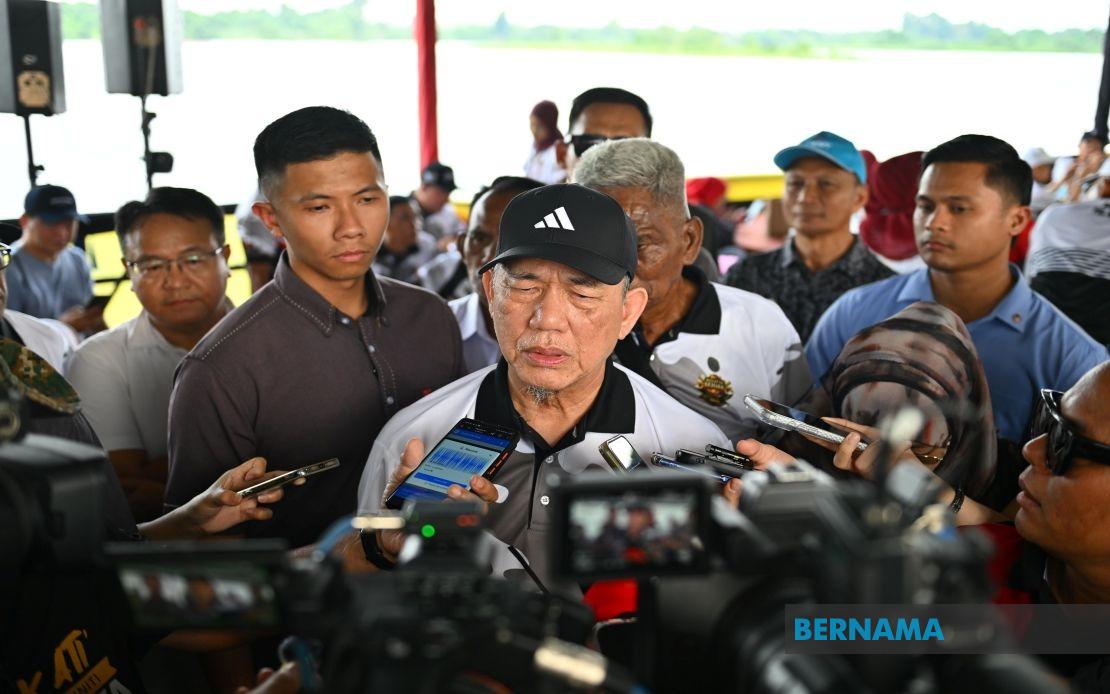
Malaysia's energy sector faces no immediate disruptions to fuel supplies, according to Deputy Prime Minister Datuk Seri Fadillah Yusof, even as the government maintains heightened surveillance over geopolitical flashpoints that could destabilize global energy markets. Speaking at the closing ceremony of Regatta 2026 in Kuching on July 12, the Energy Transition and Water Transformation Minister emphasised that Petronas and Prime Minister Datuk Seri Anwar Ibrahim have adopted proactive engagement strategies to insulate the country from potential supply shocks. These diplomatic and commercial efforts, conducted across multiple negotiation channels, aim to preserve Malaysia's energy independence and shield consumers from the worst effects of external volatility.
The reassurance comes at a moment of considerable international uncertainty. The Strait of Hormuz, through which roughly one-third of the world's seaborne oil trade passes, remains a geopolitical pressure point. Any escalation of tensions in this critical chokepoint could ripple through global energy markets, driving crude prices higher and destabilizing supply chains across Asia-Pacific economies heavily dependent on stable energy imports and affordable fuel. For a country like Malaysia with significant petrochemical industries and a growing manufacturing base, such disruptions would carry real economic consequences beyond energy prices alone.
Fadillah acknowledged that while Malaysia's immediate supply position is guaranteed, the nation cannot insulate itself entirely from the price fluctuations that accompany geopolitical turbulence. Global oil and gas pricing remains volatile, swayed by regional tensions, production decisions by major exporters, and broader macroeconomic forces beyond Kuala Lumpur's control. This distinction between supply security and price stability is crucial for policymakers navigating the dual challenge of maintaining affordable energy for citizens while managing government finances stretched by subsidy commitments.
The Deputy Prime Minister articulated a fundamental tension in Malaysia's energy policy landscape. Despite maintaining stable access to fuel through strategic partnerships and negotiations, the government must confront the reality that international commodity prices behave independently of bilateral diplomatic arrangements. When crude oil prices spike due to geopolitical incidents, Malaysia faces pressure on its fiscal position regardless of whether physical supplies flow uninterrupted. This dynamic has profound implications for household budgets, industrial competitiveness, and the government's ability to sustain targeted assistance programmes for lower-income Malaysians.
Petronas, as Malaysia's national oil company, plays a central role in this supply security apparatus. Beyond its traditional role as an energy producer and exporter, Petronas has evolved into a strategic instrument for protecting national energy interests. The state-owned enterprise's multilateral engagement—working alongside the Prime Minister's office and other government bodies—reflects an understanding that energy security in the 21st century depends on diplomatic sophistication alongside commercial capability. This integrated approach recognises that relationships with producers, traders, and regional partners matter as much as physical reserves.
The government's commitment to maintaining subsidy and assistance programmes, despite acknowledged fiscal pressures, signals the political importance placed on energy affordability. Malaysian consumers have historically benefited from government intervention in fuel pricing, a policy that protects purchasing power but diverts substantial budget allocations from other developmental priorities. Fadillah's framing of this as an ongoing balancing act—sustaining support for citizens while managing financial sustainability—reveals the painful compromises inherent in energy policymaking during periods of price volatility.
For Malaysia's broader economic outlook, energy price stability matters considerably. The country's petrochemical and downstream manufacturing sectors depend on predictable energy costs to maintain competitiveness in regional and global markets. Sudden price spikes can erode margins, force production cutbacks, or push some manufacturing processes to shift to competitors with cheaper energy access. Small and medium enterprises, particularly those in energy-intensive industries, face disproportionate exposure to price volatility without the hedging tools and economies of scale available to larger corporations.
The geopolitical dimension adds layers of complexity. Regional tensions in the Middle East affect not only oil prices but also sentiment among investors and trading partners. Malaysia, as a Southeast Asian economy with interests in maintaining stable international commerce, has incentives to see tensions de-escalate and supply corridors remain unobstructed. The government's diplomatic engagement on energy matters aligns with broader foreign policy objectives of preserving regional stability and protecting trade flows that benefit the Malaysian economy.
Looking forward, Fadillah's comments suggest the government is adopting a two-track strategy: securing physical energy supplies through proactive negotiations and commercial arrangements, while simultaneously preparing public opinion for potential price volatility that cannot be entirely prevented. This approach acknowledges that while Malaysia has agency in certain energy security matters, complete insulation from global commodity price swings remains impossible. The challenge involves maintaining public confidence in government competence while remaining honest about the limits of policy intervention in global markets.
The Deputy Prime Minister's emphasis on multilevel negotiations underscores that energy security is no longer purely a technical or commercial matter for oil companies. Government-to-government channels, engagement with producers and traders, coordination with regional partners, and strategic positioning within international energy markets all contribute to the ecosystem within which Petronas and Malaysian energy companies operate. This recognition reflects contemporary understanding that energy is inherently political, requiring sustained high-level attention alongside technical expertise.

