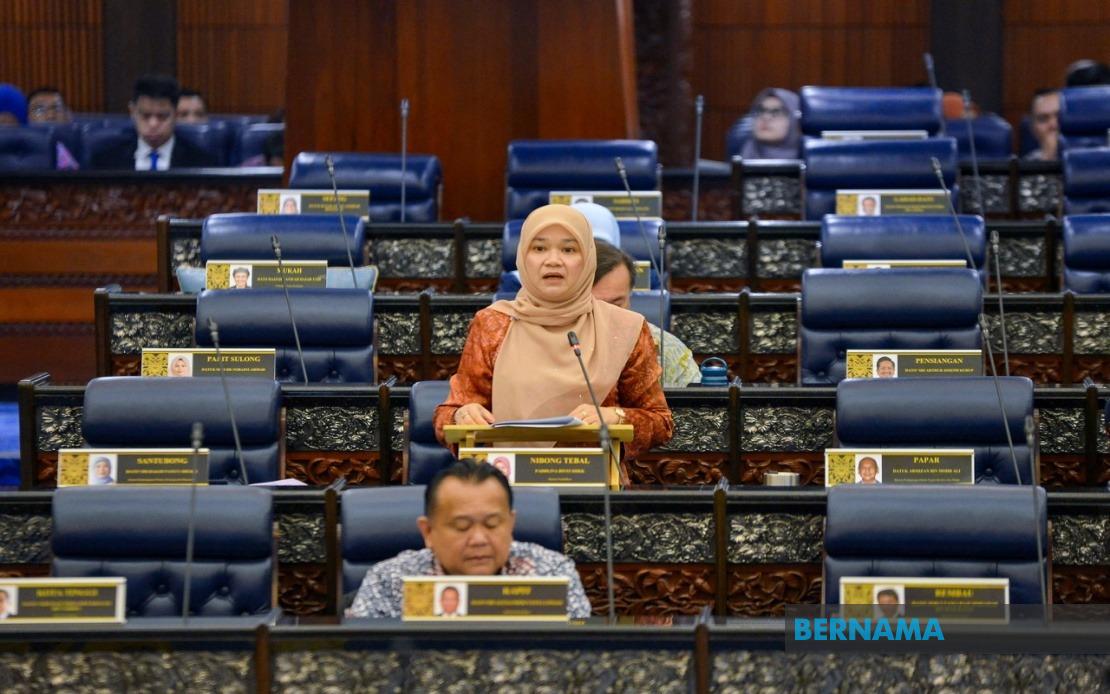
Malaysia's Ministry of Education is embarking on a comprehensive overhaul of school safety systems, moving beyond one-size-fits-all approaches to address the complex and varied safety challenges facing institutions nationwide. Education Minister Fadhlina Sidek outlined the multifaceted strategy during parliamentary Question Time this week, emphasising that incidents involving student safety require individualised assessment rather than standardised responses, recognising that each situation involves layers of complexity extending beyond physical security concerns.
The ministry's enhanced safety architecture centres on the establishment of a dedicated cross-agency committee designed to orchestrate coordinated action across multiple government bodies and external organisations. This collaborative framework reflects a recognition that school safety encompasses far more than perimeter security and surveillance systems. By bringing together expertise from various sectors, the ministry aims to create an integrated ecosystem where physical safety measures work in tandem with psycho-emotional support systems and mental health resources for vulnerable students.
Among the concrete initiatives announced is a significant expansion of CCTV coverage across the school system. The ministry plans to deploy cameras to 333 schools during the current year, representing a substantial increase from the 200 schools equipped in 2025. This physical security enhancement forms part of broader infrastructure improvements, with the National Institute of Occupational Safety and Health providing technical guidance on building safety, drainage systems, and fire prevention protocols. The engagement of this specialised institution signals the ministry's commitment to applying evidence-based standards rather than relying on piecemeal safety upgrades.
Personnel reinforcements are another crucial component of the safety enhancement package. The appointment of 300 hostel wardens commencing from April 1 specifically targets the overnight period, when students in residential facilities face distinct vulnerabilities. This staffing increase acknowledges that daytime monitoring, however thorough, leaves gaps during night hours when incidents can escalate without immediate adult supervision or intervention. The hostel warden initiative demonstrates understanding that different school environments—day schools versus boarding facilities—require tailored approaches to safety management.
The policy framework underpinning these operational changes consists of two foundational documents launched on June 11: the Safe School Management Guidelines and the School Student Protection Policy. These serve as reference documents for all educational institutions seeking to strengthen protections across physical, social, and emotional dimensions. By establishing written standards, the ministry creates consistency across the system while allowing individual schools flexibility in implementation based on their specific contexts and communities.
Bullying remains a significant focus within the broader safety agenda, particularly given heightened public concern about psychological harm to students. The ministry is updating its bullying management guidelines to align with the Anti-Bullying Act 2026, legislation that entered force on June 16. This legislative synchronisation ensures that school procedures operate within the framework of statutory protections and are informed by latest understandings of bullying dynamics, prevention strategies, and intervention protocols. The timing of the guideline updates demonstrates proactive alignment between policy and legal requirements.
The response framework for bullying incidents emphasises comprehensiveness and student-centred approaches. When cases arise, the ministry commits to assessments involving certified counsellors who can evaluate the psycho-emotional impact on affected students. Crucially, investigations and interventions incorporate multiple stakeholder perspectives through Parent-Teacher Associations, community involvement initiatives, and coordination with relevant agencies. This multi-stakeholder model recognises that bullying rarely exists in isolation and that sustainable resolution requires engagement across the student's entire support network.
The five foundational pillars guiding the ministry's safety architecture—prevention, monitoring, reporting, intervention, and enforcement—establish a comprehensive continuum from discouraging unsafe behaviours through to holding accountable those who violate safety standards. This framework moves beyond reactive crisis management to emphasise preventive measures that reduce incident likelihood. Monitoring systems create visibility into emerging problems before they escalate, while accessible reporting mechanisms ensure incidents reach decision-makers. Structured intervention protocols then address identified issues, with enforcement mechanisms ensuring sustained compliance.
For Malaysian parents and educators, these developments signal a substantive shift in how the education system approaches student wellbeing. The emphasis on individualised assessment prevents the imposition of uniform solutions that may prove inappropriate for specific contexts or student populations. By expanding infrastructure investments in surveillance while simultaneously increasing human oversight through hostel wardens, the ministry acknowledges that technological solutions alone cannot ensure safety—human presence, judgment, and responsiveness remain irreplaceable. The involvement of mental health professionals recognises that contemporary school safety concerns extend well beyond physical threats to encompass psychological wellbeing.
The inter-agency coordination structure also positions schools within a broader ecosystem of government support and expertise. Rather than expecting educational institutions to manage safety challenges independently, the framework explicitly integrates occupational health specialists, community organisations, and parent bodies. For Southeast Asian context, this approach aligns with regional trends toward whole-of-society approaches to child protection and institutional safety. The framework demonstrates recognition that educational institutions cannot address complex safety challenges in isolation from their communities and supporting systems.
Implementation challenges will inevitably emerge as these comprehensive measures roll out across Malaysia's diverse school landscape. Rural schools, urban institutions, and boarding facilities face distinct resource constraints and contextual factors that will shape how guidelines translate into practice. The commitment to individualised assessment suggests the ministry understands that prescriptive one-size-fits-all protocols often fail in practice. Whether sufficient training and resources reach all institutions, particularly in less developed areas, will determine whether this ambitious safety vision translates into meaningful protections for all students regardless of school location or socioeconomic background.

