Malaysia's legislative framework governing child protection is set for a substantial overhaul. The Ministry of Women, Family and Community Development (KPWKM) has launched a formal review of the Child Act 2001 (Act 611), drawing on 159 specific recommendations issued by the United Nations Committee on the Rights of the Child (UNCRC). The initiative represents a significant policy response to international scrutiny of Malaysia's child welfare systems and reflects growing recognition that existing legislation requires modernisation to address contemporary challenges facing young Malaysians.
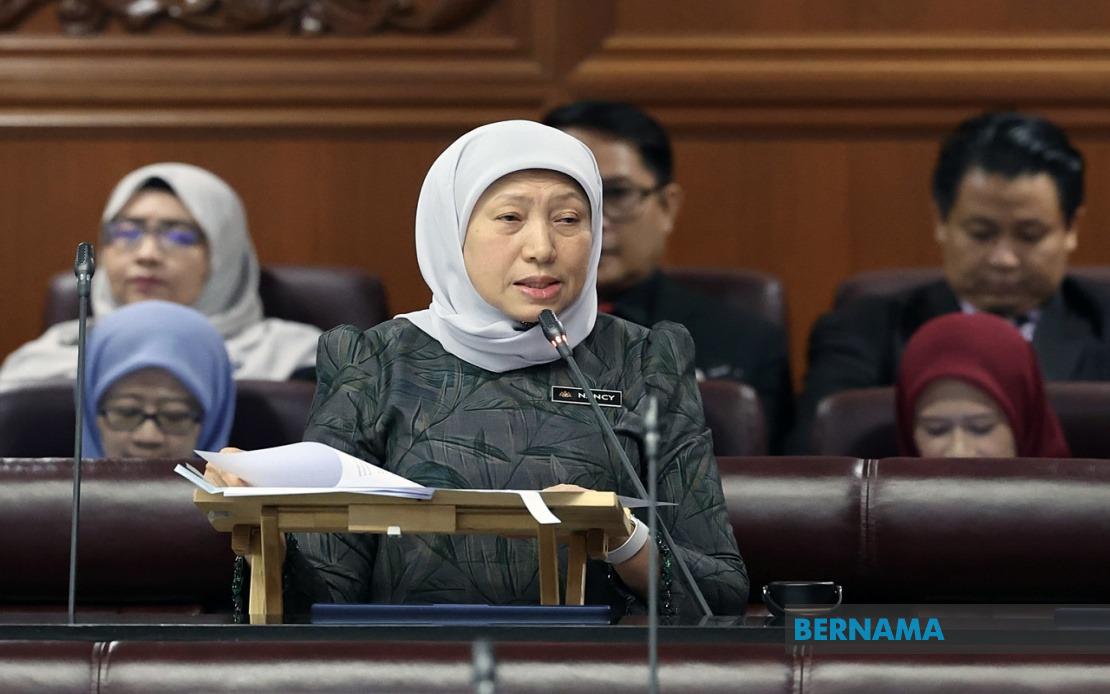
During a parliamentary sitting in Dewan Negara, Minister Datuk Seri Nancy Shukri outlined the scope and objectives of the review process. The UNCRC's Concluding Observations encompass recommendations spanning multiple dimensions of child protection, from fundamental legal reforms to substantive improvements in mechanisms designed to shield children from abuse and exploitation. The recommendations also address systemic gaps in how children's rights are implemented and enforced across Malaysia's administrative and judicial structures. This comprehensive scope signals that the review will not merely tinker with existing provisions but will undertake meaningful examination of whether current legislation adequately protects children in all contexts.
Minister Shukri emphasised that the review specifically targets deficiencies identified by the UNCRC concerning the legal framework underpinning Act 611. The ministry intends to scrutinise recommendations and integrate those with merit into a revised statutory framework. Central to this effort is the overarching principle of prioritising "the best interests of the child"—a foundational concept in international child rights doctrine that the review aims to embed more thoroughly into Malaysian law. Enhancements will focus on strengthening protections, improving care and rehabilitation services, expanding avenues for meaningful child participation in matters affecting them, and advancing overall wellbeing outcomes.
Crucially, the review will not operate as an isolated ministerial exercise. Minister Shukri announced that KPWKM will adopt a multi-agency collaborative approach, enlisting input and cooperation from diverse government ministries and relevant agencies. This represents a departure from siloed policymaking and reflects international best practice in child protection reform. Such coordination is essential because children's welfare intersects with education, health, law enforcement, social services, and judicial administration—sectors that must align their policies and procedures to create coherent, child-centred systems.
The specific areas selected for examination are notably extensive. KPWKM will scrutinise recommendations concerning child protection mechanisms and mandatory reporting requirements—critical infrastructure for identifying abuse and triggering intervention. The review will also assess children's court procedures, recognising that judicial processes affecting minors often require specialised protocols distinct from adult proceedings. Family and community-based care arrangements will come under examination, acknowledging that institutional care is often inappropriate for children requiring temporary support. Rehabilitation services and follow-up support structures will be evaluated to ensure they facilitate genuine reintegration rather than perpetuating cycles of vulnerability.
Another significant focus area involves clarifying and strengthening the functions and authority of various stakeholders engaged in child case management. Malaysian systems often suffer from role ambiguity, overlapping jurisdictions, and inadequate coordination between child protective services, law enforcement, welfare agencies, and judicial bodies. By defining stakeholder responsibilities more precisely, the review aims to eliminate gaps where children fall through cracks between agencies. Enhanced cross-agency collaboration mechanisms will be designed to ensure seamless information sharing and coordinated responses to child protection concerns.
The minister indicated that the review will prioritise improving the responsiveness and effectiveness of interventions and services available to children in distress. Current systems in Malaysia often operate reactively rather than preventatively, intervening only after harm occurs rather than identifying and addressing risk factors early. A modernised framework could emphasise early identification, prevention-focused programmes, and timely intervention that minimises trauma and supports recovery.
For Malaysian policymakers and child advocates, this review represents a critical juncture. The engagement with UNCRC recommendations provides an opportunity to implement evidence-based reforms aligned with international standards while remaining contextually appropriate to Malaysian society. However, the genuine impact depends on whether recommendations translate into actionable legislative changes, adequate resource allocation, and meaningful cultural shifts within government agencies responsible for implementation. The multi-agency approach is promising but requires sustained political commitment and genuine institutional buy-in.
Regionally, Malaysia's willingness to undergo this systematic review positions it as responsive to international accountability mechanisms, potentially influencing how other Southeast Asian nations approach child protection reform. The quality of Malaysia's implementation will signal the seriousness with which the nation honours its international obligations under the Convention on the Rights of the Child and allied instruments. Minister Shukri's parliamentary presentation indicates the government recognises that child protection cannot remain static; legislative frameworks must evolve to address emerging vulnerabilities, incorporate best practices, and ultimately serve the best interests of Malaysia's youngest citizens.

