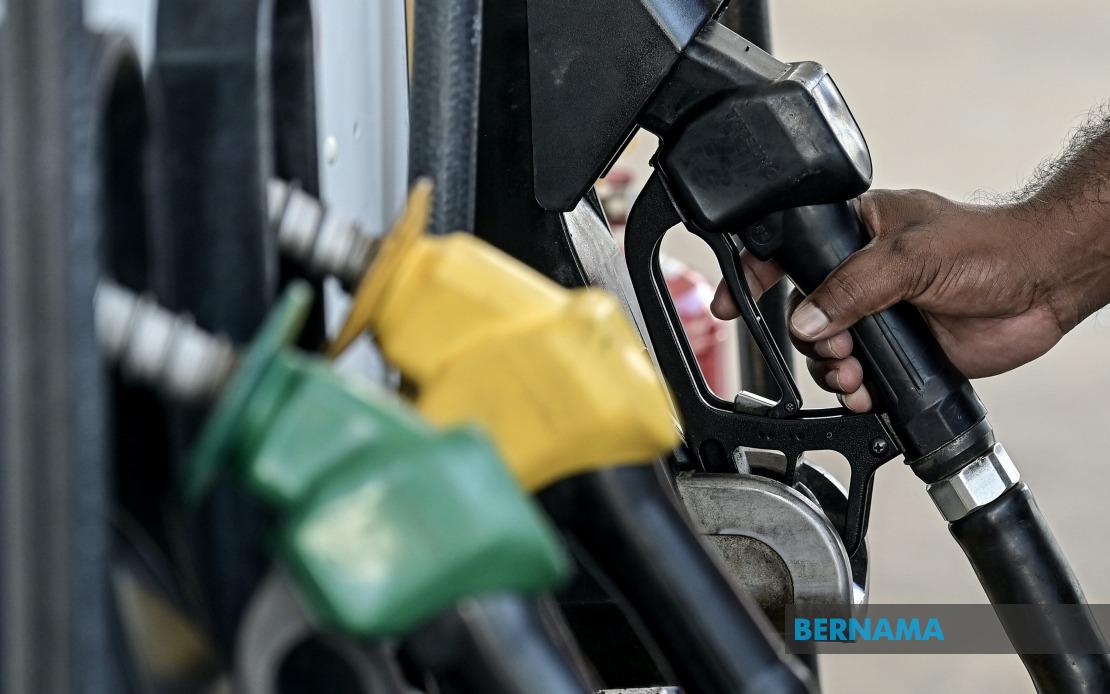
Malaysia's expanded fuel subsidy programme, BUDI MADANI Diesel, begins tomorrow with approximately 700,000 private vehicle owners across the nation eligible to purchase subsidised diesel at RM2.10 per litre. The initiative represents a substantial broadening of the government's previous BUDI Diesel Individu scheme, which provided monthly cash assistance to only 180,000 recipients in Peninsular Malaysia. The Ministry of Finance announced that Peninsular Malaysia will see around 400,000 private diesel vehicle owners benefit from the programme, while a further 300,000 eligible owners across Sabah, Sarawak, and the Federal Territory of Labuan gain access to subsidised fuel.
Beyond passenger vehicles, the scheme encompasses additional beneficiaries in Malaysia's eastern regions and federal territory. Approximately 70,000 commercial and goods transport vehicles operating in Sabah, Sarawak, and the Federal Territory of Labuan will access subsidised diesel at RM2.15 per litre through the SKDS (Subsidised Diesel Control System). The government has also widened the net to include company-registered private pickup trucks and jeeps, recognising that such vehicles play dual roles in both personal and light commercial transportation. This layered approach addresses different economic segments whilst maintaining fiscal sustainability.
The financial mechanics of the programme underscore government commitment to easing cost-of-living pressures. By ensuring eligible citizens purchase fuel at capped prices rather than market rates, the initiative aims to protect sectors dependent on transportation whilst simultaneously reducing household expenses for working Malaysians. The subsidy framework acknowledges that fuel costs ripple through the entire economy, affecting logistics, agriculture, tourism, and small business operations. For a household operating a diesel vehicle, the monthly savings on fuel can substantially improve household budgets already strained by inflation and economic uncertainty.
Early implementation data suggests smooth operational rollout. Since its June 27 launch in Peninsular Malaysia, the system recorded approximately 80,000 transactions by noon on June 30, representing nearly 3.2 million litres of subsidised diesel valued at approximately RM7 million at the RM2.15 per litre early-access rate. Critically, the MyKad verification system deployed at petrol stations encountered no significant technical glitches, suggesting that the digital infrastructure underpinning the scheme functions reliably. This technical success matters considerably in Malaysia's densely populated urban areas and remote rural zones, where system failures would rapidly generate public dissatisfaction.
The programme introduces innovative mechanisms to address family circumstances where registered vehicle owners differ from actual drivers. Pickup and jeep owners can submit applications through the BUDI MADANI portal to access an additional 100 litres of diesel monthly, subject to compliance with specified conditions. By June 30 morning, the system had already processed more than 22,000 applications, indicating strong uptake and awareness among eligible vehicle owners. This responsive demand reflects genuine economic need across Malaysian households.
A significant administrative innovation involves transferability of subsidy eligibility within immediate family units. Original beneficiaries may transfer their monthly diesel subsidy quota to a spouse, parent, child, or sibling following official verification procedures. This one-off transfer mechanism acknowledges real-world family structures where vehicles registered to one person serve multiple household members. Nearly 1,000 transfer applications had been processed by the morning of June 30, demonstrating that families understand and are utilising this flexibility. Once approved, the receiving family member uses their own MyKad to access subsidised diesel within the original owner's allocated monthly quota.
To reduce financial barriers to transferring vehicle ownership within families, the government implemented a three-month waiver eliminating transfer fees of up to RM100 for diesel vehicles. This targeted measure recognises that many Malaysians maintain vehicles under family members' names for various practical reasons, and transfer fees had previously created disincentives for formalising such arrangements. The Road Transport Department will enhance accessibility by opening all state JPJ offices and UTC JPJ branches on weekends from July 4 through July 26, operating between 8 am and 5 pm. This extended availability particularly benefits working Malaysians unable to visit government offices during standard weekday business hours.
The geographical specificity of the subsidy structure reflects Malaysia's distinct regional economic conditions. East Malaysian states and the Federal Territory of Labuan face particular transportation challenges given their geography and population distribution. By extending robust subsidy support to these regions, the federal government acknowledges their specific economic vulnerabilities and infrastructure constraints. Commercial transport operators particularly depend on fuel cost predictability for maintaining viable business operations, making the RM2.15 per litre rate for goods vehicles a meaningful intervention.
For Malaysian consumers, the BUDI MADANI Diesel launch exemplifies the government's strategic approach to inflation management. Rather than subsidising fuel universally—which creates market distortions and fiscal strain—the targeted approach focuses support on vehicle owners, a demographic with demonstrated economic need and economic importance. The monthly quota system encourages responsible consumption whilst preventing windfall benefits to high-consumption users. This calibrated approach balances equity, sustainability, and macroeconomic prudence.
The digital verification infrastructure supporting BUDI Diesel carries implications beyond fuel transactions. The system demonstrates government capability to implement identity-based subsidy programmes at scale, managing enrollment, verification, and distribution through petrol station networks. Should this model prove successful, policymakers may consider similar targeted subsidy architectures for other essential goods and services, potentially strengthening Malaysia's social safety net without creating universal price controls.
Private diesel vehicle owners can verify their eligibility status and monthly quotas through official channels, though the source material indicates these details remain under government specification. As the programme commences, real-world implementation will reveal whether the existing network of participating petrol stations adequately serves demand across urban and rural Malaysia. System performance during the initial weeks will provide valuable data for programme refinement and potential future expansion.
The BUDI MADANI Diesel initiative ultimately represents a significant recalibration of Malaysia's fuel subsidy architecture, moving from cash assistance to targeted point-of-sale support. This transition potentially reduces administrative overhead whilst improving beneficiary experiences through direct fuel cost reduction. The scheme's success will likely influence ongoing policy debates regarding subsidy reform, targeted assistance effectiveness, and government engagement with cost-of-living challenges affecting ordinary Malaysian households.

