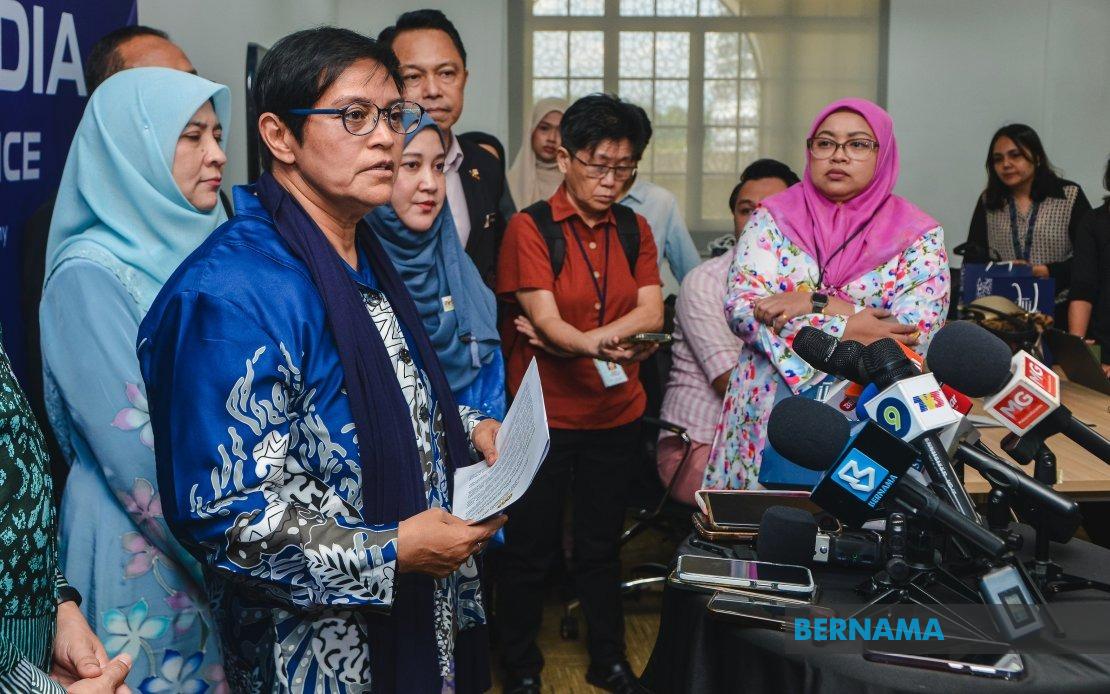
Malaysia has taken a significant legislative step to combat the rising epidemic of bullying among young people by introducing joint parental liability under the Anti-Bullying Act 2026. The groundbreaking legislation, unveiled by Minister in the Prime Minister's Department (Law and Institutional Reform) Datuk Seri Azalina Othman Said, extends legal accountability beyond the young perpetrator to their parents and family members, representing a departure from conventional criminal law frameworks that typically target individual offenders alone.
The concept of shared family responsibility embedded within the Act marks a fundamental reshaping of how Malaysia addresses bullying misconduct. Unlike traditional criminal offences where liability rests solely with the person committing the act, this legislation recognises that family members bear a degree of responsibility for controlling and preventing harmful behaviour by their children. Azalina explained that the joint liability extends to tangible consequences, including the obligation for family members to pay fines and related penalties imposed by the tribunal. This approach signals that parents can no longer distance themselves from their children's actions; instead, they become active stakeholders in ensuring compliance with anti-bullying standards.
The urgency behind this legislative reform stems from alarming statistics on bullying incidents throughout Malaysia, some of which have culminated in tragic outcomes including loss of life. The government has determined that conventional enforcement mechanisms have proven insufficient in addressing the scale and severity of bullying behaviour, particularly among school-aged children. By introducing parental joint liability, lawmakers hope to incentivise stronger parental supervision, intervention, and responsibility for monitoring their children's conduct both within and outside institutional settings. This approach recognises that parental engagement and accountability often prove more effective deterrents than punishment alone.
Central to the implementation of the Anti-Bullying Act 2026 is the establishment of a dedicated Anti-Bullying Tribunal, officially inaugurated at the Asian International Arbitration Centre (AIAC) in Kuala Lumpur. The tribunal represents a specialised judicial body designed specifically to handle bullying cases with expertise and sensitivity appropriate to the sensitive nature of youth-related offences. A total of 56 tribunal members, carefully selected for their legal expertise and specialised knowledge in child-related matters, have been appointed to adjudicate referred cases. This composition ensures that decisions reflect not only legal considerations but also psychological, developmental, and social welfare perspectives essential for fair and constructive outcomes.
A key innovation in the tribunal's design is its commitment to accessibility and nationwide coverage, moving beyond the traditional court system's geographic and logistical limitations. Rather than restricting proceedings to formal courthouses in major urban centres, the tribunal operates flexibly across six distinct physical and virtual hearing zones established throughout Malaysia. These zones leverage existing infrastructure belonging to the Legal Affairs Division (BHEUU), the Insolvency Department, the Legal Aid Bureau, and unused courtrooms to minimise costs while maximising availability. This decentralisation enables victims and complainants in rural areas, smaller towns, and island communities to access the tribunal without undertaking expensive travel to Kuala Lumpur or other major cities.
Proceedings conducted through the tribunal can occur in diverse locations including school premises, Legal Aid Department offices, or entirely through online platforms, depending on the circumstances and preferences of the parties involved. This flexibility acknowledges that bullying incidents often involve minors who may be intimidated by formal courtroom environments, and that flexible arrangements can encourage reporting and participation. The tribunal's willingness to conduct hearings at schools, for instance, keeps proceedings within familiar environments and reduces barriers to participation. Online capabilities ensure that individuals with mobility challenges or those in remote locations can participate fully without disadvantage.
Victims of bullying now possess the right to bring cases directly before the Anti-Bullying Tribunal regardless of where the bullying occurred, without being constrained by institutional boundaries or requiring permission from school management or hostel authorities. Previously, bullying incidents occurring outside formal institutional premises often fell into regulatory gaps where neither schools nor law enforcement agencies felt responsibility for intervention. This legislative change rectifies that gap by granting victims direct access to justice mechanisms. A victim bullied at a shopping mall, on public transport, or at a community gathering can now lodge a complaint and pursue remedies through the same tribunal, ensuring consistent protection across all contexts where young people interact.
To facilitate the lodging of complaints and reduce barriers to reporting, the tribunal has established a public online portal where cases can be registered digitally. This technological integration acknowledges contemporary realities where digital communication often feels more accessible and less intimidating to young people than in-person reporting. The online portal captures crucial case information, maintains systematic records, and initiates the formal review process, all while allowing complainants to proceed at their own pace and from locations of their choosing. Such accessibility measures are particularly important given that many victims of bullying experience anxiety, shame, or fear when contemplating formal complaints, and convenient digital options can significantly increase reporting rates.
Azalina emphasised that this legislative framework aims to cultivate cultural shifts in how Malaysian society perceives and responds to bullying behaviour. By establishing formal institutional mechanisms and imposing legal consequences, the government seeks to elevate public consciousness regarding the seriousness of bullying acts and underscore that such behaviour carries genuine legal ramifications. The minister stressed that young people must move beyond viewing bullying as a trivial or inconsequential aspect of adolescence and recognise that it constitutes a serious matter triggering formal legal processes. This consciousness-raising function operates in tandem with the tribunal's adjudicative role, creating a comprehensive response that combines deterrence, rehabilitation, and victim support.
The implementation of parental joint liability provisions presents both opportunities and potential challenges for Malaysian families and the justice system. While the approach may incentivise stronger parental oversight and family-based prevention efforts, it also raises questions about how responsibility will be apportioned in complex family situations, such as cases involving estranged parents, blended families, or situations where children have experienced abuse or neglect that contributed to their bullying behaviour. Legal practitioners and family law experts will need to develop jurisprudence clarifying how courts should assess parental liability, what defences might apply, and how circumstances of individual families should shape determinations of shared responsibility. The tribunal's 56 specialist members will play a crucial role in establishing precedents that balance accountability with proportionality and fairness.
For Malaysian and Southeast Asian perspectives, the Anti-Bullying Act 2026 represents a significant regional development in youth justice and family law. Regional neighbours will likely monitor the Act's implementation outcomes, particularly regarding effectiveness in reducing bullying incidents, public reception of parental liability provisions, and whether the tribunal model proves efficient and accessible in practice. Successful implementation could influence similar legislative reforms across Southeast Asia, where bullying has emerged as a significant public health and education challenge. Conversely, implementation challenges could provide instructive lessons about balancing youth protection with individual rights and family autonomy.
The establishment of the tribunal and the introduction of joint parental liability reflect broader trends in contemporary law toward shared responsibility frameworks and specialised tribunals for sensitive matters involving vulnerable populations. Malaysia joins an expanding global movement recognising that traditional criminal justice systems often prove inadequate for addressing youth-related offences, which require different approaches emphasising rehabilitation, education, and family engagement alongside accountability. The Anti-Bullying Act 2026 demonstrates Malaysia's commitment to developing innovative legal responses to contemporary social problems affecting young people, positioning the country as a regional leader in youth protection legislation and specialist tribunal development.