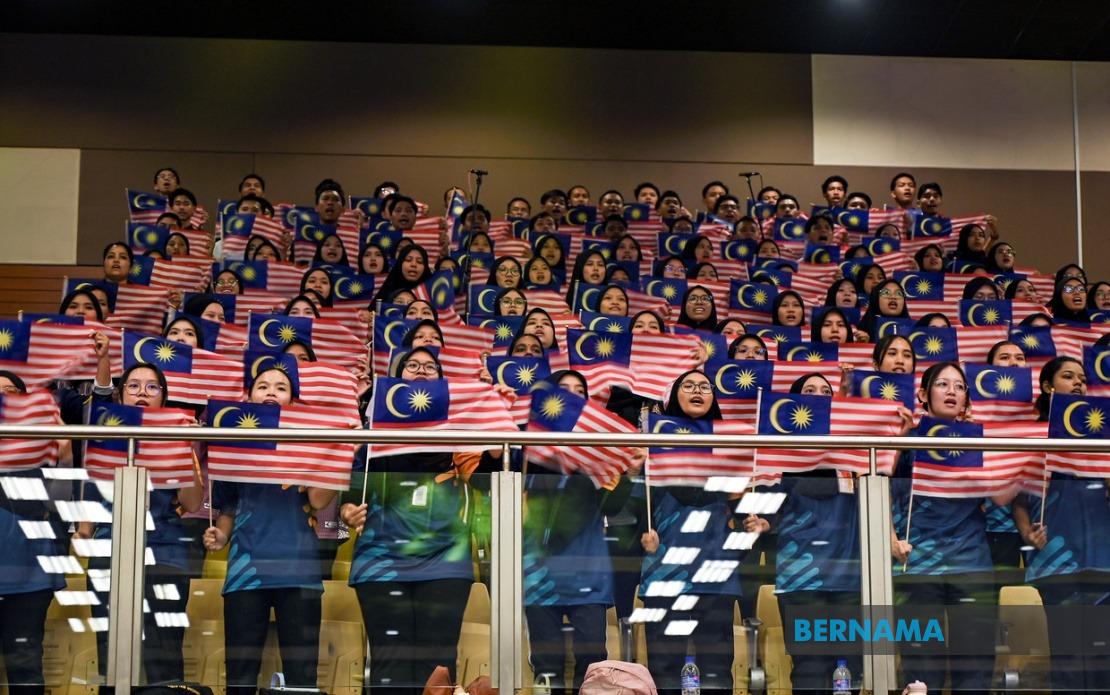
Malaysia's National Month and Kibar Jalur Gemilang 2026 launch ceremony is nearly ready for its debut this coming Sunday in Ipoh, with organisers confirming that preparatory work has reached the 80 percent mark. The event, designed to commemorate both National Day and Malaysia Day celebrations, represents a renewed commitment to fostering national unity across the country's diverse communities. According to Faizal Adanan, deputy director of the Information Department's Communication Services and Community Development Division, the ceremony will be conducted with restraint without sacrificing its resonance among Malaysians or diluting the collective spirit of belonging that underpins the nation's identity.
The launch will take place at Dewan Sri Perdana within the Sultan Azlan Shah Health Ministry Training Institute in Ipoh, a venue with a capacity of 3,000 attendees. Faizal noted that meticulous planning has gone into every aspect of the programme, from choreography to logistical coordination, with full rehearsals scheduled for the day before the main event. Despite the controlled setting, organisers emphasise that the inclusive participation of various social segments, ethnic groups, and religious communities will serve to reinforce the patriotic sentiment that the occasion aims to cultivate among citizens.
Prime Minister Datuk Seri Anwar Ibrahim will officiate the main ceremony, lending significant political weight to the proceedings. One of the standout moments will feature a patriotic musical performance by trainees from the Sultan Azlan Shah Health Ministry Training Institute, whose previous rendition gained viral traction online and captured public imagination. This element underscores how grassroots enthusiasm and organic cultural moments can amplify national messaging without heavy-handed state apparatus.
A physical centrepiece of the 2026 celebrations will be the Merdeka Patriotic Run, anticipated to draw approximately 2,000 participants who will demonstrate their commitment to national pride through organised athletics. Datuk Abdul Halim Hamzah, secretary-general of the Communications Ministry, will formally flag off the run, signalling high-level government endorsement of community participation in independence festivities. This combination of athletic engagement and ceremonial protocol reflects contemporary approaches to celebrating nationhood that blend physical activity with formal recognition.
The programme encompasses several symbolic moments designed to resonate with Malaysian audiences. A flag-raising ceremony by security forces will mark a return to traditions that have been absent for two years, suggesting a deliberate effort to restore rituals that bind citizens to national symbolism and institutional continuity. The launch of the HKHM2026 theme song by a local recording artist will provide a contemporary musical anchor for the year's celebrations, enabling the message to permeate popular culture and reach audiences beyond ceremonial venues. Participating government agencies will mount exhibitions showcasing their contributions to national development and service delivery.
Recognising that public attendance will be restricted to maintain the event's controlled nature, organisers have structured comprehensive media coverage to ensure Malaysians nationwide can engage with proceedings. The ceremony will be broadcast live at 10 am on Sunday across multiple platforms, including the social media channels of Radio Televisyen Malaysia, the Malaysian National News Agency, the Communications Ministry, and the Information Department. Additionally, streaming will occur via Merdeka360's Facebook Live service, democratising access and ensuring that citizens regardless of geographic location or economic circumstances can participate vicariously in the national commemoration.
This multi-platform broadcast strategy reflects the Malaysian government's recognition that modern nationhood celebrations must transcend physical space and adapt to digital consumption patterns. By leveraging social media rather than relying solely on traditional broadcast television, the organisers ensure engagement with younger demographics who predominantly consume news and cultural content through internet-based channels. The decision to stream across government agencies' official accounts also reinforces institutional transparency and positions these bodies as custodians of national narrative.
Communications Minister Datuk Seri Fahmi Fadzil has previously announced the overarching theme for HKHM2026, though specific details about the thematic focus remain to be fully elucidated in public discourse. The thematic direction will likely shape how agencies approach their exhibitions and how cultural performances frame messages about national identity, economic ambitions, or social cohesion. This forward-planning indicates that the 2026 celebrations represent not merely ceremonial observance but rather a deliberate articulation of Malaysia's collective aspirations and self-understanding.
Looking beyond Sunday's launch event, the broader National Day celebration will unfold at Dataran Putrajaya on August 31, scheduled to occur at a modest yet vibrant scale. This suggests a consistent government approach across multiple celebration venues and formats—avoiding grandiose spectacle while maintaining genuine festive energy and authentic community involvement. The decision to hold the main National Day event at Malaysia's administrative hub rather than traditional venues demonstrates confidence in the symbolism of Putrajaya as representing modern Malaysian governance and institutional efficacy.
For Southeast Asian observers, Malaysia's approach to its 2026 commemorations offers instructive lessons about balancing fiscal prudence with cultural expression during periods of moderate economic growth. Many regional nations face similar challenges of maintaining national cohesion amid demographic diversity and competing demands on government resources. Malaysia's strategy of emphasising inclusive participation, leveraging digital platforms, and distributing celebrations across multiple venues and formats demonstrates how mid-income nations can sustain meaningful patriotic engagement without unsustainable expenditure.
The preparations nearing completion also reflect broader trends in how Asia-Pacific democracies approach national celebrations in the post-pandemic era. There is evident movement away from massive gatherings toward more structured, broadcast-oriented events that reduce health risks while maximising reach. This shift acknowledges citizen preferences for flexibility in participation while respecting government aims to maintain control over ceremonial messaging and ensure dignified representation of national symbols.
The emphasis on authentic grassroots elements—particularly the viral patriotic choir and community running event—suggests that organisers understand that modern citizens respond more genuinely to organic demonstrations of patriotism than to state-orchestrated spectacle. By creating frameworks within which authentic enthusiasm can emerge and be amplified through official channels, Malaysian authorities are attempting to foster sustainable rather than performative expressions of national identity. This nuanced approach may influence how other Southeast Asian nations conceptualise their own independence celebrations and national commemorations.

