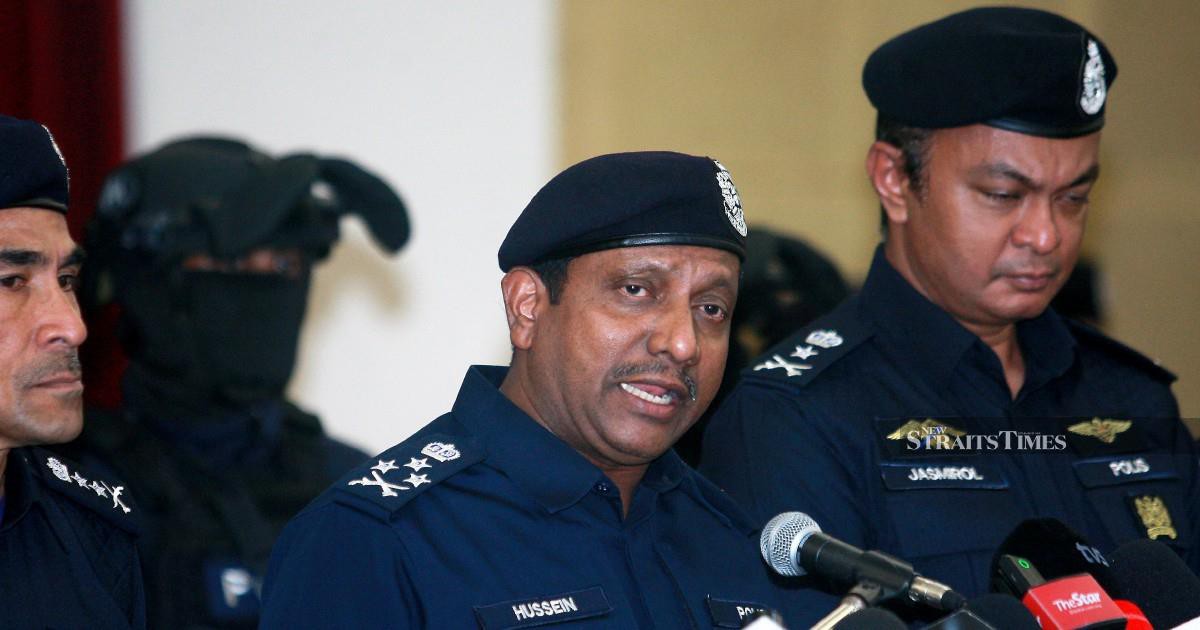
A team of four officers from the Royal Malaysian Police's Bukit Aman Narcotics Crime Investigation Department reached Jakarta early this morning to pursue enquiries into a Malaysian pilot currently held in custody by Indonesian authorities. The delegation has been granted a two-day window in which to conduct interviews with the detainee, marking a significant moment in cross-border cooperation between Malaysia and Indonesia on drug-related matters.
The arrival of the NCID contingent represents an intensification of official engagement regarding the case, though the precise allegations and circumstances surrounding the pilot's apprehension remain subject to confirmation through official channels. Such missions underscore the increasing coordination between Malaysian and Indonesian law enforcement agencies on transnational crime, particularly narcotics offences that frequently involve movement of contraband across Southeast Asian borders.
The Malaysian authorities' decision to dispatch investigators to Jakarta reflects the gravity attached to the matter and the importance of direct interrogation in criminal proceedings. The restricted timeframe allocated—a mere 48 hours—suggests either the early stage of Indonesian proceedings or the need for both nations to balance investigative needs with the protocols governing international police cooperation. Whether the pilot is a Malaysian citizen or resident remains officially unconfirmed, though such considerations typically influence the level of official involvement.
Indonesia has long maintained stringent enforcement policies regarding drug-related offences, with maritime trafficking routes through Indonesian waters a persistent concern for regional authorities. The archipelago's strategic position between major drug source and consumption areas makes it a critical transit zone, and instances of Malaysians becoming entangled in Indonesian drug cases have periodically tested diplomatic channels and law enforcement coordination mechanisms.
For Malaysian readers, such cases carry particular resonance given concerns about citizens detained abroad and questions surrounding the adequacy of consular support and legal representation. The swift deployment of NCID officers suggests Malaysia's foreign ministry and police leadership consider the case sufficiently pressing to warrant immediate investigative involvement, though the absence of public details limits broader analysis.
The two-day access window will be crucial for the Malaysian officers to establish direct facts, clarify the pilot's account of events, and potentially gather intelligence relevant to investigation of domestic elements if Malaysian territory or nationals were involved in the alleged activity. This compressed timeline places considerable pressure on investigators to prioritise questioning and extract maximum clarity within operational constraints.
Cross-border cooperation on narcotics enforcement between Malaysia and Indonesia has demonstrated variable effectiveness, constrained by language barriers, procedural differences between jurisdictions, and occasional tensions in bilateral relations. Successful outcomes depend substantially on the quality of liaison officers, pre-established protocols, and the willingness of both sides to share information and coordinate subsequent investigative steps.
The incident also highlights the continuing vulnerability of aviation sector personnel to involvement in transnational crime. Pilots' access to aircraft and relative freedom of movement across borders can render them attractive to criminal networks seeking to exploit logistics chains for contraband movement. Such vulnerabilities have prompted increased security protocols at Malaysian airports and heightened scrutiny of crew conduct and associations.
Official confirmation regarding the specific charges, the quantity of substances allegedly involved, and whether organised criminal groups feature in the investigation remains pending. These details will substantially determine whether the matter escalates to diplomatic levels and whether extradition or other bilateral legal arrangements become necessary considerations.
The Malaysian team will likely leverage this brief window to file preliminary reports with Bukit Aman headquarters, allowing senior officers to assess whether further engagement, legal representation arrangements, or diplomatic intervention may be warranted. The outcome of these initial interviews could shape Malaysia's position should the case proceed through Indonesian courts.
As regional drug trafficking patterns continue evolving, with synthetic narcotics and new routes increasingly dominating law enforcement concerns, cases involving aviation sector participants underscore the need for enhanced intelligence sharing and preventive measures targeting recruitment of personnel in positions of mobility and access. The pilot's detention and subsequent investigation may yield insights valuable across Southeast Asian aviation security networks.

