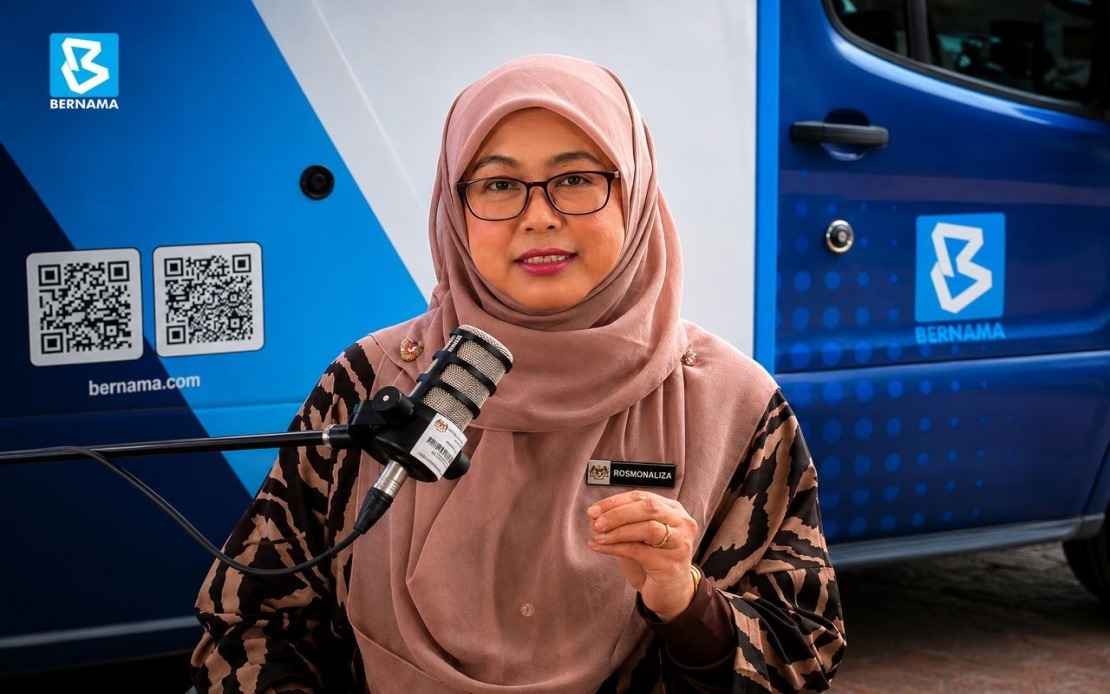
Contemporary family dynamics in Malaysia are undergoing significant transformation, prompting experts at the National Population and Family Development Board (LPPKN) to emphasise that paternal involvement extends far beyond financial provision. Speaking on the KASIH Lensa Keluarga podcast, LPPKN's Family Well-being Division director Rosmonaliza Abdul Ghani stressed that modern fathers must become architects of emotional stability and educational advancement within their households, fundamentally reshaping how Malaysian families approach child-rearing in an increasingly complex social environment.
The evolution of paternal responsibility reflects broader shifts in Malaysian household structures and economic realities. Where fathers once concentrated exclusively on earning income to sustain their families, contemporary research and social observation demonstrate that children's development depends critically on direct parental engagement across multiple dimensions. Rosmonaliza noted that fathers now function as catalysts for constructing resilient family units capable of weathering life's uncertainties, a role that demands emotional availability, consistent presence, and genuine investment in their children's psychological and academic trajectories.
Open communication within the family unit has become paramount to ensuring fathers maintain relevance and effectiveness in their parenting roles. Rosmonaliza highlighted that fathers who establish regular, meaningful dialogue with their children create foundations for trust and understanding that extend into adolescence and adulthood. This communicative framework allows fathers to identify emerging challenges early, provide age-appropriate guidance, and model healthy emotional expression for their children—qualities that traditional breadwinner-focused models often overlooked or actively discouraged.
A notable cultural shift is occurring among Malaysian men regarding mental health support and professional counselling. LPPKN reports increasing numbers of men willing to seek therapeutic assistance, both individually and alongside their spouses and children in family counselling settings. This represents a departure from earlier generations' tendency toward emotional suppression and self-reliance, suggesting that Malaysian society is gradually normalising the idea that seeking help strengthens rather than diminishes masculine identity. LPPKN has responded by establishing comprehensive support infrastructure including counselling services, therapeutic interventions, and personality assessments designed specifically for fathers navigating financial strain, psychological distress, and other personal difficulties.
The absence of engaged father figures correlates directly with multiple social pathologies affecting Malaysian communities. According to perspectives drawn from work with urban impoverished populations and street children, family disintegration frequently originates when fathers disengage from their paternal responsibilities. Substance abuse, particularly among household heads, creates cascading consequences that destabilise family structures and precipitate the social problems that subsequently occupy substantial government and non-governmental resources.
Approaching fathers facing hardship requires strategic compassion rather than punitive measures. Those working with vulnerable populations emphasise that shame-based or coercive interventions rarely succeed with individuals struggling with substance abuse, unemployment, or mental health challenges. Instead, interventions grounded in religious teachings, family principles, and genuine concern prove more effective at facilitating behaviour change and allowing fathers to reclaim their identity as responsible household leaders. Wisdom and empathy must accompany outreach efforts if Malaysia is to effectively reintegrate struggling fathers into productive family roles.
The supportive role of mothers and children themselves cannot be underestimated in helping fathers manage accumulated life pressures. Rosmonaliza stressed that when family members actively acknowledge and validate a father's struggles, they prevent the destructive spiral of emotional isolation and internalised despair that sometimes leads to more serious psychological breakdown or substance dependency. Children who grow up witnessing their mothers extend compassion toward fathers, and fathers reciprocating with emotional availability, develop sophisticated models of family interdependence and mutual support that they carry into their own adult relationships.
Material provision, while important, pales in comparison to a father's physical and emotional presence in a child's life. Rosmonaliza articulated a perspective often overlooked in discussions of parental obligation: children derive far greater security and developmental benefit from fathers who spend unscheduled, undistracted time with them than from fathers who accumulate possessions without connection. Quality interaction—whether through conversation, shared activities, or simple co-presence—deposits irreplaceable emotional capital that no consumer good can replicate.
The long-term implications of redefining paternal roles extend throughout Malaysian society. When fathers engage meaningfully in children's emotional development and educational progress, they contribute to reduced mental health challenges in the younger generation, improved academic outcomes, decreased youth delinquency, and stronger social cohesion. LPPKN's advocacy for expanded paternal engagement thus addresses not merely individual family health but societal stability and the nation's human capital development.
Young adults who have delayed appreciating their fathers' sacrifices often discover too late that opportunity for reconciliation has vanished. This intergenerational wisdom underscores the importance of cultivating gratitude and connection while parents remain present. The message emerging from LPPKN's research and counselling experience is fundamentally optimistic: Malaysian fathers are capable of transcending traditional constraints, and Malaysian society increasingly supports and validates this evolution.

