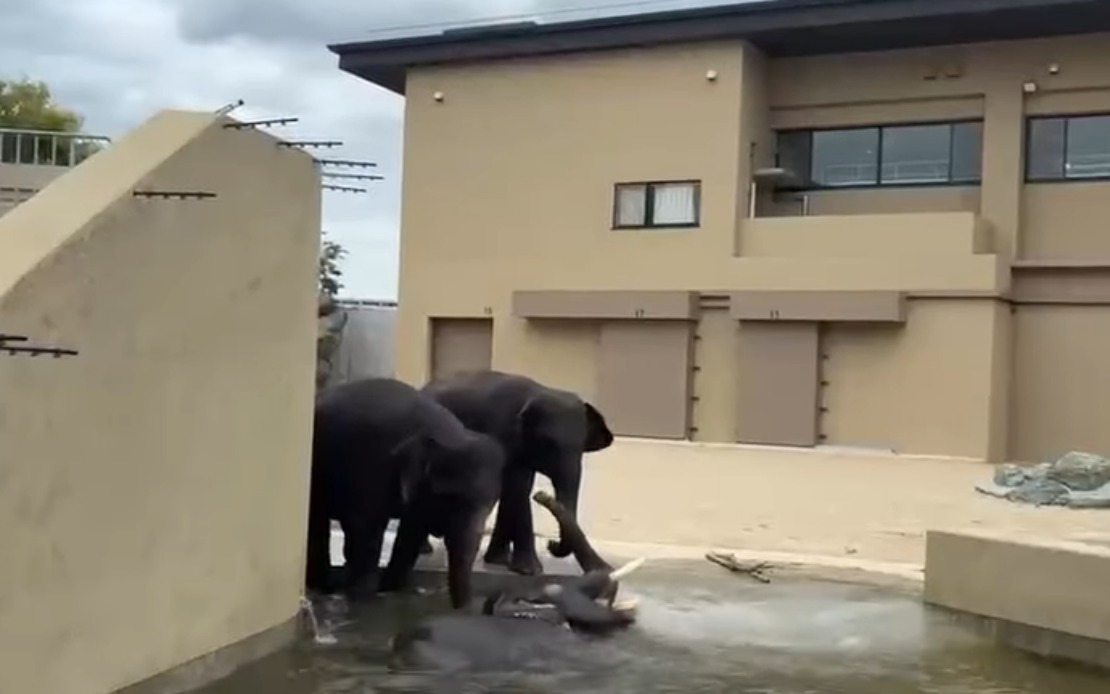
The three female elephants—Dara, Amoi and Kelat—residing at Tennoji Zoo in Osaka, Japan are continuing on a positive trajectory of health and development, according to the latest assessment from the facility's management. The animals, which arrived in Japan as part of a long-term international wildlife cooperation initiative, have demonstrated consistent improvements in their physical condition, with each elephant recording measurable weight gains over recent monitoring periods. The progress represents an important milestone for what officials describe as a landmark conservation partnership between Malaysia and Japan.
Kelat has shown the most substantial improvement, gaining 260 kilogrammes since the baseline measurements were taken, while her companions Dara and Amoi have registered increases of 35 kilogrammes and 30 kilogrammes respectively. These figures, drawn from veterinary records maintained at the Japanese facility, indicate that the animals are responding well to their new environment and the care protocols established specifically for their welfare. The weight gains suggest adequate nutrition, appropriate living conditions and effective health management by the zoo's professional team.
Taipoing Municipal Council (MPT) president Mohamed Akmal Dahalan underscored the deliberate approach taken to ensure the elephants receive optimal nutrition tailored to their species-specific needs. The daily diet provided to the trio encompasses multiple components carefully selected and prepared by qualified animal care specialists working in consultation with veterinary professionals. The feed programme emphasises natural vegetation sources, with various hay varieties forming the foundation of their nutritional intake, supplemented by bamboo shoots, fresh grass, cabbage and commercially formulated elephant pellets developed to meet precise dietary requirements.
The commitment to maintaining the highest standards of animal welfare extends beyond daily feeding routines. MPT has established an ongoing collaborative monitoring framework with the Department of Wildlife and National Parks (Perhilitan) Peninsular Malaysia, creating a dual-oversight structure intended to verify that care standards are consistently upheld. This arrangement allows Malaysian wildlife authorities to maintain visibility into the elephants' condition and management protocols, ensuring that the animals continue to receive treatment aligned with both international best practices and Malaysia's own conservation standards. The partnership represents a practical application of Malaysia's commitment to transparency in international wildlife agreements.
The three elephants arrived in Japan under a formal bilateral accord originally executed between Tennoji Zoo and Zoo Taiping & Night Safari—the latter represented by MPT—through agreements signed on May 19, 2022 and October 6, 2022. These documents establish a framework for a 25-year cooperation period, positioning the arrangement as a substantial long-term commitment between the two institutions. The extended timeline reflects both the complexity of maintaining elephants in captivity and the serious nature of the institutional partnership, with considerable planning and resource allocation required to sustain the programme across multiple decades.
MPT officials have moved to address public discourse surrounding the elephants' transfer and current status by emphasising the factual foundations underlying their assertions regarding animal welfare. Mohamed Akmal stressed the importance of distinguishing between evidence-based assessments and unsubstantiated claims, arguing that public debate concerning the elephants' wellbeing should draw upon verified information and professional evaluations rather than speculation. This stance reflects broader concerns within Malaysian conservation circles about ensuring that international wildlife initiatives maintain credibility with domestic audiences, particularly when animals are relocated abroad.
The Malaysian administration has framed its transparency commitments as integral to safeguarding both the current cooperative arrangement and the broader ecosystem of international wildlife conservation partnerships. By extending full cooperation to relevant authorities conducting any reviews or investigations related to the programme, MPT seeks to demonstrate institutional integrity and accountability. Officials acknowledge the legitimate right of Malaysian citizens to express concerns about the elephants' welfare while simultaneously advocating for discourse grounded in professional assessment rather than potentially misleading narratives. This balancing act reflects the delicate nature of public diplomacy surrounding animal welfare in international contexts.
From a regional perspective, the Malaysian-Japanese elephant cooperation programme exemplifies the type of biodiversity initiatives that Southeast Asian nations are increasingly pursuing with developed economies. Japan has invested significantly in modern zoo facilities and animal husbandry expertise, while Malaysia contributes specimens from its own wildlife populations while maintaining oversight of their welfare. Such arrangements carry implications for how Malaysia positions itself within global conservation networks, potentially influencing future opportunities for wildlife research, breeding programmes and international scientific collaboration. The success or perceived failure of current initiatives affects the political capital available for negotiating subsequent agreements.
The case also highlights ongoing tensions between wildlife conservation objectives and animal welfare advocacy, particularly when high-profile species like elephants are involved. Conservation programmes frequently depend upon international cooperation and cross-border animal movements, yet such initiatives face increasing scrutiny from animal rights constituencies that question whether captive settings, however well-managed, genuinely serve conservation purposes. Malaysian authorities must navigate these competing pressures while maintaining the institutional relationships necessary for engaging with international partners on biodiversity protection and research initiatives.

