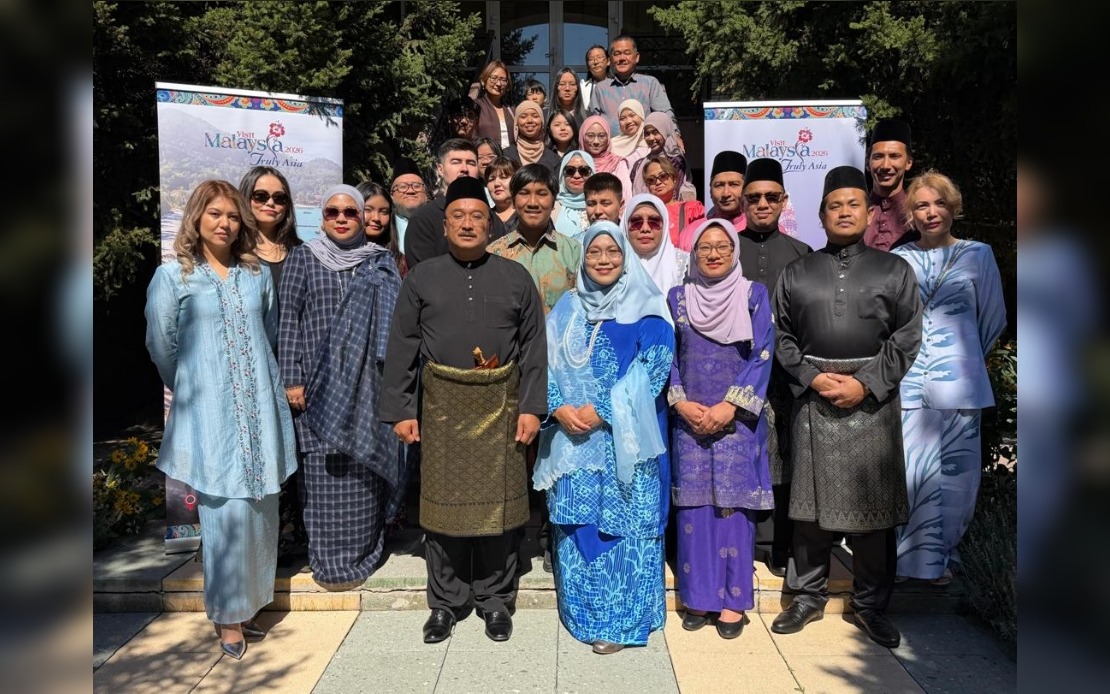
The Malaysian community in Kazakhstan demonstrated its enduring patriotic commitment on Saturday when it assembled at Malaysia House in Astana for a formal celebration of Malaysia's 69th National Day. Organised by the Embassy of Malaysia in Astana, the ceremony featured the ceremonial raising of the Jalur Gemilang, the solemn singing of Negaraku, and the collective recitation of the Rukun Negara. The occasion underscored how geographic distance—Kazakhstan sits more than 5,000 kilometres away—does not diminish the cultural and civic bonds that connect Malaysians dispersed across the globe to their homeland.
Malaysian Ambassador to Kazakhstan Mohd Adli Abdullah used the platform to articulate the deeper meaning behind this year's National Day theme, "Malaysia MADANI: Prosperity Enjoyed". He stressed that national development transcends mere economic metrics and infrastructure expansion. Instead, he framed prosperity as a measure of how equitably and comprehensively the fruits of progress are distributed across all strata of society. This framing reflects a philosophical shift in how Malaysia's leadership evaluates national success—moving beyond gross domestic product figures to encompass social cohesion, inclusivity, and shared wellbeing.
The Ambassador's remarks carried particular significance for the gathering of Malaysian students, MTCP alumni, embassy personnel, and friends of Malaysia assembled at the venue. Adli emphasised that every Malaysian abroad bears an implicit responsibility to serve as a cultural ambassador, tasked with burnishing Malaysia's international standing whilst fostering domestic unity. His call for Malaysians in Kazakhstan to embody the principles of hard work, integrity, discipline, courtesy and collective spirit resonated with the diplomatic objective of strengthening Malaysia's soft power and reputation within Central Asia.
The event coincided with the MTCP Alumni Get-Together 2026, reflecting the intricate connection between official diplomatic functions and the substantive human capital initiatives that undergird Malaysia-Kazakhstan relations. The Malaysia Technical Cooperation Programme, established in 1980 as part of Malaysia's broader South-South cooperation framework, has evolved into a significant mechanism for knowledge transfer and institutional capacity-building among developing nations. For nearly half a century, this initiative has positioned Malaysia as a credible development partner capable of sharing applicable expertise with peers facing comparable developmental challenges.
Kazakhstan stands as a substantial beneficiary of this cooperation framework. As of 2025, a cumulative total of 196 Kazakh officials have participated in various capacity-building programmes administered through the MTCP. These training initiatives and postgraduate study opportunities have enabled Kazakhstani public servants to acquire skills and knowledge directly transferable to their home institutions. The programme thus transcends the ceremonial dimensions of diplomatic relations, creating tangible bonds of professional kinship and mutual learning between Malaysian and Kazakhstani counterparts.
For Malaysia, the MTCP represents far more than a development assistance mechanism. It constitutes a strategic instrument for expanding Malaysia's influence within the developing world while simultaneously positioning the country as a repository of practical expertise in areas ranging from governance to technical skills. The decision to host the alumni gathering during National Day celebrations underscores how Malaysia consciously integrates its development partnerships into its broader diplomatic narrative. By bringing together Kazakh officials who have benefited from Malaysian training programmes, the embassy demonstrates the concrete institutional returns generated through bilateral cooperation.
The concentration of Malaysian students and professionals in Kazakhstan reflects broader patterns of Southeast Asian engagement with Central Asia. As Malaysia seeks to diversify its diplomatic footprint beyond its traditional Asia-Pacific sphere of influence, communities such as those in Kazakhstan become valuable nodes within a network of cultural and professional connections. These expatriate communities serve dual functions: they maintain emotional and institutional ties to Malaysia whilst simultaneously facilitating people-to-people understanding with their host countries.
The emphasis on Malaysia MADANI values during the Astana celebration acquires additional resonance when considered within Kazakhstan's own development trajectory. As a Central Asian nation pursuing modernization whilst grappling with questions of inclusive growth, Kazakhstan can draw inspiration from Malaysia's attempts to recalibrate how national progress is defined and measured. The thematic alignment between Malaysia's philosophical reorientation toward inclusive prosperity and Kazakhstan's own developmental aspirations creates fertile ground for deeper collaboration beyond the traditional capacity-building framework.
Looking forward, the Embassy's statement underscored its commitment to comprehensively strengthening Malaysia-Kazakhstan relations through three interconnected channels: strategic governmental cooperation, robust people-to-people exchanges, and systematic expertise-sharing in human capital development. This tripartite approach reflects contemporary diplomatic thinking that recognises sustainable bilateral relationships rest upon foundations that extend beyond official state interactions to encompass civil society, professional networks, and individual-level connections. The National Day celebration in Astana exemplified precisely this integrated approach to modern diplomacy.
For Malaysian readers, the significance of such celebrations extends beyond nostalgic patriotic ritual. They represent tangible evidence of Malaysia's expanding diplomatic reach and its capacity to foster meaningful relationships with diverse partners across multiple continents. The presence of Malaysian students and young professionals in Kazakhstan, combined with the presence of Kazakhstani officials trained through Malaysian programmes, illustrates how Malaysia continues to punch above its weight in international development cooperation. As Malaysia positions itself as a developing nation capable of mentoring other emerging economies, celebrations like that in Astana serve as quiet affirmations of the country's growing maturity and confidence within the global order.

