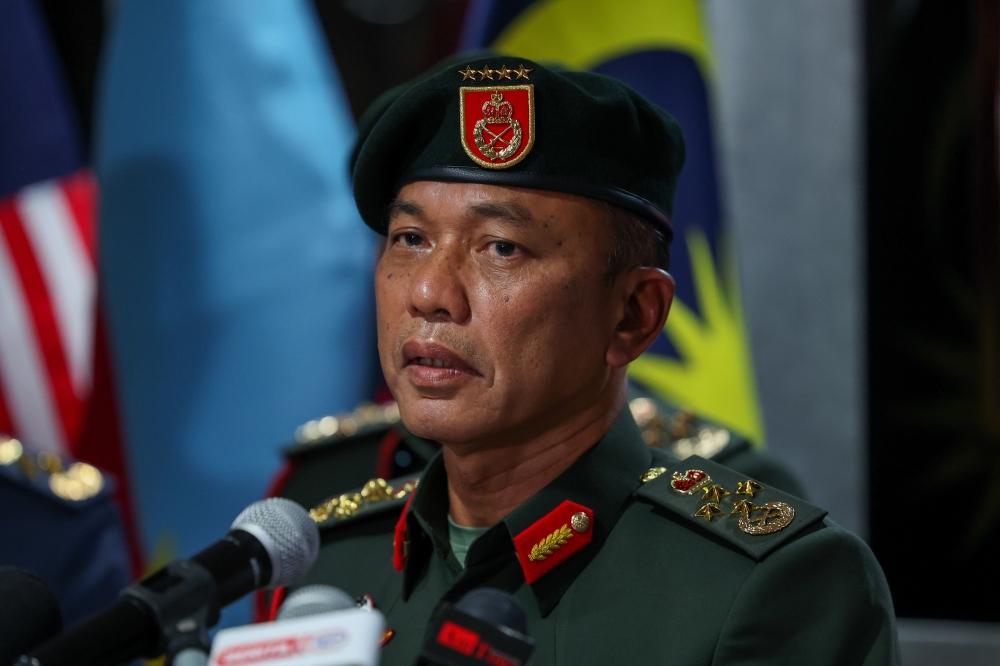
The Malaysian Army on July 15 issued a statement pushing back against allegations of sexual assault involving one of its members, asserting that findings from its internal inquiry contradicted the narrative presented in viral social media posts. The defence force maintained that its investigation process had been thorough and that no evidence corroborated the serious claims that had gained traction online in recent weeks.
The emergence of such allegations through social media channels rather than formal complaint mechanisms underscores a growing tension in Malaysia between the speed and reach of online accusations and the deliberative pace of institutional investigations. When allegations gain viral momentum before official channels have had opportunity to examine them, the resulting pressure on both accused and accuser complicates the pursuit of justice and factual clarity. For the Malaysian Army, the situation presented a particular challenge given the institution's interest in maintaining discipline and public confidence in its personnel management systems.
The Army's statement implied that while the allegations had captured public attention and generated significant discussion, the substance of those claims did not withstand scrutiny when subjected to formal investigation procedures. This discrepancy between viral narratives and investigative findings raises important questions about how allegations are verified in the digital age, particularly when they involve military personnel whose status and occupation carry particular symbolic weight in Malaysian society. The institutional investigation presumably involved interviews with relevant parties, examination of evidence, and application of the Army's established protocols for handling serious misconduct allegations.
Such episodes increasingly test the credibility of both social media justice campaigns and traditional institutional accountability mechanisms. Malaysian audiences have witnessed multiple instances where online outrage has prompted action from authorities, but also cases where initial allegations proved inaccurate or based on incomplete information. The gap between what circulates online and what subsequent investigation reveals remains a persistent challenge for public discourse, affecting not only military matters but corporate governance, political conduct, and criminal justice across the region.
The Army's position that its internal probe contradicted the viral allegations suggests that either the original claims contained factual errors, misrepresentations, or were based on misunderstandings of circumstances. Without access to the full investigative record, the public cannot independently verify the specifics of what the inquiry examined or the standard of evidence applied. This opacity, while protecting privacy interests in sensitive cases, also limits the public's ability to understand how military institutions handle serious allegations and whether their investigative standards align with public expectations.
For Malaysian civil society, the incident highlights ongoing debates about military accountability and transparency. The defence force, like security services globally, operates within a framework that balances institutional integrity, operational security, and individual rights. When allegations emerge through social media rather than formal complaint channels—whether through military, police, or civilian courts—the institution may be forced into a defensive posture rather than collaborating transparently with those making claims. This dynamic can discourage legitimate complainants from pursuing cases through official mechanisms if they perceive greater efficacy in online mobilization.
The statement by the Malaysian Army also reflects broader regional patterns. Across Southeast Asia, militaries and security forces increasingly grapple with allegations amplified by social media, requiring them to engage with public opinion while maintaining institutional processes. Thailand, Indonesia, and other neighbours face similar challenges as allegations of misconduct by security personnel gain viral attention, sometimes prompting swift institutional responses and other times generating scepticism about the adequacy of investigations.
Moving forward, the situation underscores the importance of clear, accessible complaint mechanisms that encourage those alleging misconduct to come forward through formal channels while providing sufficient transparency to satisfy public concern about accountability. For the Malaysian Army specifically, rebuilding confidence in its personnel management may require greater openness about investigation procedures and outcomes, balanced against legitimate privacy and security considerations. The institution's reputation for professionalism depends partly on how it handles not only actual misconduct but also false or unsubstantiated allegations, responding with neither excessive defensiveness nor credulous acceptance of unverified claims.
The broader implications extend to how Malaysian society manages the intersection of digital activism and institutional accountability. Neither blind trust in viral campaigns nor dismissal of social media-generated allegations serves the cause of justice. Instead, developing mechanisms that harness the monitoring power of public attention while maintaining rigorous investigative standards represents the challenge facing Malaysian institutions across the military, civilian law enforcement, and judicial systems. The Army's statement, regardless of its accuracy in this specific case, illustrates why such mechanisms remain urgently needed.

