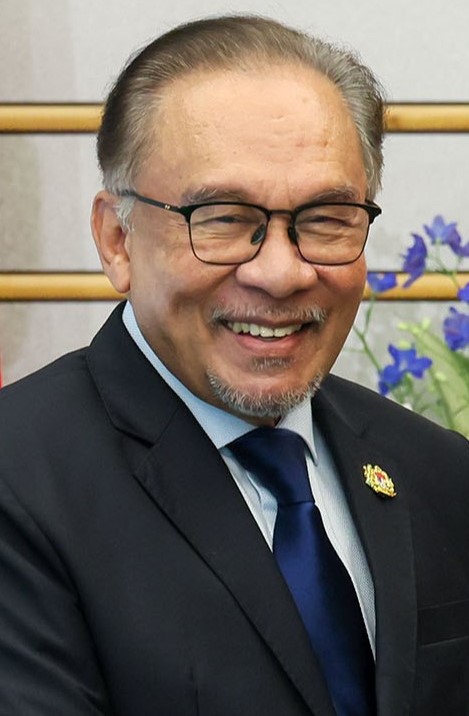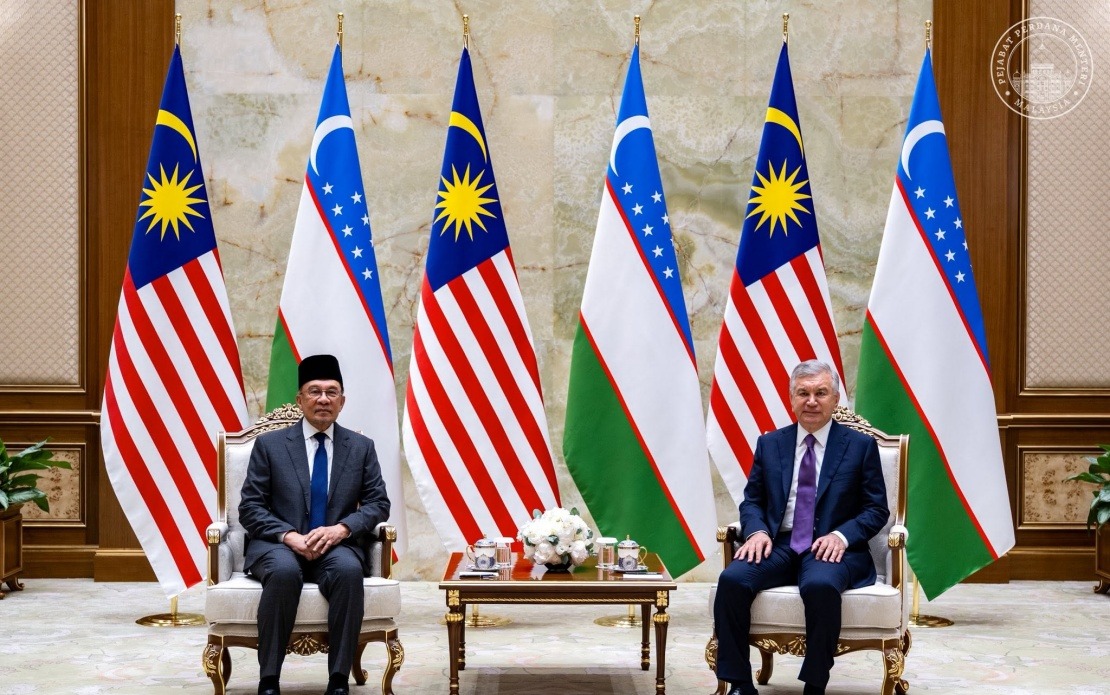
Prime Minister Datuk Seri Anwar Ibrahim has signalled Malaysia's readiness to deepen its engagement with Uzbekistan across a spectrum of strategic sectors, highlighting energy, trade, investment, education, the halal industry and tourism as key areas for bilateral advancement. The announcement came during a brief but substantive encounter between Anwar and Uzbekistan President Shavkat Mirziyoyev in Tashkent, where the Malaysian delegation's aircraft made a scheduled stop en route to Kazan for the ASEAN-Russia Commemorative Summit on June 17-18.
The timing of the meeting underscores Malaysia's broader Central Asian strategy. Rather than treating the stopover as a mere transit point, Anwar leveraged the opportunity to establish a political dialogue with Mirziyoyev, signalling Kuala Lumpur's commitment to nurturing relationships beyond traditional Southeast Asian partnerships. This reflects a wider Malaysian foreign policy approach of diversifying economic and diplomatic engagement across multiple regions, particularly as competition for influence in Central Asia intensifies among larger powers.
Energy cooperation emerged as perhaps the most economically significant dimension of the bilateral discussion. Both leaders recognised substantial potential in the gas and petroleum sectors, areas where Uzbekistan possesses considerable reserves and technical expertise. For Malaysia, which remains energy-dependent and faces evolving global energy dynamics, partnerships with Central Asian producers could enhance supply security and reduce over-reliance on traditional sources. Conversely, Uzbekistan benefits from access to Malaysian markets and technical expertise in downstream operations and energy trading, creating a mutually reinforcing commercial relationship.
Beyond commercial considerations, the leaders discussed the philosophical and cultural dimensions of their partnership. Anwar emphasised the importance of collaborative efforts in preserving Islamic civilisation's intellectual heritage and scholarly traditions that have historically contributed to global human advancement. This framing elevates the relationship beyond transactional economics, positioning it within a broader civilisational dialogue that resonates with Malaysia's identity as a Muslim-majority nation and regional Islamic knowledge hub. Uzbekistan, with its own rich Islamic historical legacy spanning the Silk Road, shares complementary interests in this domain.
The halal industry represents a particularly strategic sector for Malaysia, where domestic expertise and certification standards have become globally influential. Uzbekistan's growing engagement with Islamic finance and halal commerce provides an untapped market opportunity, while Malaysian companies can leverage their established credentials and operational experience to penetrate Central Asian markets. This sector encapsulates how Malaysia can translate its religious and cultural position into concrete economic advantage across diverse geographies.
Trade and investment discussions acknowledged the underdeveloped potential between the two nations. Currently, bilateral commerce remains modest compared to Malaysia's engagement with other regional partners, suggesting substantial room for expansion. Malaysian companies, particularly in sectors ranging from manufacturing to digital services, could find receptive markets in Uzbekistan's ongoing economic liberalisation efforts under Mirziyoyev's reform agenda. Equally, Uzbek enterprises might establish footholds in Southeast Asia through Malaysian partnerships, creating integrated regional supply chains.
Educational cooperation was identified as another avenue for strengthening ties. Malaysian universities and technical institutions increasingly attract Central Asian students, whilst academic partnerships could facilitate knowledge transfer in areas such as Islamic studies, commerce, and engineering. These educational linkages serve dual purposes: they generate revenue for Malaysian institutions while creating alumni networks that foster long-term diplomatic and commercial relationships across Central Asia.
Anwar's remarks about strengthening relations to elevate human dignity and empower knowledge reflect a humanitarian dimension often overshadowed by commercial discussions. This rhetorical emphasis, however sincere, also indicates Malaysia's strategic interest in positioning itself as a responsible global actor committed to inclusive development—a narrative that strengthens its diplomatic standing within multilateral forums and appeals to international audiences increasingly focused on sustainable development goals.
The broader context of this bilateral engagement involves Malaysia's participation in the ASEAN-Russia summit immediately following the Tashkent meeting. By establishing stronger ties with a Central Asian nation before engaging with Russia, Malaysia demonstrates balanced diplomatic positioning and diverse engagement across Eurasia. This approach helps Malaysia maintain strategic flexibility whilst avoiding perceptions of over-alignment with any single power.
Tashkent's strategic location along historical and contemporary trade corridors makes it a natural nexus for Malaysian outreach into Central Asia. Uzbekistan, as the region's most populous nation and economic anchor, serves as a gateway to broader Central Asian markets. Malaysian diplomatic success in deepening relations with Mirziyoyev's administration could create spillover effects, facilitating Malaysian access to neighbouring nations and regional organisations such as the Shanghai Cooperation Organisation.
For Uzbekistan, deepening ties with Malaysia offers access to Southeast Asian markets and regional institutions, particularly ASEAN. Central Asian nations have increasingly sought enhanced engagement with ASEAN, recognising the bloc's economic dynamism and geopolitical significance. Malaysia, as a prominent ASEAN member and leading Muslim-majority economy, occupies an optimal position to serve as Uzbekistan's principal gateway into these networks.
The practical implementation of these cooperation areas will determine whether this diplomatic engagement translates into sustained mutual benefit. Business councils, joint commissions, and sectoral working groups will likely emerge as mechanisms for translating political goodwill into concrete projects. The halal industry, given Malaysia's existing infrastructure and global network, may advance most rapidly, whilst energy partnerships require longer development horizons and substantial capital investment.
Anwar's gesture of wishing Uzbekistan's national football team success in the 2026 FIFA World Cup qualifier against Colombia, though apparently tangential, reinforces the cultural and people-to-people dimensions of the relationship. Such gestures, whilst modest, contribute to creating a favourable diplomatic atmosphere and demonstrate genuine engagement beyond formal state interests. This humanising element of international relations often facilitates broader cooperation by establishing rapport and goodwill between leadership echelons.