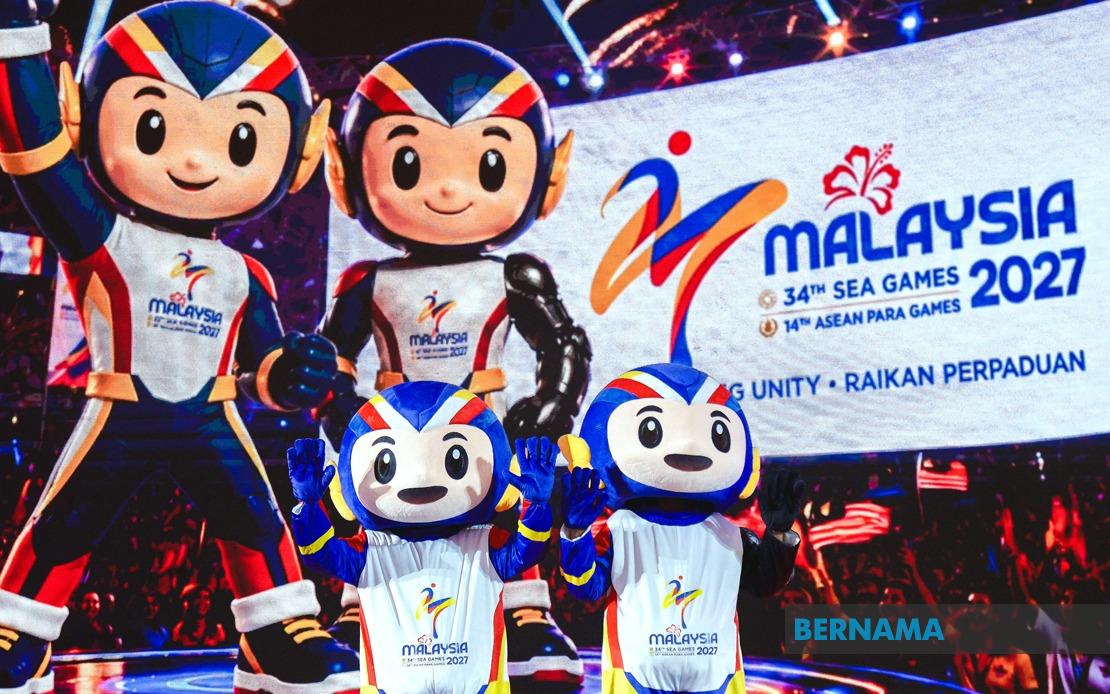
Malaysia has officially launched the thematic identity for the 2027 SEA Games and ASEAN Para Games, selecting "Celebrating Unity" as a unifying message that will define the Games across both competitions scheduled for the coming year. The announcement, made in Putrajaya by Youth and Sports Minister Dr Mohammed Taufiq Johari, marks a significant milestone in the nation's preparations as host of one of Southeast Asia's most anticipated sporting events. The chosen theme signals Malaysia's commitment to fostering regional solidarity through sport while positioning the Games as a platform for athletes to transcend personal boundaries and achieve excellence.
The mascot unveiled alongside the theme represents a departure from convention. Named TUAH, the character embodies contemporary sporting heroism rather than drawing from animal imagery as seen in previous editions of the Games across the region. This shift reflects a deliberate choice to present a modern, relatable figure that resonates with today's athletes and younger audiences. The humanoid design emphasizes dynamism, confidence, and approachability, qualities that Dr Mohammed Taufiq identified as central to the Games' inspirational messaging. By moving away from animal mascots, Malaysia is signalling a maturation in how it presents the regional competition to a global audience.
Visually, TUAH incorporates the colours of the Jalur Gemilang, Malaysia's national flag, a symbolic choice that reinforces national identity while celebrating collective regional pride. This chromatic decision connects individual athlete achievement to broader national aspirations, binding personal triumph to communal success. The use of flag colours in the mascot's design serves dual purposes: it maintains visual consistency with Malaysia's hosting identity while affirming that the Games represent more than sporting competition—they embody the values and pride of the nation itself. This approach allows Malaysian supporters to see themselves reflected in the mascot's appearance and spirit.
The minister expressed optimism that TUAH would serve as a positive talisman for Malaysia's ambitions on home soil. Historically, host nations leverage symbolic elements like mascots to energize domestic support and create momentum for medal success. Dr Mohammed Taufiq's invocation of luck associated with the mascot suggests Malaysia is positioning TUAH as an emblem of national fortune and collective blessing for the Games period. This cultural dimension, while seemingly intangible, can significantly influence team morale, public engagement, and the overall atmosphere surrounding the competition.
Infrastructural readiness forms a cornerstone of Malaysia's hosting capability. The minister reported that sporting facilities distributed across four geographic clusters—Sarawak, Penang, Johor, and Kuala Lumpur—have encountered no significant complications during construction and development phases. This distributed venue approach represents a logistical challenge that extends beyond traditional single-city hosting models. By spreading competitions across multiple states, Malaysia is attempting to bring the Games experience to different regions while distributing hosting responsibilities and economic benefits. However, this configuration demands extraordinary coordination across state and federal authorities, making the reported absence of major facility issues a noteworthy achievement in project management.
Current focus has shifted from infrastructure completion toward technical preparations and operational readiness. Dr Mohammed Taufiq indicated that attention now centres on ensuring seamless coordination of competition schedules, athlete accommodations, transportation networks, and security protocols. The statement that operations are progressing according to established timelines provides reassurance to international sporting bodies and participating nations. For Malaysia, maintaining this trajectory is essential for credibility, as delays or complications could undermine the Games' quality and Malaysia's reputation as a capable regional host.
The National Sports Council has set an ambitious target: achieving 70 percent of Malaysian athletes finishing on the podium at Asian-level competitions by year-end. This metric serves as a preliminary indicator of Malaysia's competitive strength heading into the 2027 Games. The NSC director-general Jefri Ngadirin has framed this target explicitly as a barometer for Malaysia's prospects of securing overall medal leadership when hosting the event. This approach reveals a strategic mindset wherein the Games represent both a hosting achievement and a measurable sporting objective, with medal counts serving as tangible evidence of national investment in athletic development.
The 2027 schedule reflects deliberate separation between able-bodied and para-athlete competitions. The SEA Games proper will run from September 18 to 29, creating a dedicated window for traditional Olympic sports and disciplines. Following this, the ASEAN Para Games will occur from October 17 to 23, ensuring distinct preparation periods and focused media attention for each competition. This sequential arrangement differs from some previous instances where both events overlapped significantly, potentially spreading resources and attention. Malaysia's decision to separate the competitions by roughly three weeks demonstrates commitment to providing each Games iteration with its own spotlight and dedicated support infrastructure.
The implications for Malaysian and regional athletics are substantial. By establishing an aspirational theme and contemporary mascot, Malaysia is signalling that the 2027 Games will reflect modern sporting values while maintaining respect for regional traditions and solidarity. The theme "Celebrating Unity" directly addresses ongoing discussions within ASEAN about regional cooperation, shared identity, and collective progress in sport development. For athletes across Southeast Asia, this messaging suggests that the Games transcend national competition, offering instead a platform for demonstrating how sport can unite diverse nations under common ideals.
International observers will scrutinize Malaysia's execution across the coming months. The unveiling of official branding elements—theme, mascot, and logo—provides the public-facing framework within which all subsequent preparations will be measured. Success in delivering the 2027 Games will likely influence how Southeast Asia approaches future major sporting events and whether the region can sustain momentum in developing athletic infrastructure and international sporting capacity. Malaysia's performance as host will establish benchmarks for regional hosting excellence and potentially shape expectations for future Games rotations within ASEAN.

