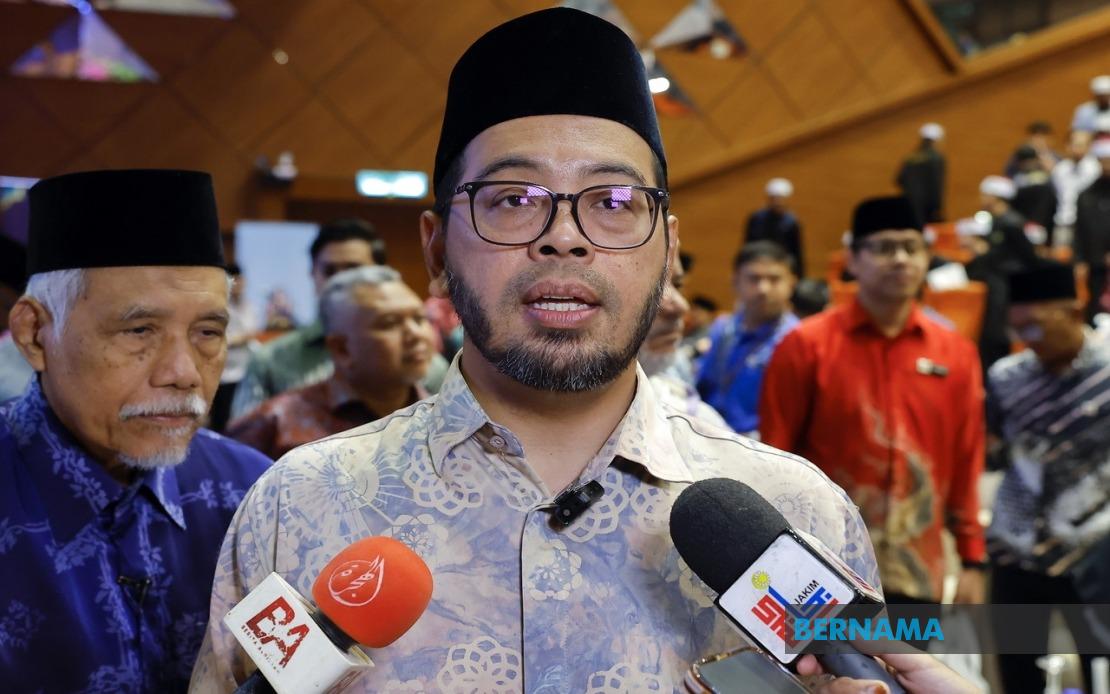
The Malaysian government has committed to strengthening its outreach to young people in response to concerns raised by the Sultan of Perak about rising extremism and digital misinformation. Speaking in Putrajaya on June 18, Minister in the Prime Minister's Department (Religious Affairs) Dr Zulkifli Hasan announced that his ministry would adopt the Sultan's recent royal address as a foundational guide for future youth-focused initiatives and programmes across the country.
Sultan Nazrin Shah's intervention last Friday highlighted an increasingly pressing problem: religious and community leaders are not engaging effectively enough with younger Malaysians who face mounting challenges in the digital landscape. The Sultan specifically called for more active participation from religious figures in addressing the interconnected threats of extremism, misinformation, and social polarisation that have accelerated through online platforms. His concerns reflect a broader Southeast Asian anxiety about how digital tools are being weaponised to radicalise youth and undermine social cohesion.
Dr Zulkifli emphasised that the Prime Minister's Department views the Sultan's message as a mandate rather than mere advisory guidance. The minister indicated that the department's approach would involve mainstreaming the themes and reminders articulated by the Sultan across all departmental operations and policy decisions. This signals a top-down institutional commitment to reshape how government engages with younger demographics on matters of religious understanding and social resilience.
The timing of this announcement is significant given Malaysia's complex religious landscape and the government's ongoing efforts to position itself as a moderate Islamic voice in Southeast Asia. Youth engagement on religious matters remains contentious, particularly as competing narratives circulate online from both extremist and counter-extremist actors. The Sultan's address suggests the monarchy views the current approach as inadequate and that more structured, intentional engagement is necessary.
Young Malaysians today encounter a distinctive constellation of modern pressures. Climate anxiety, geopolitical conflicts, economic instability following pandemic disruptions, and algorithmic amplification of divisive content create an environment where extremist recruitment narratives can find receptive audiences. Additionally, institutional trust among youth has eroded significantly, with many young people questioning traditional authorities and established institutions. This trust deficit makes them simultaneously more sceptical of extremist propaganda but also more vulnerable to alternative ideologies that promise clearer answers to complex problems.
The digital polarisation dimension identified by Sultan Nazrin is particularly relevant for Malaysia, a multiethnic and multireligious nation where online spaces have occasionally become flashpoints for communal tension. Social media algorithms, designed to maximise engagement through contentious content, often amplify sectarian grievances and identity-based conflicts. Religious leaders equipped with digital literacy and genuine youth relationships could serve as crucial counterweights, offering authentic engagement that competes with algorithmic amplification of extremism.
For Malaysia specifically, youth disengagement from mainstream religious institutions could push young people toward either complete secularisation or heterodox Islamic interpretations. A government strategy that positions religious leaders—both Muslim and non-Muslim—as approachable guides rather than distant authorities may help retain young people within moderate institutional frameworks. This requires training, resources, and cultural shifts within religious establishments that have traditionally maintained hierarchical, top-down communication structures.
The announcement also carries implications for Malaysia's position within regional and global counterextremism discourse. Southeast Asia faces particular challenges from transnational extremist networks that exploit economic grievances and religious identity among marginalised youth. Malaysia's experience with both preventing radicalisation and rehabilitating former extremists provides valuable lessons, but the Sultan's intervention suggests official channels believe current efforts require acceleration and deepening. International partnerships with countries facing similar challenges could amplify the effectiveness of Malaysian initiatives.
Implementing the Sultan's vision will require coordination across multiple departments—not merely the Religious Affairs ministry. Education, digital services, youth development, and law enforcement agencies must align on messaging and strategy. The government will need to invest in training religious leaders for digital engagement, develop age-appropriate content addressing youth concerns, and create feedback mechanisms so young people feel genuinely heard rather than lectured to. This represents a significant institutional shift from traditional religious institutional responses.
Moving forward, success will depend on whether initiatives remain primarily top-down messaging campaigns or evolve into genuine dialogical spaces where youth shape religious discourse. The Sultan's emphasis on religious leaders playing an active role implies partnership and responsiveness rather than unilateral instruction. Malaysian policymakers must balance the legitimate goal of preventing extremism with the equally important objective of respecting religious pluralism and protecting youth from potential abuse of youth engagement programmes for propagandistic purposes.
The announcement reflects growing recognition across the Muslim world that traditional institutional responses to extremism have proven insufficient. Youth today demand authenticity, peer-level engagement, and acknowledgment of their legitimate concerns about global injustice and institutional failures. Malaysia's Religious Affairs Ministry now has the royal backing and political mandate to experiment with innovative approaches to youth engagement. Whether these efforts prove transformative or merely rhetorical will become evident within 12 to 24 months as specific programmes emerge and their uptake among young Malaysians becomes measurable.

