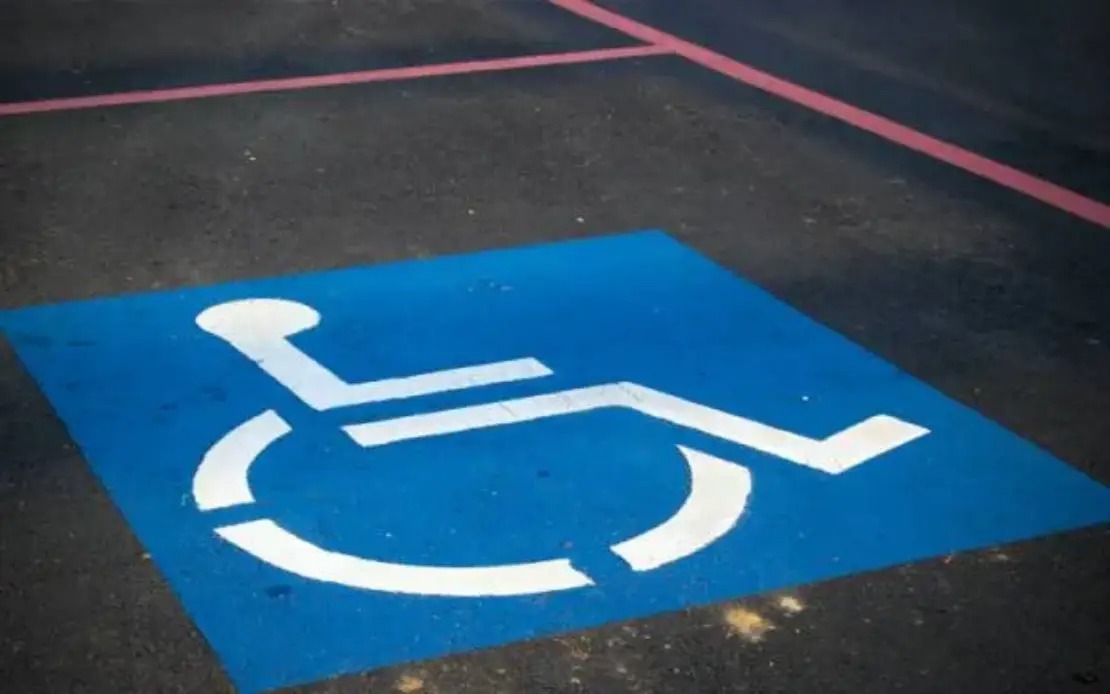
The Malaysian government has embarked on a renewed effort to combat the widespread misuse of parking facilities reserved for people with disabilities, signalling a shift towards more assertive enforcement across local authorities nationwide. Deputy Housing and Local Government Minister Datuk Aiman Athirah Sabu announced that a collaborative initiative between the Transport Ministry and Housing and Local Government Ministry received formal approval during the National Council for Local Government meeting on August 20, 2025, paving the way for a cohesive legal framework to address this persistent social issue.
The new approach represents a significant departure from previous scattered enforcement efforts, as it seeks to standardise the legal powers available to local councils throughout the country. By establishing uniform guidelines, orders, and by-laws across all municipal and city councils, the government aims to eliminate discrepancies in how different local authorities handle violations and ensure that wrongdoers face consistent consequences regardless of location. This standardisation is particularly important in Malaysia's diverse local government landscape, where administrative boundaries often create enforcement gaps that enable violators to exploit regulatory inconsistencies.
Under the strengthened framework, local authorities will now possess explicit legal authority to pursue enforcement action with considerably greater rigour than previously permitted. The measures include the imposition of maximum compound penalties and, notably, mandatory vehicle towing for vehicles illegally occupying disabled parking bays. This escalation in enforcement tools sends a clear deterrent message to potential violators, as the loss of a vehicle for towing purposes represents a substantial inconvenience and financial burden that goes beyond traditional parking fines. The implementation of such measures reflects growing recognition that voluntary compliance has proven insufficient in addressing systematic abuse.
The initiative holds particular significance for Malaysia's disabled community, who have long struggled with the practical consequences of parking bay misuse. When non-disabled drivers occupy these specially designated spaces, individuals with mobility challenges face substantial difficulties accessing essential services including healthcare facilities, government offices, and shopping centres. This accessibility barrier extends beyond mere inconvenience, as it effectively restricts the independence and participation of disabled citizens in everyday community activities. By strengthening legal protections, the government acknowledges that accessibility rights are not merely conveniences but fundamental entitlements that support social inclusion and dignity.
From a broader governance perspective, this initiative demonstrates how federal and local authorities can collaborate to create comprehensive solutions to persistent social problems. The approval process through the National Council for Local Government suggests that the government recognises the need for unified standards when addressing issues that transcend individual municipal jurisdictions. Such coordinated approaches, when properly implemented, tend to achieve greater effectiveness than fragmented local efforts, as they prevent violators from exploiting administrative boundaries and ensure that enforcement standards meet consistent national benchmarks.
In parallel, the government has continued advancing legislative reforms affecting other vulnerable populations. Deputy Rural and Regional Development Minister Datuk Rubiah Wang outlined ongoing efforts to refine amendments to the Aboriginal Peoples Act 1954, focusing on non-land-related provisions that remain crucial to Orang Asli welfare. The proposed amendments encompass definitional clarifications, formal recognition of customary councils, the creation of the Peninsular Orang Asli Advisory Council, and provisions governing adoption, education, and the registration of marriages and divorces within Orang Asli communities. These measures reflect an understanding that legal frameworks must evolve to meaningfully serve the communities they govern, particularly those with historically marginalised voices in the political process.
The comprehensive review of Aboriginal Peoples Act provisions demonstrates governmental commitment to harmonising outdated legislation with contemporary circumstances while respecting indigenous governance structures. By recognising customary councils and establishing advisory mechanisms, the amendments seek to incorporate indigenous decision-making processes into formal governance frameworks rather than imposing external bureaucratic structures upon communities with distinct cultural and social systems. However, the staggered implementation approach, requiring cabinet approval after ministry-level finalisation, suggests that finalisation of these reforms may still face procedural delays despite their urgent importance.
Educational institutions have also received governmental attention regarding safety and welfare matters. The Education Ministry established a Special Committee on Education Institution Safety Reform that convenes diverse stakeholders including ministry officials, educational experts, government agencies, non-governmental organisations, UNICEF representatives, and the National Union of the Teaching Profession. This multistakeholder approach recognises that school safety requires comprehensive cooperation spanning government structures, civil society, international agencies, and professional organisations, each contributing distinct expertise and perspectives.
The ministry has implemented systematic measures including standardised procedures for reporting and managing student disciplinary issues, enhancement of the MADANI Generation Character Development Programme, and strengthened peer support leadership structures. These complementary initiatives address safety and wellbeing through multiple channels, recognising that effective student protection requires both formal reporting mechanisms and nurturing peer relationships that encourage young people to seek assistance from trusted peers. Such multifaceted approaches tend to generate superior outcomes compared to enforcement-focused strategies alone.
Particularly notable is the restructuring of the Reproductive and Psychosocial Health Education component within the 2027 School Curriculum, designed to provide age-appropriate health literacy and personal safety education. The emphasis on helping students distinguish between safe and unsafe touch reflects growing awareness that comprehensive personal safety education must begin early and progress systematically as children develop. By integrating such content into formal curriculum rather than treating it as peripheral to core education, the ministry signals that student protection and healthy development are fundamental educational objectives rather than supplementary concerns.
These interconnected governmental initiatives across transport, housing, indigenous affairs, and education reveal a broader pattern of institutional attention to vulnerable population groups and their particular needs. Whether addressing the accessibility barriers faced by disabled citizens, protecting indigenous community rights, or safeguarding student welfare, the government appears increasingly cognisant that social vulnerability demands specialised legal protections and enforcement mechanisms. However, the practical effectiveness of these frameworks ultimately depends upon consistent implementation at ground level, where local officials must navigate competing priorities and resource constraints while translating policy directives into tangible protections for intended beneficiaries.

