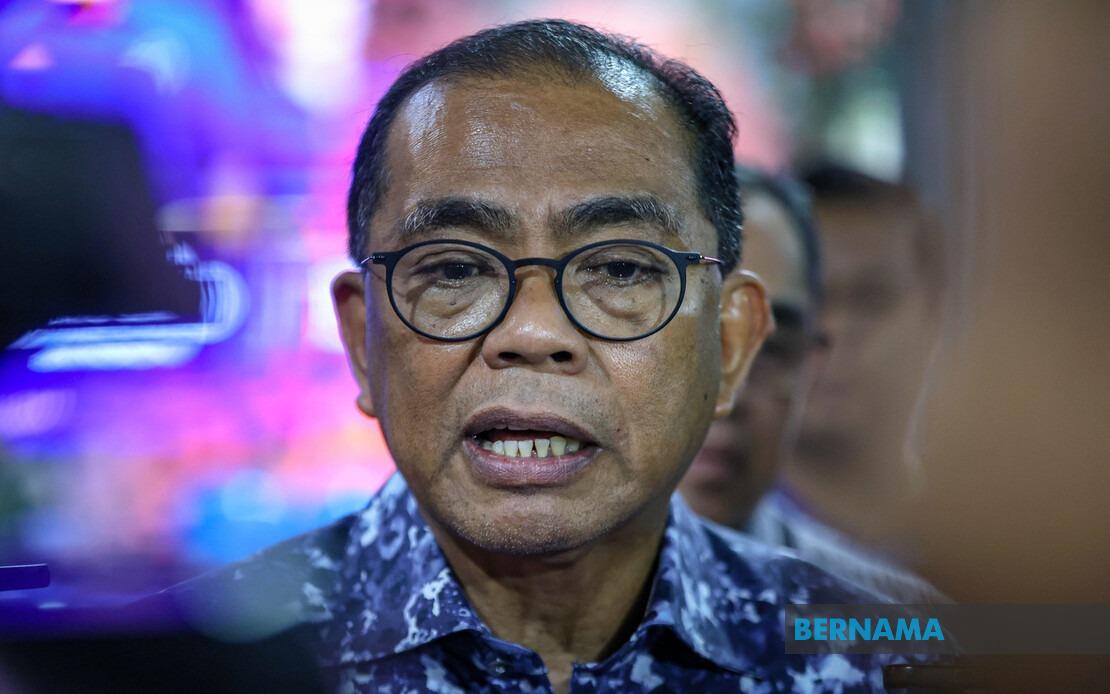
The Ministry of Defence is embarking on a significant overhaul of how the Malaysian Armed Forces manages its personnel, recognising that traditional career frameworks are increasingly misaligned with modern military requirements and the rapid pace of defence modernisation. Defence Minister Datuk Seri Mohamed Khaled Nordin outlined the comprehensive reform agenda during remarks in Pasir Gudang, signalling that improvements to organisational structure, career pathways, and compensation packages have been formally submitted for government and Public Service Department review. The timing reflects broader acknowledgement within government that retaining skilled military professionals requires systemic changes beyond incremental adjustments.
A core challenge identified by MINDEF centres on structural inefficiencies that prevent capable officers from advancing despite meeting competency and performance standards. Under the current system, many qualified personnel face promotional ceilings because available vacancies in senior ranks remain limited, creating a bottleneck that frustrates ambitious officers and potentially contributes to attrition. Mohamed Khaled emphasised that alignment between rank designations, grade classifications, and actual responsibility levels must improve to reflect the strategic importance of individual roles within the armed forces. This structural mismatch undermines institutional morale and fails to optimise the deployment of experienced talent where it provides maximum operational benefit.
The proposals MINDEF has advanced represent the culmination of work initiated through the Defence White Paper launched in 2022, which established modernisation as a central strategic objective. That framework acknowledged that force development extends beyond acquiring new equipment and technologies to encompassing how the military organisation itself functions internally. The talent management initiatives now being pursued directly support that vision by ensuring personnel systems evolve in tandem with defence capabilities upgrades. Without corresponding human resource reforms, investment in modern platforms and systems risks underutilisation by a workforce demotivated by career stagnation.
Compensation reform constitutes another critical pillar of the modernisation agenda. MINDEF has highlighted that military personnel undertake unique professional obligations, including lengthy specialised training courses that typically span nine months to two years. The Public Service Remuneration System, while applicable broadly across government, does not adequately account for these distinctive demands. Proposals submitted to the Public Service Department in March of the previous year specifically recommend introducing special allowances that recognise the sacrifice and investment required of military professionals. Such adjustments would position military compensation more competitively against civilian sector alternatives, addressing brain drain concerns within specialist officer categories.
Promotion reform represents perhaps the most visible component of the broader restructuring effort. Prime Minister Datuk Seri Anwar Ibrahim recently signalled in-principle government agreement to streamline and expedite promotion mechanisms for both military and Royal Malaysia Police personnel, bringing their advancement procedures into closer alignment with other public service schemes. This move acknowledges that military and law enforcement personnel operate under distinct pressures and should not be unnecessarily constrained by bureaucratic processes designed for civilian agencies. However, MINDEF has been careful to emphasise that accelerated promotion pathways will remain rooted in meritocratic principles rather than becoming automatic entitlements. Advancement will continue to reflect performance evaluation, demonstrated competency, personal integrity, and organisational requirements assessed through established assessment frameworks.
The integration of these three reform dimensions—structure, compensation, and promotion—reflects sophisticated understanding that personnel management operates as an interconnected system. Structural improvements without corresponding pay adjustments may prove insufficient to retain talent. Promotion acceleration lacking organisational restructuring could create hierarchical imbalances. Compensation enhancements unsupported by genuine career pathway improvements may fail to address the root frustrations driving experienced officers toward civilian employment. By addressing all three elements comprehensively, MINDEF aims to create a self-reinforcing system where structural rationality, competitive compensation, and transparent advancement mechanisms work synergistically to maintain military strength.
The timing of these announcements reflects government prioritisation of security sector welfare. Budget 2027 allocations to MINDEF are being increased specifically to strengthen operational capabilities while simultaneously safeguarding personnel welfare. This dual focus signals recognition that military effectiveness depends on both material capacity and human motivation. Further details regarding the new promotion mechanism are scheduled for announcement during Ambang Merdeka celebrations at Stadium Merdeka in Kuala Lumpur on August 30, indicating these reforms carry sufficient political importance to warrant public announcement during major national commemorations.
For Malaysia's defence posture, these reforms carry strategic implications beyond immediate personnel management. A modernised military organisation with rational structure, competitive compensation, and transparent career progression creates conditions conducive to attracting and retaining the sophisticated technical expertise increasingly essential in contemporary military operations. Cyber warfare, unmanned systems, intelligence analysis, and advanced weapons platform operation all demand personnel of exceptional calibre. Countries competing for such talent must offer professional environments comparable to alternatives in civilian technology sectors or allied military forces. Malaysia's proposed reforms position the armed forces more competitively in this global competition for skilled professionals.
Regionally, the Malaysian reforms reflect trends visible across Southeast Asian defence establishments as militaries grapple with modernisation pressures. Neighbouring countries have similarly confronted gaps between traditional personnel systems and requirements of contemporary defence. The Malaysian approach, emphasising meritocracy while streamlining advancement and improving compensation, represents pragmatic middle ground between wholesale wholesale importation of foreign models and maintenance of outdated systems. Whether MINDEF successfully implements these reforms comprehensively and maintains commitment through inevitable political fluctuations will influence not only Malaysian defence effectiveness but potentially demonstrate a replicable model for other regional military establishments.
The public commitment by Defence Minister Mohamed Khaled Nordin to these reforms, coupled with Prime Minister Anwar Ibrahim's signalling of government support, suggests political consensus sufficient to advance the agenda. However, substantial implementation challenges remain. Public Service Department coordination will prove critical, as JPA guidelines must be modified to accommodate military-specific provisions. Budget sequencing must align with structural changes to avoid inconsistencies. Most importantly, sustained political support across multiple budget cycles will be necessary, as comprehensive organisational reform requires years of consistent implementation rather than episodic initiatives.
Malaysian defence analysts view these structural and compensation reforms as essential preconditions for the armed forces to effectively absorb and operate modern equipment entering service in coming years. Purchasing advanced platforms without corresponding internal modernisation creates institutional misalignment where technological capability outpaces organisational readiness. By prioritising talent management, career progression, and remuneration alongside defence asset acquisition, Malaysia's Defence Ministry demonstrates sophisticated understanding that military effectiveness emerges from integrated attention to equipment, organisation, and personnel. The announcement of detailed implementation mechanisms during the August 30 Ambang Merdeka celebration will clarify whether these intentions translate into concrete policy and resource allocation.

