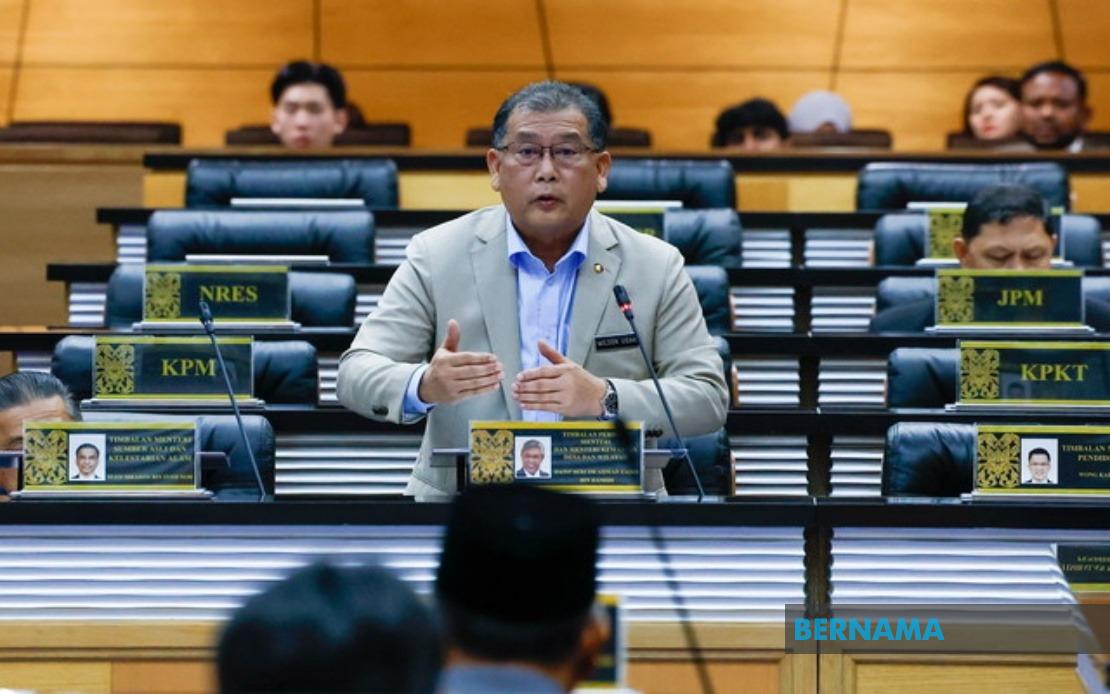
Malaysia's disaster management infrastructure is undergoing a significant transformation with the deployment of 15 permanent disaster relief centres (PPKB) scheduled to commence operations in stages throughout 2024. The ambitious initiative spans nine states and represents a fundamental shift in how the nation approaches emergency preparedness and response, moving beyond the traditional reliance on educational facilities as temporary shelters during flood events. Deputy Digital Minister Datuk Wilson Ugak Kumbong outlined the phased implementation during a Dewan Rakyat sitting this week, revealing that two centres in Johor and Pahang are already operational, while construction continues on nine additional facilities. The remaining four projects remain in early-stage planning and procurement phases, indicating a staggered approach designed to ensure quality execution and sustainable funding allocation across the country.
The concept of permanent disaster relief centres carries particular significance for a nation frequently battered by seasonal monsoons and unexpected flooding. By establishing dedicated facilities specifically engineered for emergency response rather than repurposing school buildings, Malaysia addresses a longstanding tension between disaster management obligations and the educational rights of students. During major flood events, schools across affected states routinely transform into ad-hoc relief shelters, forcing the postponement or cancellation of classes and disrupting academic calendars. The new centre model, formally introduced in 2023, sidesteps this problem entirely while simultaneously maximizing the utility of public infrastructure investments through dual-purpose design that serves community functions during normal periods.
The architectural and operational specifications of each PPKB reflect careful consideration of disaster relief logistics developed through years of emergency response experience. These facilities accommodate up to 500 displaced persons within open hall configurations, alongside dedicated dining and cooking infrastructure to manage mass feeding operations. Beyond basic shelter and sustenance, each centre incorporates medical treatment rooms, accessible facilities for persons with disabilities, prayer spaces (surau), and thoughtfully designed areas meant to mitigate psychological distress among vulnerable populations including children, elderly residents, and trauma-affected individuals. This comprehensive approach acknowledges that effective disaster relief extends far beyond providing a roof; it requires attention to dignity, health, spiritual needs, and emotional wellbeing during periods of acute stress and displacement.
The geographical prioritization strategy emphasizes localities with documented histories of severe flooding, a rational approach that concentrates resources where demonstrated need is greatest. However, the centre selection process incorporates important governance safeguards through mandatory review by State Disaster Management Committees (JPBN) before proposals advance to the National Disaster Management Agency (NADMA) for final evaluation and approval. This multi-tiered validation mechanism ensures that decisions reflect local expertise and conditions while maintaining national consistency and preventing projects that fail to meet established standards. For states like Perak, which face chronic flooding challenges, NADMA is actively pursuing additional development allocations to expand the programme beyond the initial 15 facilities.
The financial commitment to disaster preparedness extends beyond permanent infrastructure to encompass immediate improvements to existing temporary relief centres. In April, NADMA approved RM4.44 million specifically designated for upgrading facilities at 25 selected school-based relief shelter locations under Ministry of Education (MOE) administration. This complementary funding acknowledges that the transition to permanent centres will require years to complete, necessitating enhancement of interim arrangements to maintain acceptable standards throughout the implementation period. Furthermore, NADMA provides maintenance and minor repair funding assistance up to RM50,000 annually for temporary relief centres that are activated following the Northeast Monsoon (MTL) season, ensuring these facilities remain in serviceable condition as backup capacity should permanent centres reach maximum occupancy during major disasters.
The philosophical underpinning of Malaysia's revised disaster management approach recognizes that emergency response cannot be concentrated within any single government agency, regardless of its mandate or resources. Deputy Minister Wilson Ugak explicitly invoked the "whole-of-government and whole-of-society" framework, emphasizing that effective disaster management demands coordination among federal authorities, state governments, private sector entities, and community organizations. This distributed responsibility model reflects lessons learned from previous major flood events, where local knowledge, volunteer networks, and business sector capabilities often proved as crucial as official government resources. The framework essentially commits Malaysia to building disaster resilience as a shared national endeavour rather than a specialized bureaucratic function.
For Malaysian residents in flood-prone regions, the rollout of permanent disaster relief centres carries immediate practical implications. These facilities reduce the likelihood of schools closing during emergency periods, thereby protecting educational continuity for students in vulnerable areas. The enhanced amenities and specialized design also promise dignified, psychologically supportive environments during displacement—a marked improvement over classroom settings repurposed as temporary shelters. From a broader economic perspective, minimizing school closures preserves educational outcomes and reduces household disruption, with cascading benefits for productivity and family stability. Communities in Johor and Pahang already benefit from operational centres, while residents in states awaiting completion can reasonably expect their facilities to come online progressively throughout the year.
The programme also reflects Malaysia's evolving understanding of climate adaptation and environmental risk management. As climate patterns shift and extreme weather events become increasingly unpredictable, permanent infrastructure designed explicitly for emergency management provides greater resilience than improvised arrangements. The dual-use design philosophy ensures that public investment in disaster preparedness generates community benefits beyond emergency periods, improving cost-benefit ratios and demonstrating fiscal responsibility. During non-emergency periods, these centres can host community activities, social gatherings, and local events, strengthening neighbourhood cohesion while maintaining readiness for rapid deployment when disasters strike.
Regional context further illuminates Malaysia's approach. Neighbouring countries within Southeast Asia face similar seasonal flooding patterns and climate-related hazards, yet disaster management infrastructure varies considerably across the region. Malaysia's systematic investment in purpose-built permanent centres positions the country as a potential model for other developing economies grappling with similar challenges. The integration of accessibility features for persons with disabilities, psychological support spaces, and culturally sensitive facilities represents best-practice considerations increasingly recognized as essential to comprehensive disaster management. As Malaysia implements this expanded network, the accumulated experience and lessons learned may inform disaster preparedness initiatives throughout Southeast Asia.
The magnitude of the PPKB programme—involving nine states and 15 facilities with eventual national expansion potential—signals political commitment to placing disaster resilience among government priorities. Rather than treating emergency response as an afterthought or perpetually reactive scramble, Malaysia is investing proactively in infrastructure and systems designed to manage crises with greater efficacy and humanity. The phased implementation acknowledges budgetary constraints while maintaining momentum, with NADMA actively pursuing additional allocations for the next phase. For Malaysians living with annual flood risks, this represents tangible progress toward a disaster management system proportionate to the scale and frequency of natural hazards affecting the nation.

