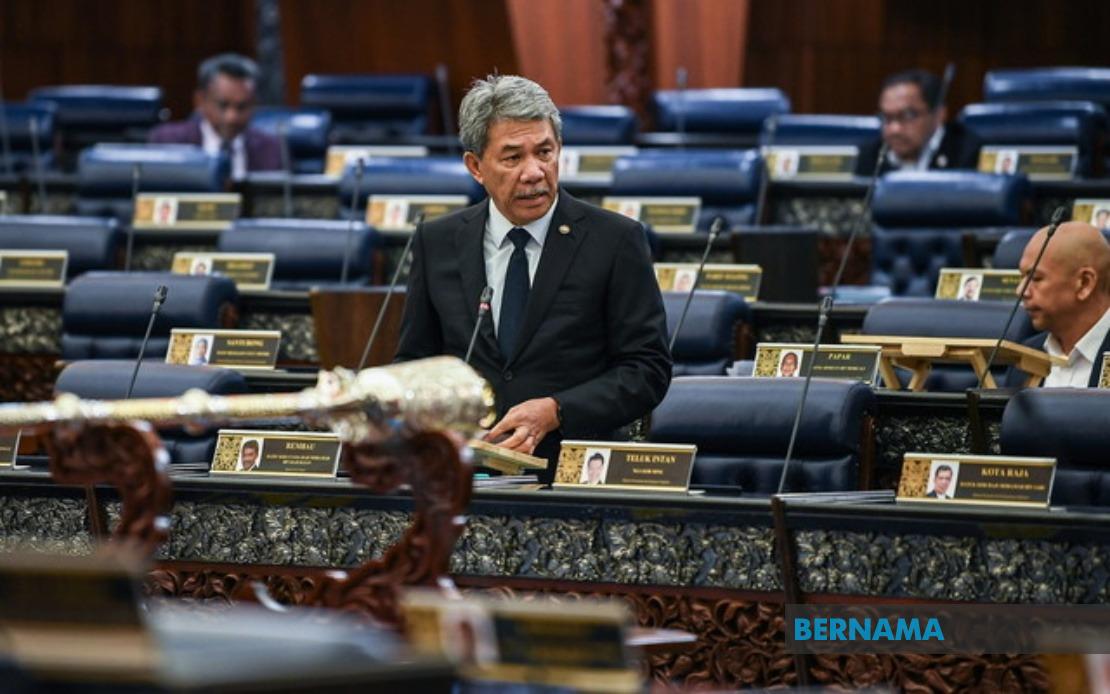
Malaysia is positioning itself as a constructive voice in regional diplomacy, committing to harness its membership across multiple international forums to advance a comprehensive settlement to the escalating conflict in West Asia. Foreign Minister Datuk Seri Mohamad Hasan outlined this multifaceted approach during parliamentary question time, emphasising the country's readiness to engage with the United Nations, UN Security Council, the Organisation of Islamic Cooperation, BRICS and the Non-Aligned Movement as vehicles for achieving stability in an increasingly volatile region.
The timing of Malaysia's diplomatic initiative reflects growing regional concern about the humanitarian catastrophe and geopolitical destabilisation unfolding across the Middle East. Mohamad's comments came in response to discussions about Malaysia's support for a freshly signed memorandum of understanding between the United States and Iran, representing a rare diplomatic breakthrough in relations between the two historically antagonistic powers. Malaysia positioned itself among the first nations to endorse this agreement, signalling its commitment to de-escalation even as conflict dynamics remain unpredictable across Gaza, the West Bank, Lebanon and other flashpoints.
Central to Malaysia's engagement is recognition of the accord's scope and potential implications. The bilateral agreement establishes a 60-day negotiating window during which both Washington and Tehran must work toward formalising the understanding's substantive provisions. Among the 14 components are provisions addressing Iran's reconstruction needs, estimated at USD300 billion in infrastructure repair, alongside commitments regarding the reopening of the strategic Strait of Hormuz and withdrawal of Israeli military presence from Lebanese territory. These elements carry profound significance for regional commerce and stability, given the waterway's critical role in global energy supplies and maritime trade.
The closure of the Strait of Hormuz has already precipitated supply disruptions with ripple effects across global markets, directly impacting economies like Malaysia that depend on reliable energy flows and shipping routes. This economic dimension adds urgency to Malaysia's diplomatic efforts beyond traditional humanitarian concerns. By actively monitoring subsequent negotiations and maintaining channels with key actors, Malaysia seeks to help safeguard the delicate diplomatic process from derailment while protecting its own economic interests.
Mohamad's strategy extends beyond formal multilateral mechanisms to encompassing bilateral engagement with principal regional actors. He disclosed that he personally reached out to counterparts from Pakistan—which hosted the initial US-Iran talks—as well as officials from the United Arab Emirates and Saudi Arabia, conveying Malaysia's moral support and commitment to backing initiatives aimed at terminating hostilities. These personalised diplomatic contacts complement formal institutional approaches and reflect an understanding that behind-the-scenes relationship-building remains essential to sustaining momentum for peaceful resolution.
Yet the Foreign Minister's assessment also acknowledged formidable obstacles to achieving durable peace. He identified the Israeli government's resistance to ongoing peace efforts as a persistent impediment, noting that the regime continues actions that threaten regional stability and undermine diplomatic initiatives. This candid characterisation reflects the position held by Malaysia's government and many non-aligned nations that view the Israeli military campaign across multiple territories as fundamentally obstructing any genuine pathway toward settlement.
A particularly revealing dimension of Mohamad's remarks concerns the structural challenges embedded within international conflict resolution mechanisms themselves. He pointed to the United States' repeated use of its veto authority within the UN Security Council, citing 31 instances where Washington has blocked resolutions intended to constrain Israeli military operations. This institutional reality exposes a fundamental asymmetry in the Security Council's functioning, where permanent members can insulate allies from international legal accountability regardless of the breadth of global opposition to their conduct. For Malaysia and other developing nations seeking to activate UN authority toward conflict resolution, this structural limitation represents a frustrating constraint on otherwise promising diplomatic channels.
Malaysia's involvement through the Non-Aligned Movement and BRICS forums reflects an attempt to circumvent traditional great-power dominance in conflict resolution. These platforms historically provide developing nations and countries outside Western-dominated structures with collective voice and negotiating leverage. By activating these constituencies simultaneously with formal UN mechanisms, Malaysia attempts to create multiple pressure points and diplomatic pathways, recognising that any single channel remains vulnerable to obstruction by permanent Security Council members.
The Organisation of Islamic Cooperation component of Malaysia's strategy carries particular significance given the organisation's collective representation of Muslim-majority populations whose publics exhibit deep emotional investment in Middle East outcomes. Mobilising OIC consensus around concrete diplomatic initiatives amplifies messaging and demonstrates solidarity across Islamic nations, though translating organisational endorsement into enforceable action remains perpetually challenging given members' divergent strategic interests and alignments.
Mohamad's reference to engagement with the President-elect of the UN General Assembly indicates Malaysia's intention to strengthen the General Assembly as a counterweight to Security Council constraints. While General Assembly resolutions lack binding force, overwhelming majorities can create diplomatic and moral pressure, isolate recalcitrant parties and establish international legal principles that shape long-term discourse and accountability frameworks. This institutional sequencing reflects sophisticated understanding of how international organisations can be leveraged when traditional mechanisms prove inadequate.
For Malaysia specifically, sustained involvement in West Asia conflict resolution serves multiple interests. Geopolitically, it reinforces Malaysia's identity as a principled non-aligned actor committed to international law and justice, credentials important for influence among developing nations and the Islamic world. Economically, regional stability directly affects Malaysian shipping, energy security and market access. Domestically, the government demonstrates responsiveness to public concern about Palestinian suffering and broader Islamic causes, maintaining legitimacy among constituencies for whom these issues carry profound moral weight.
The viability of Malaysia's diplomatic agenda depends substantially on whether the US-Iran memorandum can weather the inevitable pressures and spoiling attacks that accompany nascent peace processes. The 60-day negotiation window represents a critical juncture where commitment from external supporters like Malaysia may prove valuable in maintaining momentum and offering diplomatic support when bilateral negotiations encounter obstacles. Malaysia's willingness to assume this supporting role, albeit without direct conflict participation, underscores the potential contribution smaller powers can offer toward global conflict resolution when they leverage their institutional memberships and diplomatic credibility strategically.

