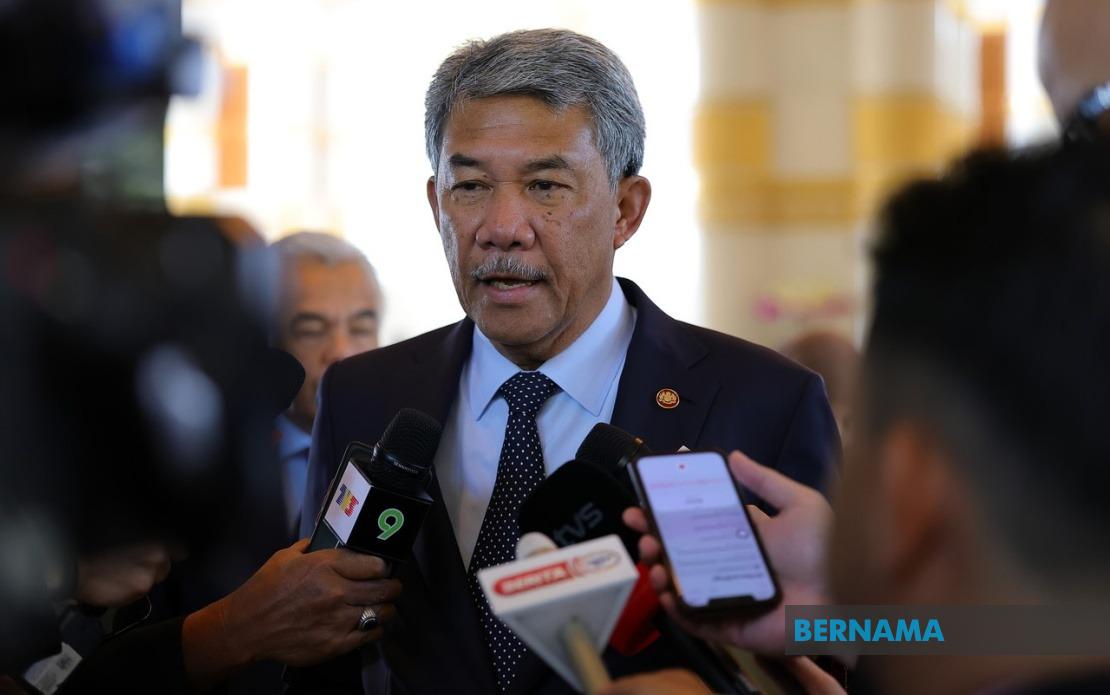
Malaysia is turning to ASEAN's multilateral framework to address the transboundary haze crisis sweeping across the region, with Foreign Minister Datuk Seri Mohamad Hasan confirming that the bloc represents the optimal diplomatic avenue for resolution. Speaking during an official visit to Brunei this week, Hasan underscored ASEAN's central role in mediating disputes and coordinating responses to shared environmental challenges that transcend national borders.
The government's strategy involves two parallel tracks of engagement. The Ministry of Natural Resources and Environmental Sustainability (NRES) will formally petition the ASEAN Secretariat through official correspondence, establishing a coordinated regional response mechanism. Simultaneously, NRES Minister Datuk Seri Arthur Joseph Kurup will initiate direct ministerial dialogue with his Indonesian counterpart, recognising Indonesia's significance as both a neighbouring state and the likely source of transboundary pollution affecting Malaysian territories. This dual approach reflects a sophisticated understanding of regional diplomacy, leveraging both multilateral institutions and bilateral channels to maximise pressure for action.
Hasan's remarks carry particular weight given Malaysia's historical experience with haze episodes. By positioning ASEAN rather than unilateral measures as the preferred mechanism, Malaysia signals confidence in institutional frameworks while avoiding confrontational rhetoric that could strain relations with fellow members. The minister explicitly stated that ASEAN's institutional capacity and neutral secretariat make it more effective than individual state actions, a position that acknowledges the reality that haze solutions require coordinated regional compliance rather than isolated national responses.
The haze issue has already featured prominently in high-level bilateral meetings between Malaysia and Brunei. Prime Minister Datuk Seri Anwar Ibrahim and Sultan Hassanal Bolkiah are scheduled to discuss the deteriorating air quality during their formal leaders' consultation on August 22, indicating that this environmental crisis has risen to the apex of diplomatic priority. Malaysian High Commissioner to Brunei Datuk Mohd Aini Atan characterised the haze as a matter of mutual concern affecting both nations, reflecting the shared vulnerability of smaller Southeast Asian states to transboundary pollution.
The severity of the situation is underscored by current air quality readings across Sarawak. The Serian District Police Headquarters recorded an Air Pollutant Index of 217 as of mid-afternoon on August 21, placing the area in the "very unhealthy" category and raising immediate public health concerns. Nine additional locations across the state registered "unhealthy" classifications, with Sri Aman reaching 186, Sarikei 173, and Kuching 171. These figures demonstrate that the haze is not a localised phenomenon but rather a widespread environmental emergency affecting multiple population centres simultaneously.
The geographic distribution of hazardous readings reveals the transboundary nature of the problem. Sarawak's position bordering Kalimantan exposes it to atmospheric flows originating from Indonesian territory, a pattern documented extensively during previous haze seasons. Areas closer to the border, such as Serian, experience the most severe pollution levels, while locations further inland show somewhat improved though still problematic conditions. This spatial pattern provides epidemiological evidence supporting Malaysia's diplomatic approach, as unilateral domestic measures cannot address pollution sources located entirely beyond national jurisdiction.
ASEAN's institutional mechanisms offer several advantages for addressing this crisis. The bloc has previously brokered haze agreements, including the Regional Haze Action Plan and bilateral arrangements between affected states. The ASEAN Secretariat, comprising permanent representatives from all ten member nations, can facilitate sustained engagement beyond temporary diplomatic initiatives. Furthermore, ASEAN's consensus-based decision-making process, while sometimes cumbersome, ensures that any agreed measures enjoy broader legitimacy and commitment from participating states.
Indonesia's role remains pivotal yet complex. As the largest Southeast Asian economy and the nation containing the vast peatlands and tropical forests most susceptible to burning, Indonesia's domestic policies directly determine regional air quality. However, Indonesia also faces transboundary haze impacts within its own territory, particularly affecting eastern regions. This shared vulnerability creates diplomatic space for cooperative solutions rather than blame-assignment, a nuance that Malaysia's ASEAN-centric approach implicitly recognises.
The timing of Malaysia's diplomatic initiative reflects seasonal patterns in Southeast Asian agriculture and climate. August marks the beginning of the dry season across the region, when land-clearing practices and agricultural burning intensify, typically leading to deteriorating air quality through September and October. By initiating formal ASEAN engagement now, Malaysia positions itself to shape the regional response before the crisis deepens, potentially influencing policy decisions in Indonesia that could mitigate future haze episodes.
For Malaysian readers and policymakers, this approach demonstrates a pragmatic commitment to multilateralism in addressing transnational environmental challenges. Rather than escalating tensions through bilateral confrontation, the government has chosen to embed its concerns within established regional institutions. This strategy reflects broader positioning of Malaysia within ASEAN, emphasising the bloc's utility for smaller and medium-sized economies that lack the coercive power to impose unilateral solutions.
The ministry's planned correspondence also signals to domestic stakeholders—including affected communities in Sarawak and Peninsular Malaysia—that the government is pursuing formal channels rather than ad hoc crisis management. Documentation of the haze emergency through official ASEAN submissions creates institutional memory and accountability mechanisms that transcend individual political administrations. This archival function matters significantly for establishing precedents that future regional responses can reference.
As the haze season develops over the coming weeks, the effectiveness of Malaysia's ASEAN strategy will become evident. Should the diplomatic initiative produce concrete commitments from Indonesia regarding land management and burning restrictions, Malaysia's multilateral approach will vindicate institutional engagement. Conversely, if regional mechanisms prove insufficient to generate meaningful policy changes, pressure may build for more confrontational bilateral approaches. For now, the government has chosen cooperation over confrontation, betting that ASEAN's frameworks can deliver environmental protection alongside diplomatic harmony.

