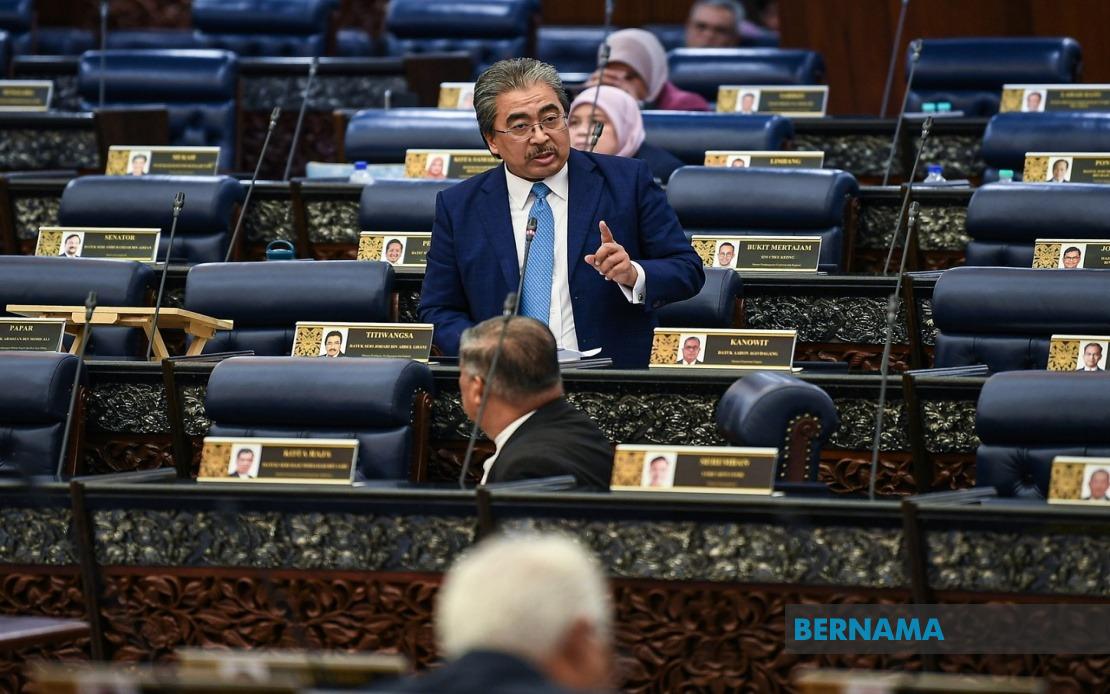
Malaysia is moving to establish a formal mechanism for blocking imports of goods manufactured through forced labour, a regulatory step aimed at meeting international trade standards and forestalling potential penalties from major trading partners. Investment, Trade and Industry Minister Datuk Seri Johari Abdul Ghani confirmed the initiative during parliamentary proceedings, explaining that the government recognises both the moral imperative and commercial necessity of preventing such goods from entering the Malaysian market.
The cornerstone of this effort is a newly created Inter-Agency Task Force on Forced Labour, anchored within the Ministry of Investment, Trade and Industry. This collaborative body brings together a broad spectrum of government agencies tasked with studying market conditions, examining enforcement gaps, and designing a comprehensive legal and administrative framework. The composition of the task force reflects the complexity of the challenge, spanning trade policy, law enforcement, customs, immigration, labour standards, and international relations.
Beyond the lead ministry, the task force incorporates representatives from the Ministry of Finance, Ministry of Foreign Affairs, Ministry of Home Affairs, Ministry of Human Resources, and Ministry of Transport. The effort also encompasses enforcement agencies including the Attorney-General's Chambers, Royal Malaysian Customs Department, Malaysian Border Control and Protection Agency, and Royal Malaysian Police. Additional participants include the Malaysian Investment Development Authority and Malaysian External Trade Development Corporation, ensuring that both inbound and outbound trade perspectives inform the mechanism's design.
Currently, Malaysia operates without dedicated legislation prohibiting the importation of forced-labour goods, creating a regulatory gap that has attracted international scrutiny. This absence leaves Malaysian importers without clear guardrails and exposes the nation to criticism from trading partners with stricter standards. The task force's mandate is to close this gap by establishing both legal prohibitions and practical enforcement procedures that align with international norms and protect Malaysia's reputation in global commerce.
The impetus for action has intensified due to US trade pressure. In June 2026, the United States announced preliminary findings from an investigation into 60 countries regarding their enforcement of forced labour restrictions on imports. Malaysia was identified among 54 nations lacking specific legal prohibitions on forced-labour goods, while six others possessed laws but failed to enforce them adequately. This classification has direct commercial consequences for Malaysian exporters and the domestic economy more broadly.
More pressing still is an indicative US tariff threat. Under Section 301 investigation procedures, the United States has signalled its intention to impose a 10 per cent indicative tariff on Malaysian goods after July 24 if the forced labour issue remains unresolved. This timeline creates urgent pressure for Malaysia to demonstrate legislative and administrative progress before the deadline arrives. The tariff would impose significant costs on Malaysian manufacturers and exporters, rippling through supply chains and affecting competitiveness in American and third-country markets.
Minister Johari indicated that the US investigation into forced labour is nearing completion, distinguishing it from a parallel market access investigation still in progress. The advanced state of the forced labour probe means that Malaysia's response window is narrowing considerably. Any delays in implementing the mechanism risk triggering the threatened tariffs, which would harm Malaysian industries ranging from electronics and textiles to palm oil and rubber products.
The mechanism being developed must balance multiple objectives. It needs to satisfy US regulatory expectations and demonstrate genuine enforcement capacity, thereby reducing the likelihood of tariffs. Simultaneously, it must be practically implementable by Malaysian customs, labour inspectors, and trade officials without creating prohibitive administrative burdens on legitimate commerce. The task force's multi-agency composition suggests that officials are cognisant of these competing demands and are seeking to design a system that is both credible internationally and workable domestically.
For Malaysian businesses, particularly exporters relying on US market access, the development of this mechanism carries both risks and opportunities. Companies already maintaining rigorous supply chain standards face no adverse consequences and may gain competitive advantage if enforcement disadvantages less scrupulous competitors. However, businesses operating at the margins of compliance or lacking supply chain transparency may face increased scrutiny and potential disruption. The mechanism's implementation timeline will be crucial for allowing businesses to adjust procurement practices and documentation systems.
The mechanism also reflects broader geopolitical and economic realities. As developed economies tighten restrictions on goods produced under exploitative conditions, middle-income countries like Malaysia must adapt their regulatory frameworks or face trade penalties. The issue extends beyond bilateral Malaysia-US relations; similar pressure is building from European markets, which have implemented comparable restrictions. By moving proactively, Malaysia positions itself ahead of potential future requirements from other major trading blocs.
Implementation of the mechanism will require coordination between customs authorities, labour inspectors, and trade investigators to identify and verify forced labour allegations across complex global supply chains. This represents a substantial operational undertaking, as determining the true origin and production conditions of goods passing through Malaysian ports demands resources, expertise, and international cooperation. The task force's involvement of the Attorney-General's Chambers suggests that legal frameworks for enforcement and potential penalties for violations are also under consideration.
Beyond immediate trade negotiations with the United States, Malaysia's development of forced labour import restrictions carries implications for regional trade relations and ASEAN cohesion. As individual members strengthen labour and human rights standards, questions arise about harmonisation within the region and whether ASEAN members might collectively adopt similar mechanisms. Such developments could reshape competitive dynamics within Southeast Asia's manufacturing and export sectors.
The government's initiative signals recognition that regulatory compliance with developed-country standards is increasingly non-negotiable for middle-income exporters. Malaysia's response to this challenge will inform how effectively the nation navigates the intersection of international trade law, labour rights, and economic self-interest in coming years.

