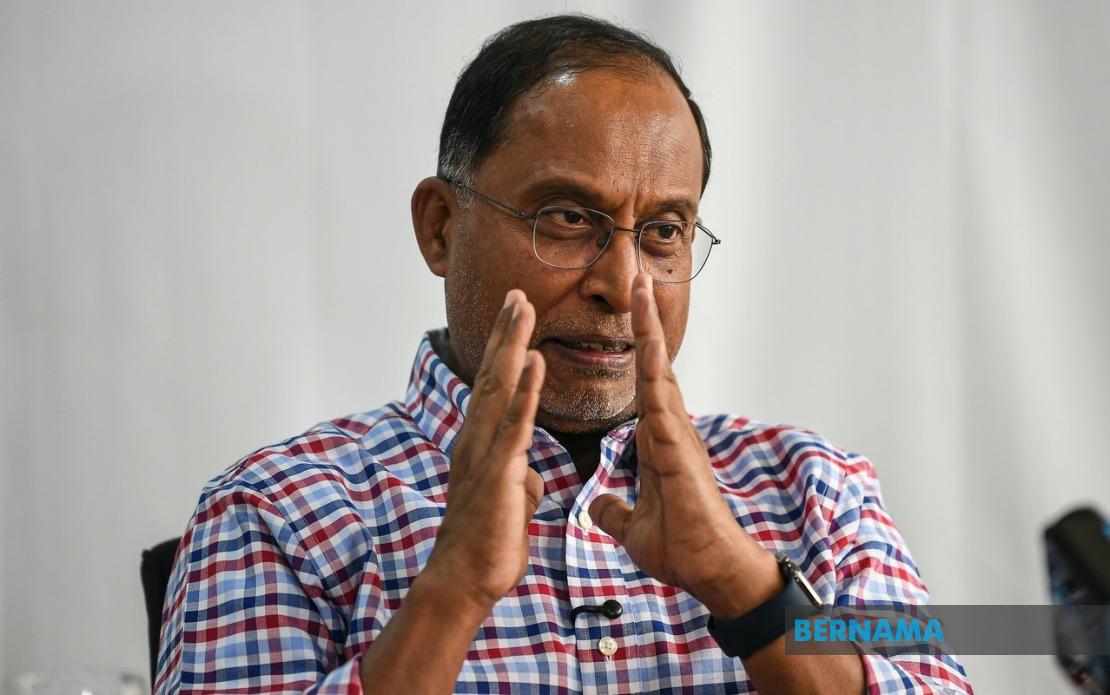
The Ministry of Higher Education has announced plans to construct Jelai Community College in Lipis, marking a significant expansion of technical and vocational education access across rural Pahang. The institution, which will serve Mukim Batu Yon and surrounding communities, represents the state's 11th community college and underscores the government's commitment to decentralising quality skills training beyond urban centres. The groundbreaking ceremony held at Dataran Santuari Eco Gahai brought together Higher Education Minister Datuk Seri Dr Zambry Abd Kadir and Pahang Menteri Besar Datuk Seri Wan Rosdy Wan Ismail, signalling strong political backing for the initiative.
The RM55 million facility will accommodate approximately 240 students and specialise in programmes centred on agrotechnology and sustainable agricultural technology. This curriculum alignment reflects a deliberate strategy to match educational offerings with regional economic strengths, positioning the college as more than a generic vocational institution but rather a targeted response to Jelai's agricultural heritage and growing agri-food sector potential. By anchoring technical training to local industry needs, the college aims to create a direct pipeline between education and employment opportunities, reducing the geographic and economic barriers rural students typically face when pursuing vocational qualifications.
The Department of Polytechnic and Community College Education has received directive to begin comprehensive planning for the project, with implementation expected to commence within approximately one to one-and-a-half years from the groundbreaking date. This timeline reflects a relatively accelerated development schedule for educational infrastructure, suggesting a degree of bureaucratic streamlining or pre-existing preparatory work. The ministry's confidence in this projection indicates that site acquisition and preliminary assessments have likely already proceeded, allowing the organisation to move swiftly from ceremonial announcement to actual construction phases.
For Malaysian policymakers and education observers, this development carries broader implications for the nation's TVET modernisation strategy. Community colleges occupy a crucial middle ground between secondary vocational centres and polytechnics, traditionally serving students seeking intermediate-level qualifications and practical skills without pursuing full degree-level study. The emphasis on rural placement addresses a longstanding challenge in Malaysian education equity, where vocational institutions have historically concentrated in urban and semi-urban areas, inadvertently creating opportunity gaps for students in agricultural zones and smaller towns.
The establishment reflects a recognition that Malaysia's commitment to strengthening its TVET ecosystem requires geographical distribution alongside quality standards. Unlike generic development rhetoric, the ministry's statement specifically emphasises ensuring access regardless of geographical location, acknowledging that vocational pathways have sometimes been treated as secondary routes available primarily to those without alternative options. A purposefully sited community college in an agricultural region, conversely, signals that skills training aligns with legitimate economic sectors offering genuine career progression and contribution to national development.
Pahang's state government had actively pursued this project for an extended period, and the approval represents validation of sustained advocacy efforts at the sub-national level. Menteri Besar Wan Rosdy's public appreciation to MOHE underscores that such infrastructure developments often require patient partnership between state administrations and federal agencies, with states identifying needs while federal ministries allocate resources and policy direction. This collaborative model, when functioning effectively, can yield outcomes responsive to local circumstances while maintaining national quality standards and coherent TVET framework integration.
The agricultural technology focus carries particular relevance given ongoing discussions around Malaysian farming modernisation and youth retention in rural economies. Young Malaysians have historically migrated toward urban employment centres, and agricultural communities have faced labour shortages and demographic ageing. By offering certified technical qualifications in modern farming methods, precision agriculture, and food processing technologies within accessible proximity to agricultural regions, the college addresses both skills gaps and potential rural employment pathways. Students completing agrotechnology programmes could remain within or near their communities while pursuing careers that leverage contemporary agricultural science rather than traditional farming techniques.
The curriculum design also positions the college within Malaysia's broader sustainability agenda. Emphasis on sustainable agricultural technology aligns with national commitments to environmental stewardship and climate-responsive farming, ensuring that skills transferred to students incorporate responsible resource management rather than conventional approaches that might prove economically or environmentally unsustainable long-term. This forward-looking orientation in curriculum development distinguishes the initiative from merely replicating conventional vocational offerings.
The presence of Deputy Speaker of the Dewan Rakyat and Cameron Highlands Member of Parliament Datuk Dr Ramli Mohd Nor at the ceremony underscores parliamentary awareness of the project's regional significance. Cameron Highlands itself represents another Malaysian agricultural heartland facing modernisation pressures and youth retention challenges, suggesting that such TVET initiatives have cross-party recognition as addressing genuine sectoral needs across multiple constituencies.
Sustaining momentum from groundbreaking ceremony through operational launch will require coordinated management of construction schedules, recruitment of specialist instructors trained in modern agrotechnology, and completion of pedagogical framework development. The 12-18 month timeline, while ambitious, becomes feasible if planning processes have advanced sufficiently prior to public announcement. However, educational infrastructure projects frequently encounter complications including regulatory delays, supply chain disruptions, or scope adjustments, making adherence to such schedules challenging without active oversight and contingency management.
For prospective students across Pahang and neighbouring states, the college's establishment removes a practical barrier to TVET participation. Rural distance to existing community colleges has occasionally discouraged capable students from pursuing vocational pathways, and the Jelai location will serve populations within approximately 50-100 kilometres of Lipis town. This improved accessibility, combined with curriculum alignment to regional employment opportunities, potentially shifts the vocational education decision calculus for rural secondary school completers and career-changers seeking practical qualifications.
The initiative demonstrates incremental progress in Malaysia's broader human capital development strategy, where TVET expansion receives sustained policy attention alongside university education. As the nation navigates economic restructuring and technological change affecting traditional employment sectors, vocational education institutions positioned to deliver relevant, regionally-grounded technical skills become increasingly consequential for inclusive growth and social mobility, particularly in communities where university access remains economically constrained.

