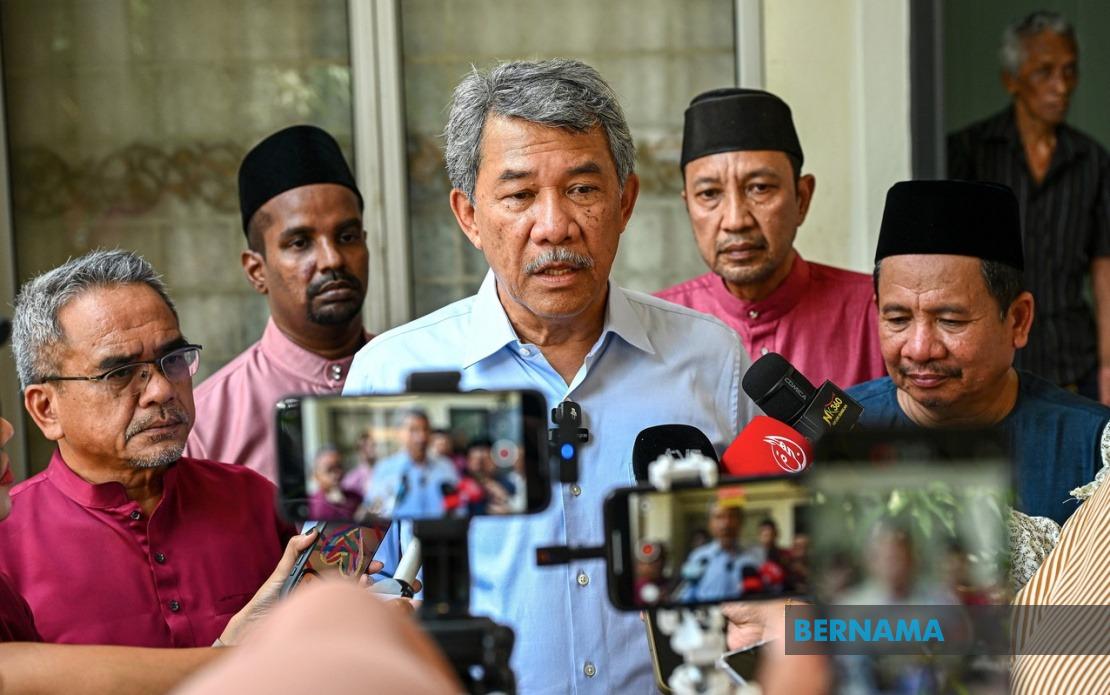
Malaysia is taking a cautious approach to repatriating Myanmar refugees, with the government insisting it will not rush the process despite international pressure and reports that Myanmar is prepared to receive thousands of its nationals by ship. Foreign Minister Datuk Seri Mohamad Hasan made clear that the welfare and security of those returning home remains the paramount concern, and that Malaysia will work methodically through verification and assessment procedures before any transfers occur.
Coordination between international bodies and Malaysia's domestic agencies will be essential to managing the repatriation process responsibly. Mohamad Hasan highlighted the importance of collaboration between the United Nations High Commissioner for Refugees and Malaysia's Home Ministry, explaining that such partnerships are needed to properly establish the legal status of individual refugees and to evaluate the conditions awaiting them when they cross back into Myanmar. This verification step is not merely bureaucratic—it serves as a crucial safeguard to prevent vulnerable people from being returned to situations of active conflict, persecution, or humanitarian crisis.
The Foreign Ministry has already begun diplomatic groundwork to facilitate orderly returns. Mohamad Hasan indicated that Malaysia's Foreign Affairs Secretary-General has been instructed to engage Myanmar's diplomatic representatives in Kuala Lumpur to coordinate the gradual repatriation process. This approach differs markedly from the urgent timelines that have circulated in recent reports, signalling that Malaysia intends to set its own pace rather than be driven by external expectations. The distinction is meaningful: the difference between managing a humanitarian operation and simply clearing a humanitarian problem from the country.
Contrary to reports suggesting Myanmar stands ready to receive 5,000 nationals via maritime transport, Malaysia's stance is to proceed incrementally with groups whose credentials have been properly established. The Foreign Minister stated that there is no need to accumulate refugees until a round number is reached before initiating transfers. Instead, he said, the approximately 1,000 individuals already cleared for repatriation can be sent back without delay, allowing the process to begin immediately while proper vetting continues for the remainder. This pragmatic sequencing balances humanitarian concern with administrative efficiency.
The complexity of Myanmar's internal situation adds urgency to Malaysia's cautious approach. The Southeast Asian nation has been convulsed by political upheaval and military action since the 2021 coup, with significant portions of the country experiencing active armed conflict and humanitarian emergencies. Returning refugees to such an environment without careful assessment of security conditions in their specific regions of origin would be irresponsible. The UNHCR's involvement is particularly important in this regard, as the organisation maintains field presence and monitoring capabilities that can provide real-time information about conditions on the ground.
Regionally, Myanmar's refugee crisis has become a collective concern for ASEAN, and the bloc's unified response is constrained by its foundational commitment to non-interference. Mohamad Hasan noted that all ASEAN member states recognise the seriousness of the refugee issue and that it requires coordinated action across the region. However, this collective approach must operate within the framework of ASEAN's Five-Point Consensus on Myanmar, a diplomatic mechanism agreed to by member states as the bloc's official position on addressing the crisis. This consensus emphasises dialogue, humanitarian assistance, and non-violence, rather than unilateral action by individual countries.
The Five-Point Consensus remains the cornerstone of ASEAN's Myanmar policy, though some critics argue the mechanism has produced limited tangible results in addressing the ongoing instability. Maintaining this consensus as the core of the bloc's approach reflects the diplomatic balance ASEAN member states must strike between supporting humanitarian action and respecting their commitment to multilateral decision-making. Malaysia's approach to refugee repatriation therefore carries significance beyond its bilateral relationship with Myanmar—it demonstrates how ASEAN's largest economies intend to manage one of the region's most pressing humanitarian challenges within the constraints of regional diplomatic norms.
Malaysia has long served as a major host country for displaced persons from Myanmar, with hundreds of thousands of refugees and undocumented migrants present in the country. The government has faced increasing pressure to reduce this burden, particularly as public services and employment competition have prompted calls for stricter immigration controls. Yet the Ministry of Foreign Affairs appears committed to ensuring that national security concerns do not override humanitarian principles. The gradual, verified approach represents an attempt to balance these competing pressures while maintaining Malaysia's international standing on refugee protection.
The practical implications of Malaysia's position are significant for the broader region. How Malaysia manages Myanmar refugee repatriation may establish precedents for other Southeast Asian states hosting displaced populations. Thailand, which also hosts large numbers of Myanmar refugees, and Bangladesh, which accommodates Rohingya populations, may look to Malaysia's methodology as a model for responsible return operations. Conversely, if the process encounters difficulties or criticisms, it could influence how neighbouring countries approach similar situations.
For the Myanmar refugees themselves, Malaysia's deliberate pace offers both reassurance and uncertainty. Verification and assessment take time, and many refugees waiting for clearance will remain in limbo during the process. Yet the alternative—rapid, mass repatriation without proper vetting—would carry far greater risks of returning vulnerable people to dangerous circumstances. The government's public commitment to prioritising safety suggests that individual cases will receive scrutiny rather than being processed in bulk, though the actual implementation of this promise will become clear only as repatriations commence.
The diplomatic engagement with Myanmar's government also reflects Malaysia's desire to maintain constructive relations despite the political crisis. By working through official channels and emphasising coordination, Malaysia avoids the appearance of unilateral pressure while still pursuing its interests in reducing the refugee population. Myanmar's government, whatever its international isolation, remains a necessary partner in any repatriation effort, since refugees must ultimately be received and processed on the Myanmar side of the border.
Moving forward, the success of Malaysia's cautious repatriation approach will depend on sustained coordination between multiple stakeholders and the ability to maintain transparent, principled decision-making even when domestic political pressure mounts. Mohamad Hasan's public statements suggest the Foreign Ministry intends to establish clear criteria for repatriation, though the specific details of these criteria have not yet been disclosed. The coming months will reveal whether Malaysia can indeed balance humanitarian protection with practical management of its refugee situation.

