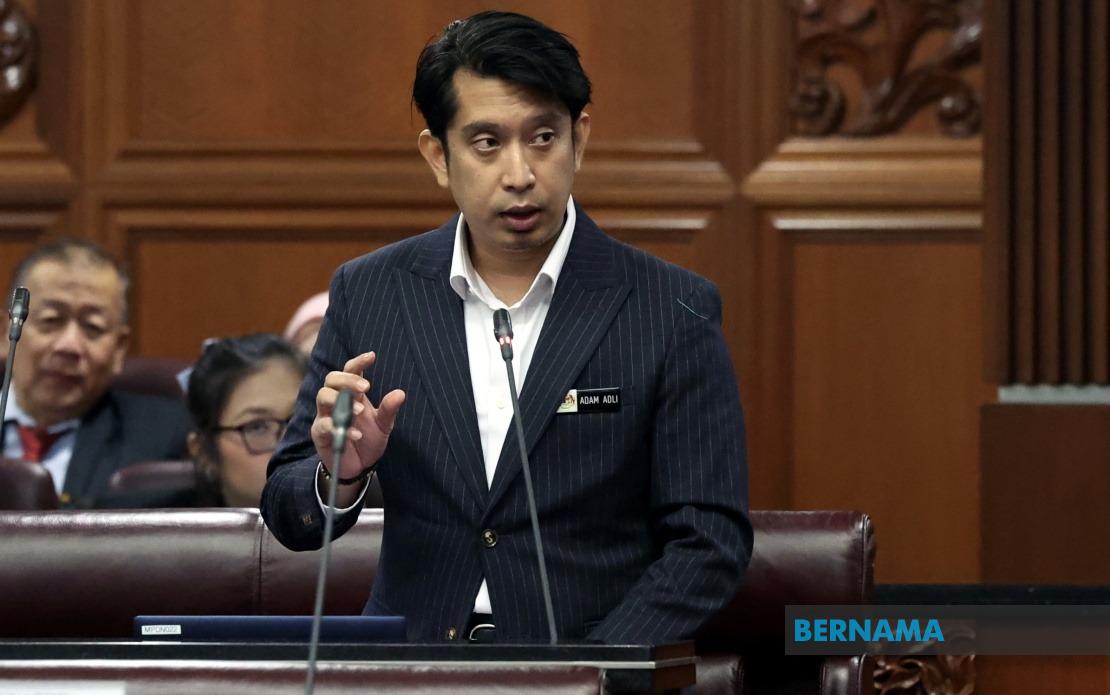
The Ministry of Higher Education is progressing with plans to establish a residential college in Betong, Sarawak, with capacity for around 700 students, marking a significant investment in expanding vocational education infrastructure across Malaysia's rural heartland. Deputy Higher Education Minister Adam Adli Abd Halim disclosed the initiative during parliamentary proceedings, signalling the government's commitment to addressing accommodation challenges that have historically limited student access to technical institutions in remote locations.
The proposed facility would serve students attending Politeknik Metro Betong Sarawak (PMBS) and Kolej Komuniti Betong, two institutions that have struggled with underenrolment relative to their physical capacity. Currently, PMBS operates well below maximum capacity, with only 291 students enrolled across its Diploma in Finance and Diploma in Tourism Management programmes against a theoretical maximum of 600 students. This gap between capacity and actual intake underscores the persistent barriers students from surrounding communities face in pursuing vocational qualifications, often rooted in geographic isolation and lack of suitable on-campus living arrangements.
The Sarawak Land and Survey Department has identified an 8.814-hectare federally owned parcel in Batu Api district as the proposed site, positioned approximately 650 metres from the PMBS campus. The strategic location offers proximity to the polytechnic while maintaining a degree of separation appropriate for a residential facility. However, realizing the project requires navigating Malaysia's complex land administration framework. The ministry must first secure approval to change the land's classification from its current designation, a process that involves coordination with the Prime Minister's Department, which holds title to the property. These bureaucratic prerequisites, while necessary, add timeline uncertainty to the initiative.
The decision to prioritize student accommodation before pursuing further institutional upgrades reflects a pragmatic policy philosophy within the higher education ministry. Adam Adli emphasized that addressing fundamental welfare and housing needs takes precedence over structural changes such as converting PMBS into a full conventional polytechnic—a separate proposal that had been advocated by the Betong Member of Parliament. This sequencing suggests the ministry views residential infrastructure as foundational to institution-building, a reasonable assessment given that rural students without nearby family support networks cannot easily attend classes or participate in campus life without guaranteed lodging.
Beyond the hostel project, PMBS is pursuing modest programme expansion to broaden its appeal and relevance to prospective students in Sarawak. Beginning in December 2025, the institution will launch a Diploma in Business Information Systems as part of the 2026/2027 academic session, adding a contemporary qualification to its existing portfolio. The selection of information systems reflects recognition that rural communities increasingly need graduates equipped with digital competency, positioning PMBS as responsive to evolving labour market demands rather than static in its offerings. This curricular development, though incremental, demonstrates commitment to the institution's growth trajectory.
The polytechnic's contribution to lifelong learning and community skills development suggests latent demand for vocational training in the Betong region. Over the preceding year, short-term courses offered under the Lifelong Learning (PSH) agenda attracted 1,137 participants across workshops covering accounting and tourism management. These figures indicate that communities value accessible skills training and that PMBS has established a reputation as a credible provider. Higher enrolment in certificate and degree programmes might follow once residential barriers are eliminated, as students currently deterred by accommodation difficulties could more feasibly commit to full-time study.
The hostel initiative carries broader significance for Malaysia's equity agenda in higher education. Sarawak, like Sabah, has historically experienced lower tertiary enrolment rates relative to peninsular regions, a disparity attributable to geographic dispersion, transportation costs, and inadequate campus infrastructure in interior locations. By investing in student housing at PMBS, the federal government signals recognition that rural educational disadvantage reflects not inherent differences in student capability but rather systemic barriers—distance, cost, and logistical complexity—that policy can address. This framing aligns with national aspirations to create more inclusive pathways to skills and qualifications across all regions.
While awaiting formal approval and construction commencement, PMBS has established a Student Residential and Accommodation Management Committee tasked with overseeing student welfare, coordinating accommodation arrangements, and ensuring safety for those currently renting private dwellings near campus. This interim measure demonstrates administrative responsiveness and commitment to immediate improvements even as longer-term infrastructure projects advance. Such oversight committees, though limited in scope, can identify specific challenges students face and inform design standards for the future hostel, ensuring the permanent facility reflects genuine student needs rather than generic specifications.
The timeline for the hostel project remains uncertain pending land-use approval processes. Adam Adli stated the ministry's intention to resolve the matter expeditiously, yet the involvement of multiple government departments typically introduces delays. Similar infrastructure projects across Malaysian tertiary institutions have historically experienced schedule slippage due to regulatory reviews, budget appropriations, and construction procurement procedures. Students and stakeholders should anticipate a multi-year development cycle before the facility becomes operational, though announcement of the proposal represents meaningful progress in recognizing Sarawak's higher education infrastructure deficits.
For Southeast Asia's broader TVET sector, Malaysia's focus on rural residential facilities offers a relevant model. Regional neighbours including Indonesia, Philippines, and Thailand similarly struggle with uneven access to vocational training, particularly in peripheral provinces. By demonstrating commitment to resolving accommodation barriers through targeted infrastructure investment, Malaysia may inspire peer nations to adopt comparable strategies. The Betong hostel, once completed, could serve as a demonstrable case study in equitable technical education delivery, potentially influencing policy discussions and funding priorities across ASEAN member states navigating comparable challenges.
The proposal also reflects evolving ministerial thinking about the prerequisites for institution-building beyond simple programme accreditation or faculty recruitment. Recognizing that student recruitment, retention, and success depend on meeting basic living needs represents a maturation of higher education policy discourse in Malaysia. Too often, new academic programmes have failed to attract enrolment not due to programme weakness but because students could not afford or arrange suitable accommodation, a correctable challenge that previous policy frameworks sometimes overlooked. The Betong initiative suggests this lesson has been internalized at the ministerial level.

