Timor-Leste President Jose Ramos-Horta has characterised the diplomatic relationship between his nation and Malaysia as exceptionally robust, delivering high praise for Malaysia's track record on security, democratic governance and civil freedoms during a visit to the region. The Nobel laureate and former journalist made the remarks while engaged in discussions with students at Taylor's University in Petaling Jaya on Monday, forming part of a five-day official visit extending through Wednesday.
Ramos-Horta's assessment reflects deeper historical continuities between the two countries spanning more than four decades. He acknowledged Malaysia's sustained commitment to Timor-Leste even before the latter achieved independence in 2002, tracing this engagement back to Malaysia's participation in the 1999 peacekeeping operations that proved instrumental in stabilising the newly liberated territory. This longstanding partnership has evolved into a relationship characterised by genuine mutual support and strategic alignment within the Southeast Asian context.
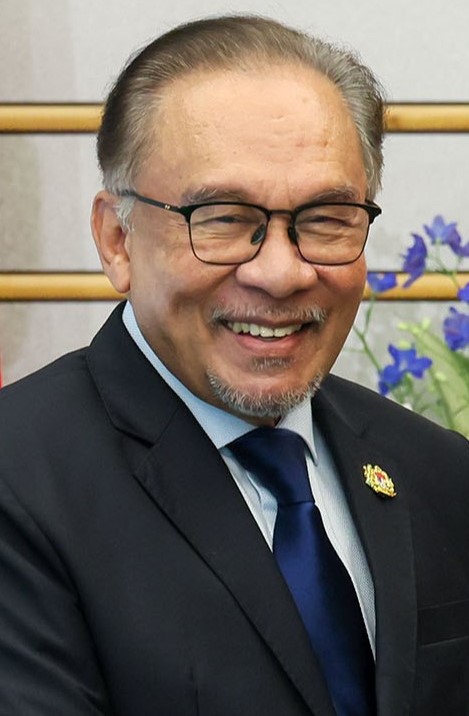
The president attributed recent momentum in bilateral ties to the diplomatic acumen of Malaysian Prime Minister Datuk Seri Anwar Ibrahim, crediting his leadership with elevating Malaysia's international standing and strengthening the nation's economic position on the global stage. Ramos-Horta's observations carry particular weight given his experience navigating complex geopolitical relationships and his role in shepherding Timor-Leste through its transition from nascent independence to full regional integration. His public endorsement of Malaysia's democratic governance and security frameworks stands as significant external validation from a respected international voice.
The Timor-Leste leader used the occasion to address Malaysian journalists ahead of the National Journalists' Day celebration scheduled for Penang this Saturday, offering congratulations to the profession while emphasising the essential role of an informed citizenry in maintaining social cohesion. His remarks underscore the critical function that robust journalism plays in plural societies, particularly in transitional democracies seeking to balance diverse interests and overcome historical divisions. In extending warm wishes to Malaysian media practitioners, Ramos-Horta implicitly acknowledged the shared challenges facing press freedom and professional standards across Southeast Asia.
A centrepiece of Ramos-Horta's engagement was a public dialogue at Taylor's University examining broader themes of global transformation and value systems in an era of accelerating change. The forum provided a platform for substantive discussion of how nations can preserve core principles while navigating unprecedented shifts in geopolitical configuration, technological disruption, and climate imperatives. Ramos-Horta's willingness to engage directly with university students reflects a commitment to intellectual exchange and demonstrates the value both nations place on dialogue beyond governmental channels.
Timor-Leste's aspiration to chair ASEAN in 2029 represents a significant milestone for the young nation, signalling its growing confidence and capacity for regional leadership despite its relatively recent attainment of full membership. Ramos-Horta projected considerable optimism regarding Timor-Leste's ability to marshal the necessary infrastructure and institutional capabilities to discharge the demanding chairmanship obligations successfully. This confidence is not merely rhetorical posturing but reflects tangible progress in developmental initiatives underway across the country.
The president specifically acknowledged Malaysia's instrumental role in facilitating Timor-Leste's accession to full ASEAN membership during Malaysia's 2024 chairmanship, an achievement that culminated in Timor-Leste formally becoming the bloc's 11th member on October 26, 2025. This represented the first expansion of ASEAN's membership in 26 years, breaking a prolonged standstill and opening the organisation to fresh perspectives and capabilities. Malaysia's advocacy and diplomatic shepherding of this process demonstrated a commitment to regional inclusivity and demonstrated how leading regional voices can advance collective interests.
Timor-Leste's integration into ASEAN carries implications extending well beyond ceremonial recognition, positioning the Southeast Asian community to deepen engagement with a nation positioned at the region's eastern frontier. Enhanced institutional links facilitate practical cooperation on maritime security, economic integration, and capacity-building initiatives that benefit the entire bloc. For Malaysia specifically, closer integration with Timor-Leste strengthens networks crucial to maintaining stability and prosperity throughout the region.
The enthusiasm Ramos-Horta expressed regarding hosting ASEAN's 2029 summit reflects broader development trajectories reshaping Timor-Leste's economic and infrastructural landscape. Accelerated investment in facilities and logistical capacity to accommodate regional gatherings represents both practical necessity and symbolic assertion of national capability. Malaysia's experience in orchestrating such complex regional events positions it as a potential source of technical guidance and institutional learning as Timor-Leste prepares for this significant responsibility.
Bilateral relations between Malaysia and Timor-Leste demonstrate the enduring value of strategic partnerships rooted in mutual respect and shared regional vision. Ramos-Horta's visit and public affirmations of tie strength serve to reinforce bonds that extend beyond transactional state interests to encompass genuine solidarity among nations committed to democracy, stability and prosperity. As both countries navigate evolving regional dynamics, particularly concerning China's increasing influence and great power competition affecting Southeast Asia, the Malaysia-Timor-Leste relationship will likely assume greater significance as a stabilising anchor within ASEAN's architecture.