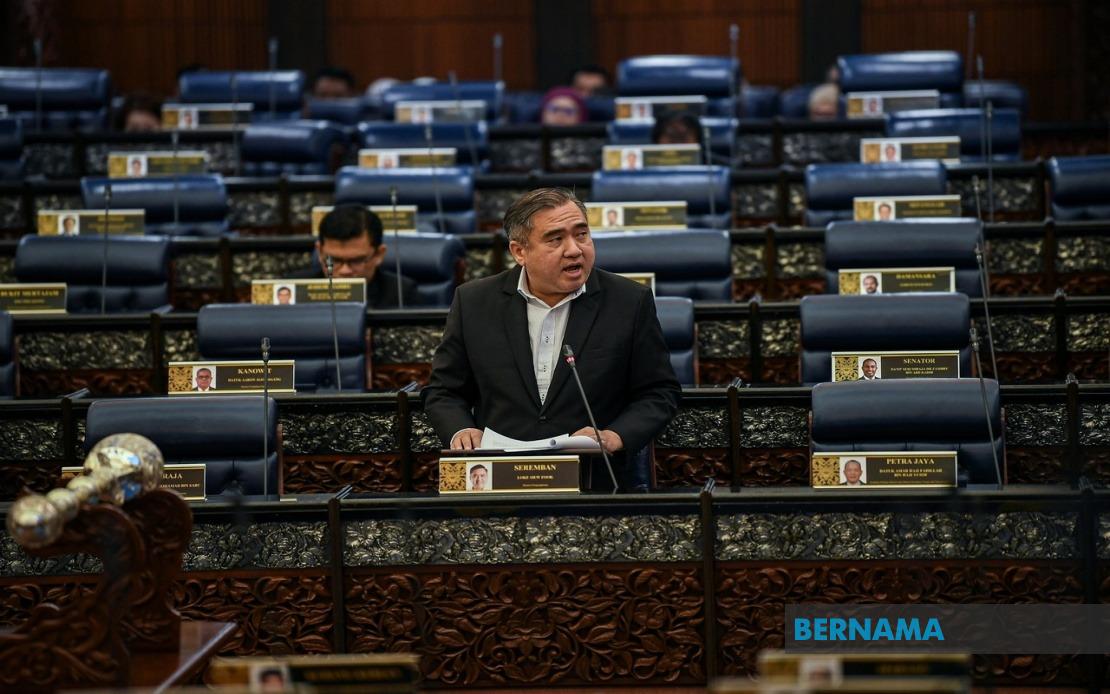
Transport Minister Anthony Loke has tabled comprehensive amendments to Malaysia's road safety framework that directly address the persistent problem of illegal street racing, which has claimed numerous lives and injured countless road users across the nation. The Road Transport (Amendment) Bill 2025, presented during the second reading in Parliament on June 23, introduces a new Section 42A that transforms racing and speed testing from a nebulous violation bundled within dangerous driving provisions into a clearly defined criminal offence under the Road Transport Act 1987.
The legislative shift represents a significant departure from existing enforcement practices. Previously, authorities struggled to prosecute illegal street racing unless an accident or injury resulted from the activity, leaving enforcement officers hamstrung when intercepting racing participants who had not yet caused tangible harm. This gap in legal coverage allowed dangerous behaviour to persist with minimal consequences, effectively permitting racers to gamble with public safety. Loke emphasised that the new framework removes this critical impediment, enabling intervention on preventative grounds before tragedy unfolds on Malaysian streets.
First-time offenders convicted under the new provision face financial penalties ranging from RM2,000 to RM10,000, prison sentences extending to two years, or both penalties imposed concurrently. The graduated penalty structure acknowledges severity variations while maintaining deterrent force. Repeat offenders face substantially harsher consequences, confronting fines between RM5,000 and RM20,000 alongside potential imprisonment reaching five years, or both sanctions applied together. This escalation strategy targets persistent violators who disregard initial warnings and convictions.
The practical implications of this legislative change extend beyond simple punishment. Consider the scenario described by Loke himself: multiple motorcyclists engaging in speed competitions against one another on public roads. Under the previous framework, officers could only intervene if such activity created demonstrable danger through accidents or near-misses. Now, the mere act of racing constitutes a prosecutable offence, regardless of outcome. Similarly, motorists who utilise public roads to conduct unofficial vehicle speed trials face legal jeopardy without requiring an accident as triggering justification. This preventative capacity addresses a longstanding weakness in Malaysian road law that observers have criticised for years.
Beyond the racing provisions, the amendment introduces Section 110B, which creates additional offences aimed at protecting enforcement operations themselves. Individuals who obstruct, interfere with, assault, threaten, or pursue enforcement officers' vehicles now face severe penalties. The provision extends further to criminalise sharing information about enforcement operations in ways that assist offenders to evade detection. Violators confront fines ranging from RM10,000 to RM50,000, imprisonment from one to five years, or both, with the offence classified as arrestable. This protection mechanism recognises that enforcement personnel frequently encounter hostile elements during operations and require statutory safeguards.
The amendment specifically targets obstruction patterns that have undermined road enforcement throughout Southeast Asia. When offenders or their associates alert other violators about pending enforcement sweeps, they systematically undermine compliance efforts. By criminalising this intelligence-sharing conduct, the law removes a critical vulnerability in enforcement networks. The provision acknowledges that modern illicit street racing culture operates through coordinated communication systems, and disrupting these networks amplifies deterrent effects.
The Bill also addresses monetary penalties more broadly, revising minimum fines and penalty structures for selected violations. The base compound limit increases from RM300 to RM500, though Loke clarified that enforcement officers retain discretionary authority rather than automatic application of maximum amounts. The actual compound imposed reflects contextual factors including offence nature, severity, settlement timeline, and procedural requirements. This flexibility prevents mechanical administration while maintaining leverage for compliance.
Importantly, the enhanced compound rates carry a delayed implementation timeline, with the new maximum thresholds scheduled to take effect on January 1, 2029. This phased approach provides stakeholders and enforcement agencies adequate transition periods to adjust administrative systems, budget allocations, and operational procedures. The extended timeline also permits assessment of legislative effectiveness on street racing reduction before expanding penalty frameworks.
For Malaysian motorists and road users, these amendments signal escalating government commitment to addressing street racing, which has created genuine public safety anxieties in urban and suburban areas. Illegal racing activities concentrate in specific locations—highways entering major cities, certain commercial districts, and designated racing-culture hubs—where regular commuters face unpredictable danger from competitors indifferent to surrounding traffic. The legislative shift transfers responsibility from reactive incident response to proactive suppression.
The amendments also carry regional significance. Street racing problems plague multiple Southeast Asian nations, and Malaysia's experience developing targeted legislative responses could inform policy discussions elsewhere. Jurisdictions struggling with similar enforcement gaps might examine how standalone offence creation simplifies prosecutorial burden and enables earlier intervention. As regional road safety improves, legislative innovation in one nation frequently influences neighbouring countries' approaches.
Enforcement agencies must now develop training protocols reflecting the new offence framework, ensuring officers understand charging procedures, evidentiary requirements, and penalty guidelines. Prosecutors require guidance distinguishing between racing conduct and permissible high-speed driving on authorised racing circuits or during sanctioned competitions. These operational adaptations require coordination between the Ministry of Transport, the Royal Malaysia Police, and the Public Prosecutor's chambers.
The broader legislative context reflects international road safety trends. Nations worldwide increasingly recognise that street racing prevention requires specific, carefully crafted prohibitions rather than general dangerous driving statutes. The isolated nature of street racing—occurring outside organised circuits, involving typically young participants, often concentrated geographically—justifies tailored statutory treatment. Malaysia's approach aligns with contemporary road safety scholarship emphasising targeted interventions for specific hazard categories.
Public education campaigns will likely accompany legislative implementation. Young drivers, the predominant street racing demographic, require messaging emphasising both legal consequences and safety realities. Such campaigns succeed when combining penalty awareness with genuine acknowledgement of driving culture motivations, offering authorised outlets including organised racing events and driving experiences at sanctioned facilities.