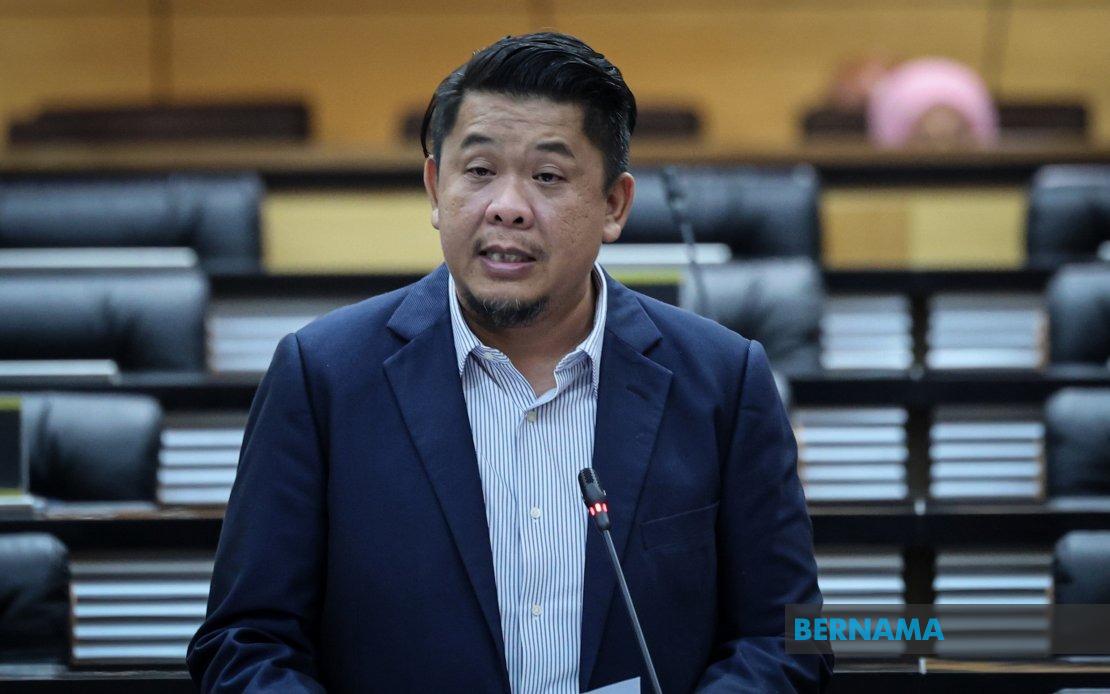
Malaysia has formally declared its candidacy for a non-permanent seat on the UN Security Council for the 2036–2037 term, signalling its intention to take a more assertive role in global governance and multilateral diplomacy. The decision, communicated through Deputy Foreign Minister Datuk Lukanisman Awang Sauni during parliamentary proceedings on July 13, represents Malaysia's commitment to contribute meaningfully to international peace and security matters during a period of unprecedented global tensions.
The submission of Malaysia's candidacy arrives at a pivotal moment in discussions surrounding the modernisation of the UN system, which many developing and middle-power nations argue has become outdated in its current structure. Speaking in the Dewan Rakyat, Lukanisman outlined that Malaysia's campaign will rest on two foundational pillars: comprehensive reform of the UNSC and advancement of global peace initiatives. These priorities underscore Malaysia's perspective that the council's institutional framework requires fundamental revision to reflect contemporary geopolitical realities and address structural inequities that have persisted since the organisation's founding in 1945.
Central to Malaysia's platform is an unequivocal stance on veto power, which currently grants five permanent members—the United States, Russia, China, France, and the United Kingdom—the ability to block any substantive resolution. Malaysian officials have characterised this mechanism as fundamentally unjust, enabling powerful nations to shield themselves or their allies from accountability regardless of their actions. This position resonates strongly with many smaller nations and regional powers that view the veto as an instrument of unilateral power that perpetually undermines the council's legitimacy and effectiveness.
More provocatively, Malaysia has articulated a conditional position on veto restrictions that carries significant moral weight in the current global environment. The nation proposes that while complete abolition remains the ideal objective, the veto should minimally be prohibited in situations involving grave international crimes. This framework specifically targets scenarios involving war crimes, genocide, crimes against humanity, and the deliberate destruction of civilian infrastructure. The explicit reference to Gaza signals Malaysia's determination to weaponise its UNSC candidacy as a platform for advocating Palestinian interests and challenging what it perceives as double standards in international justice and humanitarian law.
Foreign Minister Datuk Seri Mohamad Hasan is scheduled to reaffirm these positions during Malaysia's National Statement at the 81st UN General Assembly Debate in September, transforming the upcoming General Assembly session into a high-profile opportunity to articulate Malaysia's vision for UN reform to the international community. This timing is strategically significant, as the General Assembly provides a global forum where Malaysia can establish its credentials as a champion of multilateral reform and a voice for developing nations seeking greater equity in international affairs.
For Malaysia specifically, securing a non-permanent UNSC seat would elevate its diplomatic influence substantially and provide a platform to champion Southeast Asian interests on matters ranging from maritime security to great-power competition in the region. The council seat would enable Malaysia to participate directly in deliberations on conflicts affecting neighbours and trading partners, offering opportunities to shape international responses to crises that have regional ramifications. Moreover, it would strengthen Malaysia's standing within the Non-Aligned Movement and provide leverage in advocating for reformed international institutions that reflect the interests of middle powers and developing economies.
The broader context of Malaysia's candidacy reflects shifting dynamics within the UN system, where traditional power structures face mounting criticism from nations that believe the council's composition no longer reflects global demographics or economic realities. Many of these reform advocates argue that veto powers should be either eliminated entirely or substantially constrained, particularly in humanitarian catastrophes where the council's paralysis has enabled atrocities to continue unimpeded. Malaysia's emphasis on these concerns positions it within a coalition of reform-minded states seeking to democratise decision-making within the world body.
Historically, Malaysia served on the UNSC previously, bringing relevant experience to discussions of council operations and reform possibilities. The nation's diplomatic tradition emphasises consensus-building and accommodation of diverse perspectives, qualities that could prove valuable in navigating the contentious terrain of institutional reform. Additionally, Malaysia's role as a Southeast Asian representative would lend geographical diversity to the council, ensuring that regional perspectives from one of the world's most dynamic and strategically important areas receive direct articulation in council proceedings.
The 2036–2037 timeline provides Malaysia with approximately thirteen years to build support for its candidacy through bilateral diplomacy and coalition-building among like-minded states. This extended period allows Malaysian diplomats to cultivate relationships with other council members and permanent representatives while gradually building momentum for its bid. Competition for non-permanent seats remains intense, requiring sustained diplomatic effort and strategic positioning within regional and global forums.
Malaysia's candidacy also reflects broader trends among Southeast Asian nations to increase their engagement with global governance structures and challenge the dominance of established powers in decision-making processes. As regional economies expand and geopolitical significance increases, countries throughout Asia seek greater voice in determining international responses to conflicts, trade disputes, and transnational challenges. Malaysia's push for UNSC reform, particularly regarding veto powers, aligns with these aspirations and appeals to nations frustrated by institutional arrangements that privilege a handful of established powers over the broader international community.

