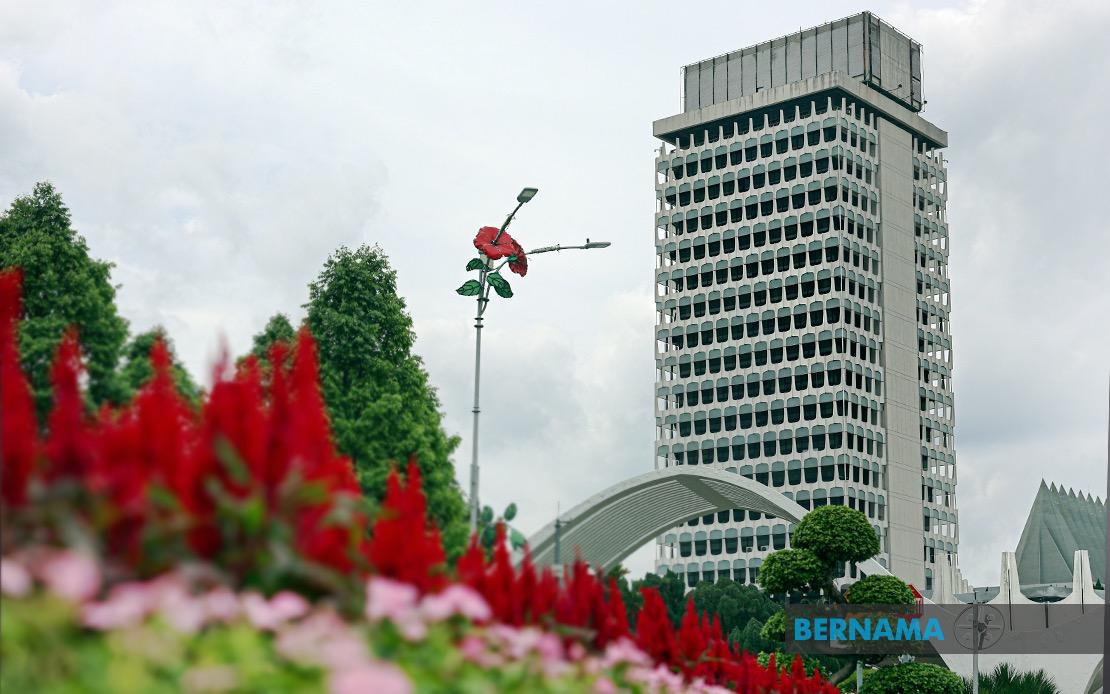
Parliament reconvenes today with lawmakers prepared to scrutinise two matters of significant consequence for Malaysia's economic trajectory and regional security posture: the emerging Malaysia-Thailand Border Economic Zone and the ongoing geopolitical tensions in the Strait of Hormuz. The dual focus reflects growing parliamentary concern over how Malaysia positions itself within regional frameworks while managing exposure to volatile international shipping corridors.
Datuk Adnan Abu Hassan, representing Kuala Pilah under the Barisan Nasional banner, will direct questions toward the Prime Minister regarding the anticipated economic dividends flowing from the Malaysia-Thailand BEZ development initiative. His inquiry signals backbench interest in understanding how the bilateral undertaking translates into tangible prosperity for the nation, moving beyond broad diplomatic rhetoric into concrete financial projections and timelines. The questioning reflects a pattern of legislators demanding specificity from the executive on major cross-border projects that require sustained public investment and policy coordination.
Equally pressing is Adnan's secondary line of questioning concerning the distribution mechanisms that will channel BEZ benefits toward small and medium enterprises and communities situated along the frontier regions. This dimension carries particular resonance for Malaysia, given persistent anxieties about resource concentration in major urban centres and the relative marginalisation of peripheral economies. Border communities in Kedah, Perlis, and northern Perak stand to gain materially from enhanced cross-border commerce, yet the enabling infrastructure and regulatory frameworks remain underdeveloped. Parliamentary scrutiny at this juncture may prove instrumental in ensuring that planning committees account for grassroots entrepreneurship and local stakeholder participation, rather than privileging large corporations with superior negotiating capacity.
Datuk Rosol Wahid, representing Hulu Terengganu under the Perikatan Nasional coalition, has tabled a separate query directed at the Prime Minister concerning government assessments of the Strait of Hormuz's extended instability. This waterway channels approximately one-third of global maritime petroleum commerce, rendering any disruption to transit routes consequential for Malaysian import-dependent sectors and export competitiveness. The crisis—encompassing Iranian naval activities, regional proxy tensions, and occasional vessel seizures—presents a compound challenge: elevated shipping insurance premiums, unpredictable fuel price volatility, and potential supply-chain fractures for manufacturing exporters reliant on just-in-time logistics.
Wahid's inquiry extends beyond theoretical economic modelling to encompass political ramifications, signalling parliamentary awareness that protracted instability in strategically vital sea lanes generates cascading consequences across multiple domains. Malaysia's substantial petrochemical, semiconductor, and automotive sectors exhibit vulnerability to energy cost shocks and maritime transit delays. The questioning implicitly asks the government to articulate contingency frameworks and diplomatic postures that might insulate the economy from worst-case scenarios, should tensions escalate further. Such parliamentary engagement compels ministers to move beyond reactive commentary toward proactive risk mitigation strategies.
Transport matters also feature prominently on today's agenda. Datuk Yusuf Abd Wahab, the GPS representative for Tanjong Manis, will question the Transport Minister regarding systematic interventions to eliminate illegal highway racing following a significant incident in Simpang Renggam, Johor, last month. This inquiry underscores persistent road safety challenges in Malaysia, where underground racing communities continue organising high-speed contests on public thoroughfares despite regulatory prohibitions and enforcement campaigns. The parliamentary focus suggests growing frustration with enforcement efficacy and legislative adequacy, potentially opening pathways for discussing enhanced penalties, vehicle impoundment protocols, and community-based deterrence initiatives.
Following the question-and-answer segment, which commences at 10 am, parliament will proceed with preliminary readings of two significant legislative instruments. The Statistics Bill 2026, introduced by the Economy Minister, will establish modernised frameworks for national data collection and management in an era of expanding digital integration and privacy consciousness. Simultaneously, the National Trust Fund Bill 2026, piloted by the Finance Minister, addresses institutional mechanisms for managing sovereign wealth and ensuring fiscal sustainability across economic cycles. Both measures reflect broader efforts to strengthen governance infrastructure underlying economic policy formulation.
Central to today's legislative agenda is the tabling of a constitutional amendment report addressing the historic separation of attorney general and public prosecutor roles—a structural reform with profound implications for judicial independence and prosecutorial autonomy. Datuk Seri Azalina Othman Said, Minister in the Prime Minister's Department overseeing Law and Institutional Reform, will present findings from the Parliamentary Special Select Committee after seven intensive deliberation sessions. The committee's refinements to the original amendment proposal emphasise enhanced independence for the prosecutor's institution, strengthened integrity mechanisms, and reinforced accountability frameworks.
This constitutional recalibration responds to longstanding concerns within Malaysia's legal community and civil society regarding the concentration of prosecutorial discretion within a single office. By architecturally separating these functions, the amendment seeks to insulate prosecutorial decisions from executive pressure while establishing clearer institutional boundaries. The initiative aligns with international best practices observed in Commonwealth jurisdictions and represents a culmination of recommendations from multiple law reform bodies over preceding years. Successful implementation could materially enhance public confidence in the impartiality of criminal proceedings and reduce perceptions of political instrumentalisation of prosecution.
The current parliamentary session, extending across 16 sitting days from late June through mid-July, provides an extended platform for deliberation on matters spanning bilateral economic cooperation, maritime security, domestic infrastructure legislation, and constitutional governance. The concentration of substantive questions and legislative business reflects parliamentary determination to maintain engagement with evolving governance challenges facing the nation. Today's proceedings will demonstrate whether the legislature can effectively extract commitments from the executive and shape policy trajectories through rigorous questioning and legislative oversight.

